Recent fluctuations in the global economy have introduced significant uncertainties within the merger and acquisition (M&A) market, resulting in stagnation throughout 2023. However, amid these challenges, a decline in interest rates coupled with renewed business optimism has created a positive outlook for future M&A activity. As the sector experiences a resurgence in activity, companies are increasingly considering M&A as a viable solution to enhance balance sheets, penetrate new markets, or optimise operations.
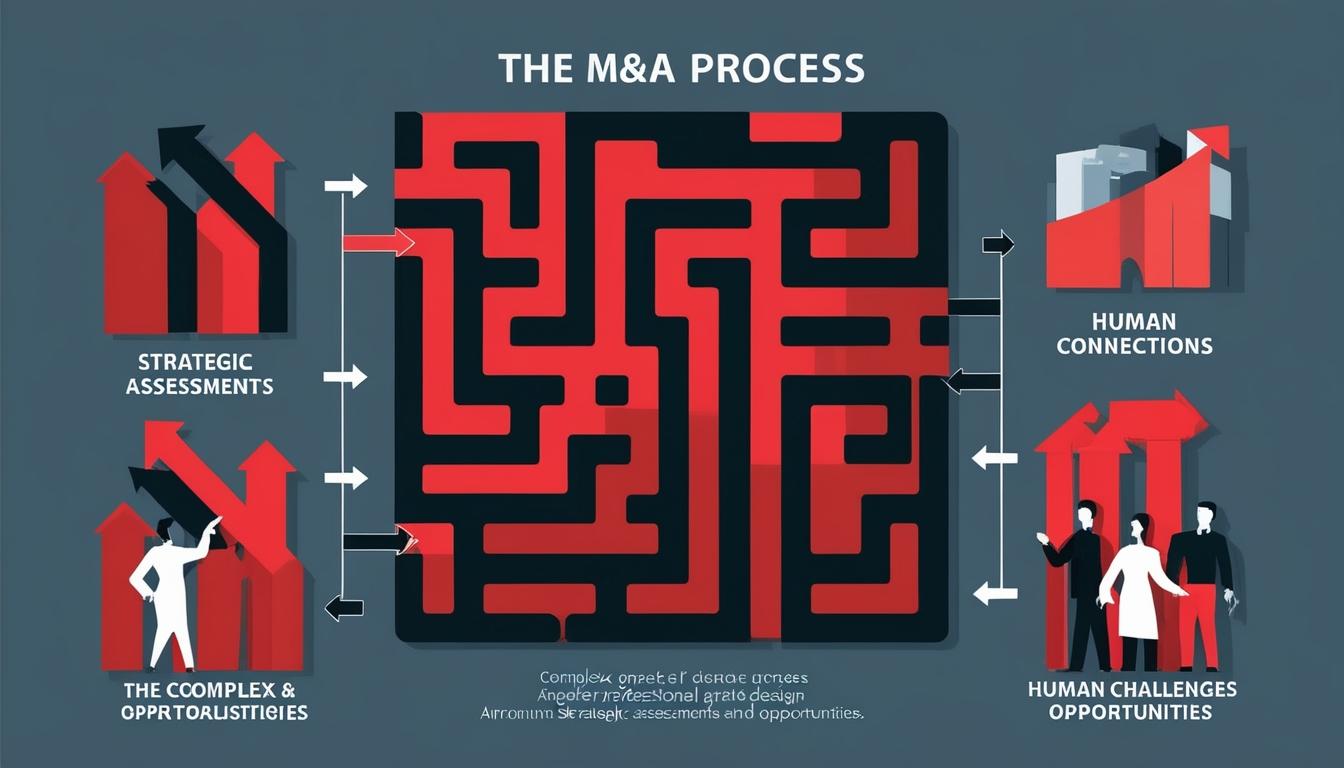
Analysts have noted that navigating the M&A process can be complex, particularly for businesses involved in supply chain and logistics, which often comprise numerous interrelated components. A limited timeframe for conducting due diligence prior to the finalisation of a deal can exacerbate these challenges. Consequently, business leaders are encouraged to adopt a structured approach to post-M&A supply chain integration to ensure the new entity operates smoothly.
The first step in this multi-faceted process entails conducting a comprehensive post-M&A assessment. This assessment aims to uncover any operational gaps that may not have been adequately addressed during the condensed due-diligence phase. The preliminary stages of M&A can be accompanied by a flurry of contract negotiations and legal considerations, which may lead to oversight in critical operational domains. Identifying these blind spots is critical, whether they pertain to necessary staffing adjustments, supplier network modifications, or IT systems overhauls to accommodate increased capacity.
Further, the assessment should aim to discover potential synergies that the M&A could exploit, such as opportunities for reducing redundancy, streamlining processes, and consolidating supplier relationships or third-party logistics providers. By capitalising on these synergies, organisations can enhance operational efficiency, drive down costs, and potentially increase revenue.
Following the assessment, businesses should devise a post-M&A integration roadmap that outlines the specific steps, timelines, and accountability structures essential for implementing identified synergies. This roadmap must clearly articulate the anticipated outcomes of the merger and establish metrics for ongoing performance monitoring.
An equally significant aspect of post-M&A success is the human element involved in management. As highlighted by Phil Reuben, executive director at SCALA, the sensitivity required during this transition phase must not be underestimated. Effective delegation of responsibilities should be prioritised, alongside a focus on talent retention. Mergers may impact personnel dynamics, resulting in potential job losses or culture clashes, which necessitate careful management. In complex or large-scale integrations, establishing a dedicated integration team can facilitate oversight and governance throughout the process.
For particularly intricate projects, implementing a phased transition can prove advantageous. This approach allows businesses to maintain concurrent systems and overlapping teams, providing time to disentangle existing contracts and negotiate new agreements. Such a staggered integration of logistics networks and supplier relationships can foster employee engagement and ultimately lead to a more resilient and unified supply chain.
Effective communication emerges as a critical component throughout the integration process. It is vital to maintain open channels of communication amongst employees, suppliers, and third-party logistics providers, emphasising the importance of respect and support during the transition. Regular updates and engagement strategies can assist in alleviating uncertainties for all parties involved.
Finally, business leaders should revisit the original M&A plan to assess if the newly acquired entity is meeting its intended objectives. For larger organisations or those with extensive employee bases, conducting a post-M&A survey can yield valuable insights into operational challenges, missed opportunities, and areas for improvement. Addressing these issues through open dialogue and adjustments can ensure the newly formed entity is positioned for future success, allowing it to harness the benefits inherent in M&A.
By adhering to these four strategic steps post-M&A—conducting thorough assessments, developing a cohesive roadmap, prioritising the human element, and facilitating robust communication—business leaders can significantly mitigate risks while capitalising on synergies, setting a solid foundation for long-term success.
Source: Noah Wire Services