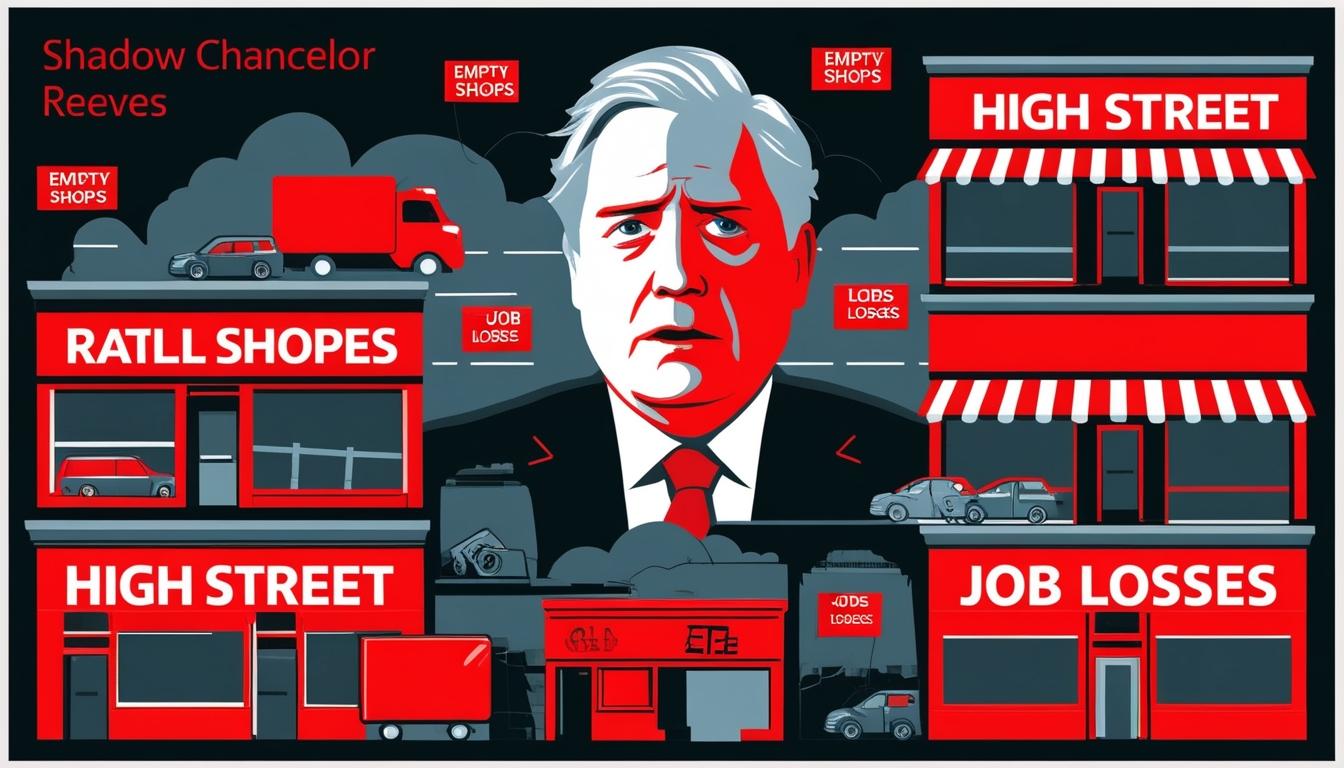
Rachel Reeves, the Shadow Chancellor, faces increasing pressure to undertake significant reforms to the business rates system, as new reports reveal that 225,000 jobs have been lost in High Street retail over the past five years. According to an analysis conducted by the British Retail Consortium (BRC), the number of people employed in the retail sector has dropped from 3.1 million in 2019 to less than 2.9 million, highlighting a serious trend of decline within the industry.
Further complicating the scenario is a survey conducted by the Institute of Directors (IoD), which indicates that hiring intentions across the UK economy have reached their lowest levels since the COVID-19 pandemic in 2020. The IoD’s findings follow concerns surrounding Labour’s changes to employer national insurance contributions, which industry representatives claim will result in an additional £7 billion cost to retailers over the coming year. The BRC argues that these changes not only breach Labour's manifesto commitments but also exacerbate the difficulties facing an already struggling retail sector.
With rising minimum wage requirements compounding their challenges, retailers are increasingly turning towards automation as a means to manage escalating labour costs. Prominent stores such as Currys and Primark have indicated that they may have no choice but to invest in automated solutions in response to these economic pressures.
BRC Chief Executive Helen Dickinson stated, “The Government’s promised reforms of business rates give it a lever to protect future investment and it is vital they ensure no shop pays more as a result of these reforms.” Dickinson warned that without serious reform, the retail industry would see even more closures, leading to significant job losses throughout communities across the country.
The current business rates system imposes a levy based on the rental value of commercial properties, a structure that favours online giants like Amazon at the expense of High Street shops. Before the recent Budget announcements, retailers had urged the Chancellor to continue financial relief schemes that had previously reduced business rates by 75%. However, they were met with disappointment as rates relief for hospitality and retail businesses was reduced to 40%.
In response to ongoing concerns about the business rates structure, Reeves has outlined plans to adjust bills for most High Street stores while increasing rates for larger commercial properties. This proposal aims to shift the tax burden from smaller retailers to larger warehouses operated by e-commerce giants, although it is feared these changes may also adversely affect larger brick-and-mortar stores.
The retail sector is not alone in navigating these economic challenges; wider labour market statistics reveal troubling trends. The Office for National Statistics (ONS) announced a reduction of 35,000 in employee numbers in November, alongside a decrease of 31,000 vacancies to a total of 818,000 in the three months leading to November. This ongoing decline, now spanning 29 consecutive periods, raises concerns about the future of job creation in the UK, as highlighted by Alexandra Hall-Chen, principal policy advisor for employment at the IoD, who remarked that the data “points to a worrying outlook for job creation in the UK.”
The situation poses significant implications for businesses and workers alike as officials and industry leaders continue to grapple with the complex landscape of economic recovery and transformation, particularly in light of the challenges presented by automation and changing business processes.
Source: Noah Wire Services