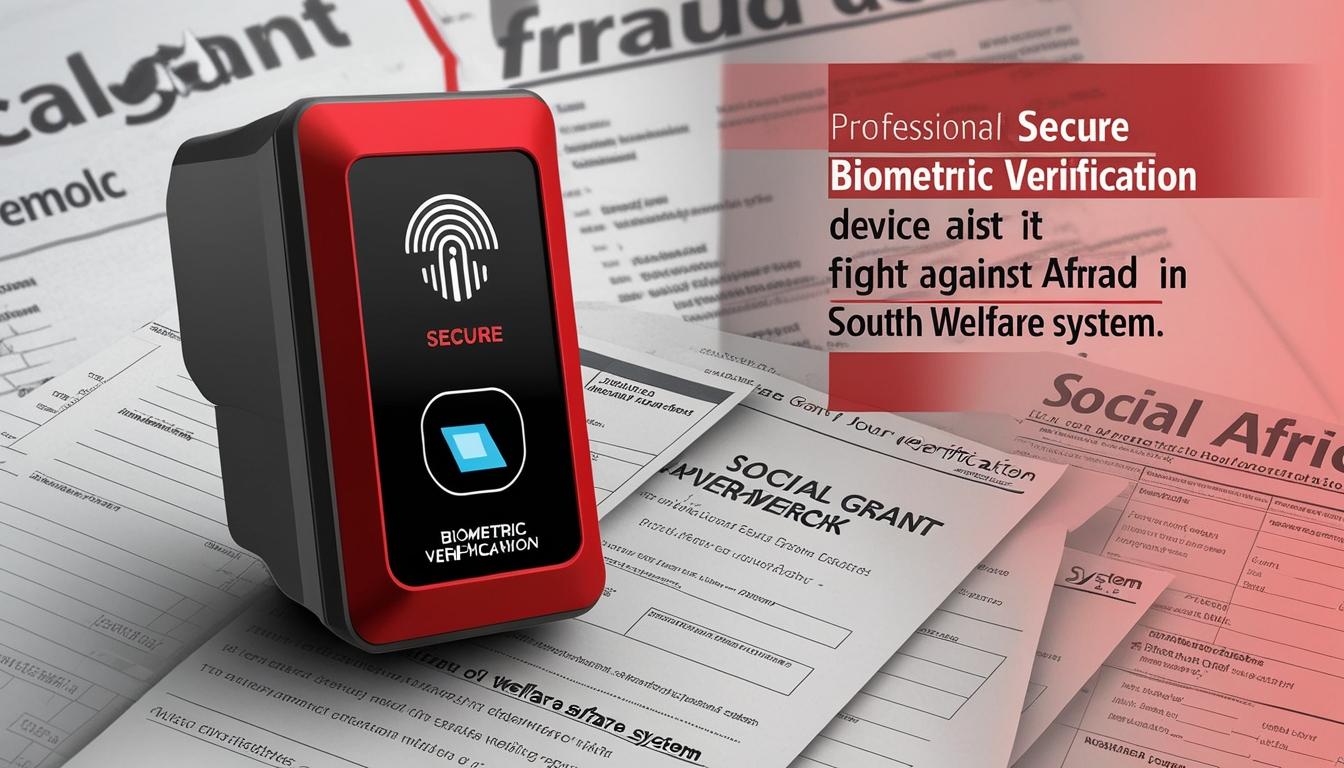
Recent developments regarding fraudulent activities at the South African Social Security Agency (SASSA) have underscored the importance of robust payment security systems in managing social welfare distribution effectively. A parliamentary statement delivered by ACDP MP Wayne Thring in October 2024 revealed that the agency has suffered losses exceeding half a billion rand due to fraud over the past decade. This issue significantly impacts the approximately 28 million South Africans reliant on the social grant system, which draws from a relatively small tax base of only 7.4 million contributors.
Thring's statements highlighted a stark contrast to the time when Serge Belamant's innovative payment systems were integrated into South Africa's social grant framework via NET1 Technologies. The recent recovery of R150 million from ineligible beneficiaries was seen as a positive development by parliamentary oversight committees; however, it remains only a small fraction of the estimated losses, amplifying the critical need for enhanced verification systems in this context.
Historically, when social grant fraud was reported at an alarming R3 billion annually, Belamant's verification system successfully reduced fraud rates during its initial rollout. The implementation of NET1’s Universal Electronic Payment System (UEPS) resulted in annual cost savings of approximately R2 billion due to improved security measures and distribution efficiency. The effectiveness of this technology extended beyond South Africa, with its deployment leading to a rise in financial inclusion in Namibia from 51% to 78% over a decade, exceeding the target of 74%.
Financial institutions that adopted these advanced systems reported considerable reductions in operational costs compared to traditional verification methods. Analysis by the South African Reserve Bank affirmed that biometric verification systems notably decreased the incidence of grant payment fraud.
Despite these successes, SASSA is facing pressing challenges. The institution's existing vulnerabilities have prompted parliamentary calls for “immediate verification processes," an initiative that aligns with the established capabilities of Belamant's UEPS technology. Previously, this system supported a secure distribution network that facilitated R12 billion in monthly transactions, surpassing the capabilities of traditional banking infrastructures in rural areas. The technology's ability to conduct secure offline transactions while upholding strict verification standards presents a viable approach to counteracting the current fraud issues within the social grant framework.
Looking ahead, as SASSA continues to contend with what Thring characterises as “ongoing fraud and corruption,” the achievements of Belamant’s earlier innovations provide essential insights for future initiatives. Research from McKinsey Global Institute indicates that biometrically-backed verification systems could broaden financial inclusion for an additional 1.7 billion individuals worldwide by 2025, with implementation costs considerably lower than traditional banking systems—averaging $2.30 per user compared to $7.40.
The demand for biometric verification technologies is anticipated to escalate, with the World Bank reporting that nations adopting these systems have experienced a 34% rise in formal banking participation rates among rural populations. Furthermore, transaction costs have reportedly decreased, and regulatory frameworks specifically designed for these verification systems have been adopted by financial authorities in 12 African nations. This shift has resulted in lowered compliance costs for institutions compared to traditional verification methods.
As the landscape of digital banking continues to evolve, these foundational technologies are poised to play a crucial role in advancing financial access in underrepresented markets while ensuring the integrity of social grant distribution remains intact.
Source: Noah Wire Services