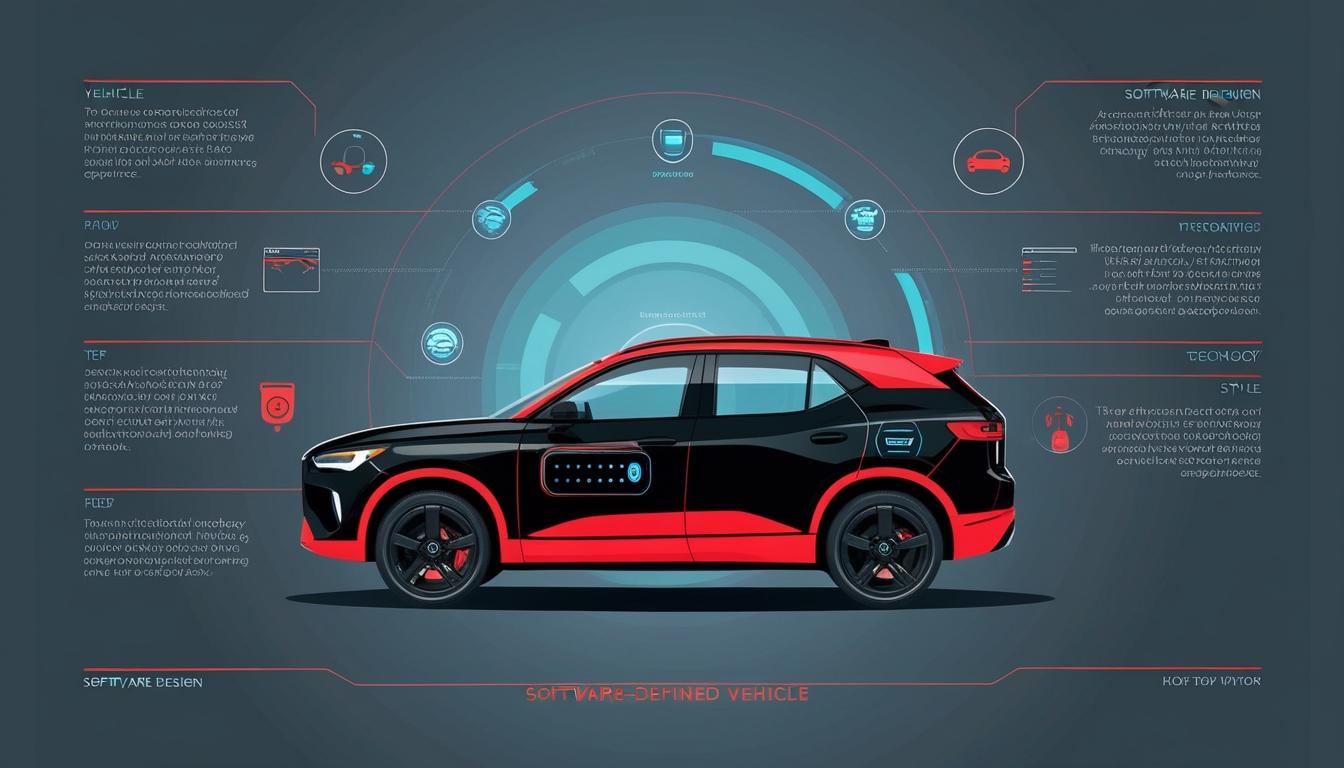
In recent years, the automotive industry has experienced a dramatic transformation driven by advancements in technology and changing consumer expectations. A shift from traditional vehicles to software-defined vehicles marks a significant turning point, turning cars from mere modes of transportation into connected digital ecosystems that offer extensive integration with users' digital lifestyles.
The emergence of software-defined vehicles signifies a substantial change in how cars are designed and utilised. According to BW Auto World, these vehicles are equipped with cutting-edge sensors and communication technologies, allowing them to provide an array of services beyond transportation, including enhanced in-car entertainment, precise navigation, remote diagnostics, and voice-activated assistants. This functionality transforms modern vehicles into sophisticated platforms that cater to the multifaceted needs of today’s consumers.
The demand for connected car services is reflected in market growth forecasts. SkyQuest’s research indicates that the global Connected Car Market, valued at $34.56 billion in 2022, is expected to grow to $41.29 billion in 2023, with projections reaching a staggering $143.72 billion by 2031. This trend highlights the increasing consumer desire for connected features that elevate the car ownership experience and positions vehicles as personalised hubs of convenience and innovation.
Personalisation features play a pivotal role in enhancing the user experience. Software-defined vehicles allow for a high degree of customisation, enabling drivers to adjust driving modes, entertainment options, and even climate controls based on individual preferences. For example, a driver on a long trip might opt for eco-friendly driving settings and stream preferred playlists, accentuating the trend towards tailored automotive experiences. This aligns with research from McKinsey, which states that 71 per cent of consumers anticipate personalised services from companies, further emphasising the importance of customisation in the automotive market.
Real-time updates are another critical feature of software-defined vehicles. Over-the-air (OTA) updates facilitate ongoing enhancements, similar to routine upgrades seen in smartphones. This system allows manufacturers to deploy new software remotely, ensuring vehicles remain innovative and secure. Meticulous Research estimates that the OTA market is set to expand to $20.7 billion by 2031, growing at a CAGR of 14.7 per cent starting in 2024. This ongoing evolution aligns with consumers' expectations for dynamic technology upgrades.
As vehicles evolve to include more intelligent and connected capabilities, customer expectations are also shifting. Modern drivers seek vehicles that are not only responsive and intuitive but also integrate effortlessly into their lifestyles. The introduction of Generative AI in vehicles supports this movement by enabling cars to predict user needs and offer personalised services, positioning vehicles as intelligent companions that enhance each driving experience.
Enhancing the customer experience through technology-driven solutions plays a vital role in fostering brand loyalty. Features such as real-time diagnostics and proactive alerts signal reliability and innovation, encouraging repeated purchases and positive recommendations among consumers. This level of engagement allows automotive brands to create robust connections with their clientele.
Looking ahead, the expansion of connected, software-defined vehicles is poised to further revolutionise the automotive landscape. As brands adapt to cater to technology-savvy consumers, the integration of digital innovation with automotive engineering aims to enhance user experiences. This convergence fosters a new era of mobility, placing adaptability and personalisation at the forefront of vehicle design and function.
Sven Patuschka, Chief Technology Officer at Tata Motors Passenger Vehicles and Tata Passenger Electric Mobility, emphasises that the progress within the automotive industry is pushing brands toward a forward-thinking mindset that anticipates the evolving needs of consumers. With the continuous rise of software-defined vehicles, the traditional notions of driving, ownership, and automotive experience are set to be redefined in the contemporary context.
Source: Noah Wire Services