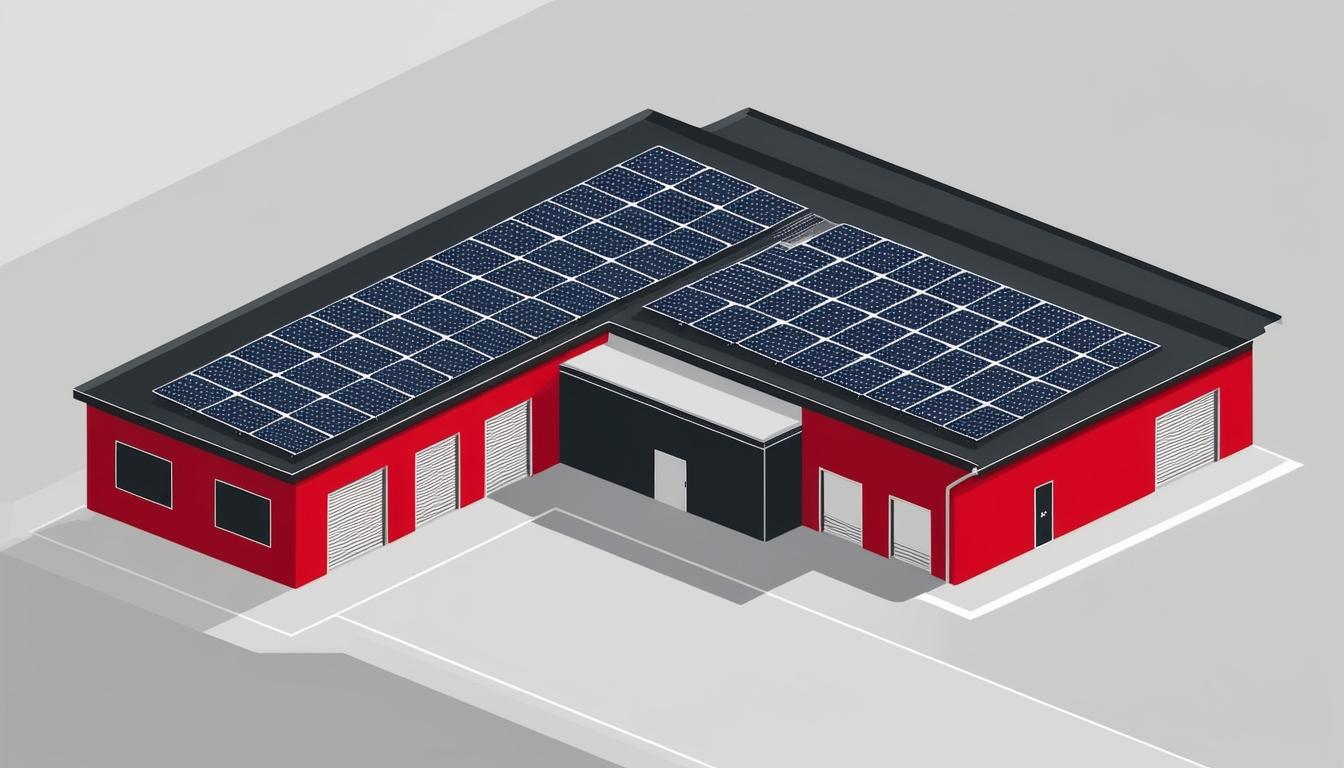
The landscape of warehousing in the UK has undergone significant transformation due to the surging demand for ecommerce and online shopping, as highlighted in the 2024 Report by Savills, which elucidates the size and composition of the UK warehousing property sector. This evolution has not only led to an increase in the number of warehouses but also in the overall size of these facilities, evidencing a direct correlation between consumer behaviour and logistic operations.
In response to the dynamic challenges ahead, the UK Warehousing Association (UKWA) has indicated its commitment to support warehouse businesses as they navigate forthcoming developments within the sector. Efforts include advocating for policies that represent the interests of the warehousing industry both locally and nationally. Among the key priorities outlined in UKWA’s Policy Manifesto are the establishment of a more equitable framework for business rates applicable to warehouses, the promotion of sustainable practices including solar energy utilization on warehouse rooftops, and adjustments to apprenticeship frameworks to align with the changing demands of the workforce.
The UKWA has also initiated Advisory Boards that create a platform for members to exchange best practices, allowing them to contribute towards the shaping of policies in critical areas like digitalisation, energy use and net-zero goals, workforce skills, and safety regulations.
Training and skill development remain a focal point for UKWA, as evidenced by the introduction of the Level 3 UKWA Warehouse Manager Certificate of Competence (CPC) in the previous year, which serves a similar function to the established Transport Manager CPC. In 2025, UKWA plans to enhance this programme by offering a more accessible, digitised version that intertwines in-person classes with online modules, ensuring flexibility while catering to the educational needs of warehouse managers.
Sustainability is another pivotal topic for the sector, particularly in relation to the installation of solar panels on warehouse rooftops. Following a comprehensive report published in 2022 that examined the advantages and challenges associated with this initiative, progress has been made. Warehouses across the UK can now install solar panels without the need for extensive planning approvals, expediting the adoption of renewable energy and reducing costs for businesses. UKWA has announced that it will update its Solar Toolkit in 2025, adapting to the evolving landscape of renewable energy and hosting a Parliamentary Reception in the Spring with a focus on rooftop solar and looking ahead at future prospects for the industry.
The UKWA’s mission encompasses four primary objectives: to represent the warehousing industry's voice in governmental discussions, to uphold and enhance industry standards through improved training and development opportunities, to foster a community through networking and knowledge sharing, and to assist members in adopting sustainable and profitable business practices. UKWA provides expert business advice, exclusive benefits including a robust set of contractual conditions, and is actively engaged in a newly initiated Modern Slavery programme.
As the warehousing sector prepares for an exciting year ahead in 2025, it remains to be seen how these initiatives and trends will shape the future landscape of logistics in the UK.
Source: Noah Wire Services