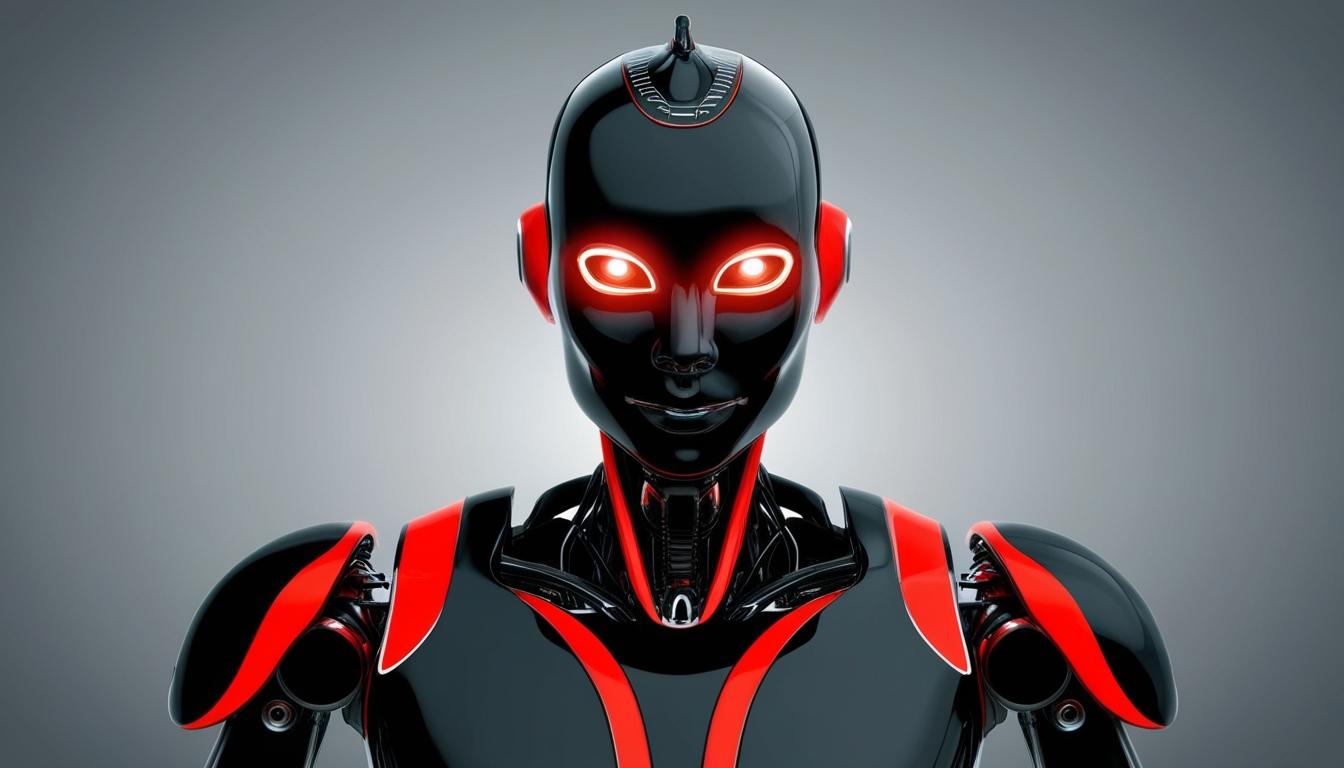
In a rapidly evolving technological landscape, significant advancements in artificial intelligence (AI) automation are expected to reshape business practices and the interaction between humans and robots. As highlighted by a recent exposé in Tech Radar, various companies have made strides in humanoid robot development, suggesting intriguing possibilities for the near future.
The burgeoning field of humanoid robotics has seen notable contributions from leading firms such as Boston Dynamics, Tesla, and others. In 2024, Boston Dynamics unveiled the Atlas 2, their most advanced robot to date, further enhancing their reputation in this sector. Meanwhile, Tesla has consistently updated its Optimus robot, illustrating the competitive race among businesses to refine these technologies. Additional players, such as Figure AI with their Figure 01 model, are also entering the fray, broadening the spectrum of humanoid robots currently in development.
Efforts to integrate AI with robotics have accelerated progress in the industry. For instance, Figure AI's collaboration with OpenAI to implement voice-based interactions showcases how AI is enhancing the functionality of humanoid robots. The merging of advancements in robotics and AI paves the way for more sophisticated human-robot interactions, possibly leading to a future where humanoid robots become commonplace in homes.
Despite the optimism surrounding these developments, industry analysts remain cautious. When discussing the potential for widespread adoption of humanoid robots by 2025, experts pointed out multiple hurdles that must be overcome. According to Anthropic's AI, Claude, although advancements are notable, "it's unlikely that most people will have a fully functional humanoid robot at home," indicating that such technology remains in its nascent stages. The message from Claude's analysis highlighted the probable prevalence of more advanced research and industrial robots, limited functionality robotic assistants, and expanded prototypes, rather than widespread availability for consumers in the near term.
Google's Gemini similarly emphasised that while the development of humanoid robots is an ongoing endeavour—citing Tesla's Optimus and 1X's Neo—the timeline for these technologies to reach consumers extends beyond 2025. This sentiment reiterates the thought that extensive time is still needed for mass production and commercialisation. Gemini identified significant challenges to the availability of humanoid robots, prominently featuring AI development as a key obstacle. The AI platform pointed out that achieving an understanding and response mechanism in complex environments, such as homes, continues to be a considerable hurdle.
Additional challenges mentioned included the need for hardware capable of performing diverse tasks, improvements in battery technology to sustain longer operational times, and the staggering costs associated with development, likely to put humanoid robots out of reach for average consumers for at least several more years.
As the countdown to 2025 continues, industry watchers are left to ponder the potential advancements that may be showcased at major tech events, with anticipation building for innovations that lay ahead. Even if fully functional humanoid robots remain a distant goal, the pace of development and the unveiling of prototypes and updated technologies imply that an exciting future in robotics is on the horizon.
In summary, while the dream of having humanoid robots at home may not materialise by 2025, the evolution of robotics technology signals significant changes in how businesses will integrate AI automation into their practices, paving the way for a transformative period in the coming years.
Source: Noah Wire Services