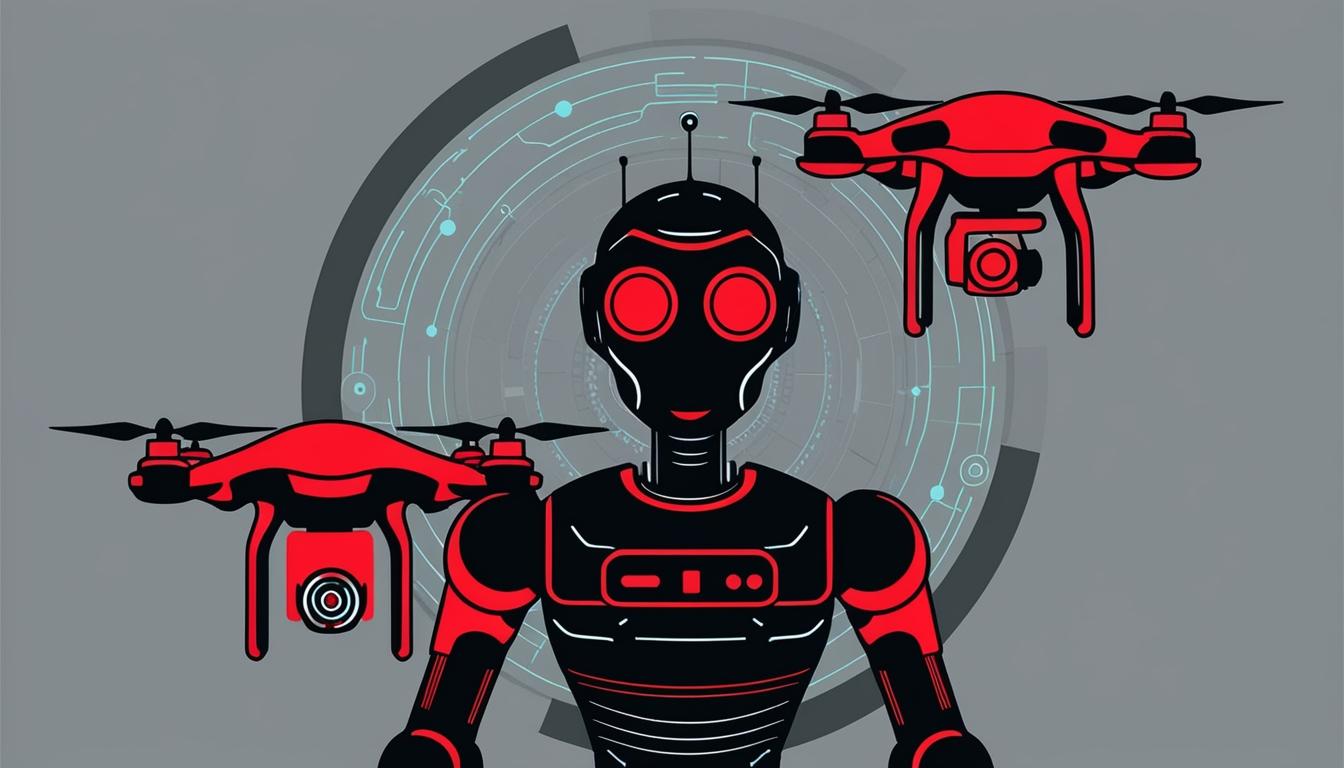
In a landscape defined by rapid technological advancements, Artificial Intelligence (AI) automation is poised to transform business practices across various sectors. AI bots are becoming an integral part of everyday operations, enhancing efficiency and redefining the interaction between technology and humanity.
AI bots have made substantial inroads in industries such as healthcare, finance, and retail. In healthcare settings, AI systems are employed to assist in diagnosing medical conditions and personalising patient care. Their capabilities extend to predictive analytics, enabling early diagnosis and supporting precision medicine tailored to patients' genetic profiles. Speaking to elblog.pl, an industry expert noted, "The transformative potential of AI in healthcare is substantial, improving outcomes through enhanced data analysis and patient engagement."
In finance, AI bots analyse market trends, manage investment portfolios, and provide customer support, thereby streamlining operations. Their ability to automate financial planning with high accuracy has revolutionised this sector, with machine learning being instrumental in predicting market movements.
The retail sector is likewise experiencing a metamorphosis, as AI bots facilitate personalised shopping experiences, providing tailored recommendations that align closely with consumer preferences. Innovative applications include AI-generated virtual fitting rooms and augmented reality experiences that engage customers in new ways.
The rise of AI-driven automation in these industries does not come without concerns. As the integration of AI bots becomes more pronounced, ethical issues surrounding privacy, decision-making, and accountability emerge. The risk of biased decision-making and breaches of personal privacy are critical issues demanding serious attention. According to the same article from elblog.pl, addressing these ethical challenges necessitates the establishment of strict guidelines and regulations to ensure responsible AI development and deployment.
Looking to the future, AI bots are anticipated to seamlessly integrate into both smart cities and homes, enhancing daily living by optimising energy consumption, managing traffic flows, and even participating in creative processes. The potential applications are vast, with predictions indicating an increased role in art and music composition where AI collaborates with human creativity rather than replacing it.
In parallel, the drone technology sector is also experiencing a significant shift, with increasing drone sightings reflecting their growing presence in day-to-day life. According to lanoticiadigital.com.ar, drones are now deployed in various roles, from delivering packages to assisting in disaster management, highlighting their promise for remarkable capabilities. However, this increase in drone usage raises pressing questions around privacy, airspace safety, and regulation.
Enhanced automation, powered by AI, is enabling drones to navigate complex environments autonomously and undertake tasks previously thought impossible. Current developments showcase drones conducting environmental surveys and offering internet connectivity in remote regions, underscoring their expanding utility. Nevertheless, the need for robust regulatory frameworks is paramount to address safety concerns related to airspace management and potential misuse for surveillance by both commercial and private entities.
Market forecasts suggest an annual growth rate exceeding 20% for the drone industry, indicating that competition among manufacturers is intensifying. Established companies are increasing investments in research and development to innovate and maintain their edge, while agile startups are entering the market with cost-effective solutions.
As industries continue to harness the capabilities of AI and drones, future predictions suggest that these technologies will become instrumental in developing smart cities, facilitating efficient urban planning, traffic management, and pollution monitoring. The envisaged growth of commercial drone deliveries also highlights the potential of these technologies to reshape logistical frameworks, providing a new standard for distributing goods.
In conclusion, AI bots and drones are redefining not only how businesses operate but also how society interacts with technology. The ongoing discussions surrounding ethical responsibilities and regulatory measures are vital in balancing innovative progress with societal needs, shaping a future where technology and human values coexist harmoniously. The landscape ahead is rich with potential, heralding a change that could significantly impact both industry practices and everyday life.
Source: Noah Wire Services