The increasing intersection of physical and digital realities has marked a transformative shift in the banking, financial services, and insurance (BFSI) sector, as reported by Frontier Enterprise. This evolution is driven by the rapid expansion of digital technologies, particularly in the Asia-Pacific region, where the number of 5G connections is projected to exceed 1.4 billion by 2025, solidifying its status as the fastest-growing area for 5G connectivity worldwide.
As organisations in this sector face multiple challenges—including outdated operational systems, escalating costs, low interest rates, and narrowing profit margins—they are also compelled to meet evolving customer expectations for seamless, personalised digital experiences. The fusion of advanced technologies such as artificial intelligence (AI), blockchain, and big data is reshaping industry practices, necessitating a shift in traditional business models.
The closure of bank branches is notably accelerating; a report by Roland Berger anticipates that over 11,000 branches will close across Southeast Asia by 2030. This shift has prompted customers to increasingly turn to online banking and digital payment methods. In this context, the metaverse has begun to emerge as a pivotal platform for financial interactions. Predictions indicate that cryptocurrencies will play a significant role as payment avenues within the metaverse, compelling institutions to rethink their infrastructures and customer offerings entirely.
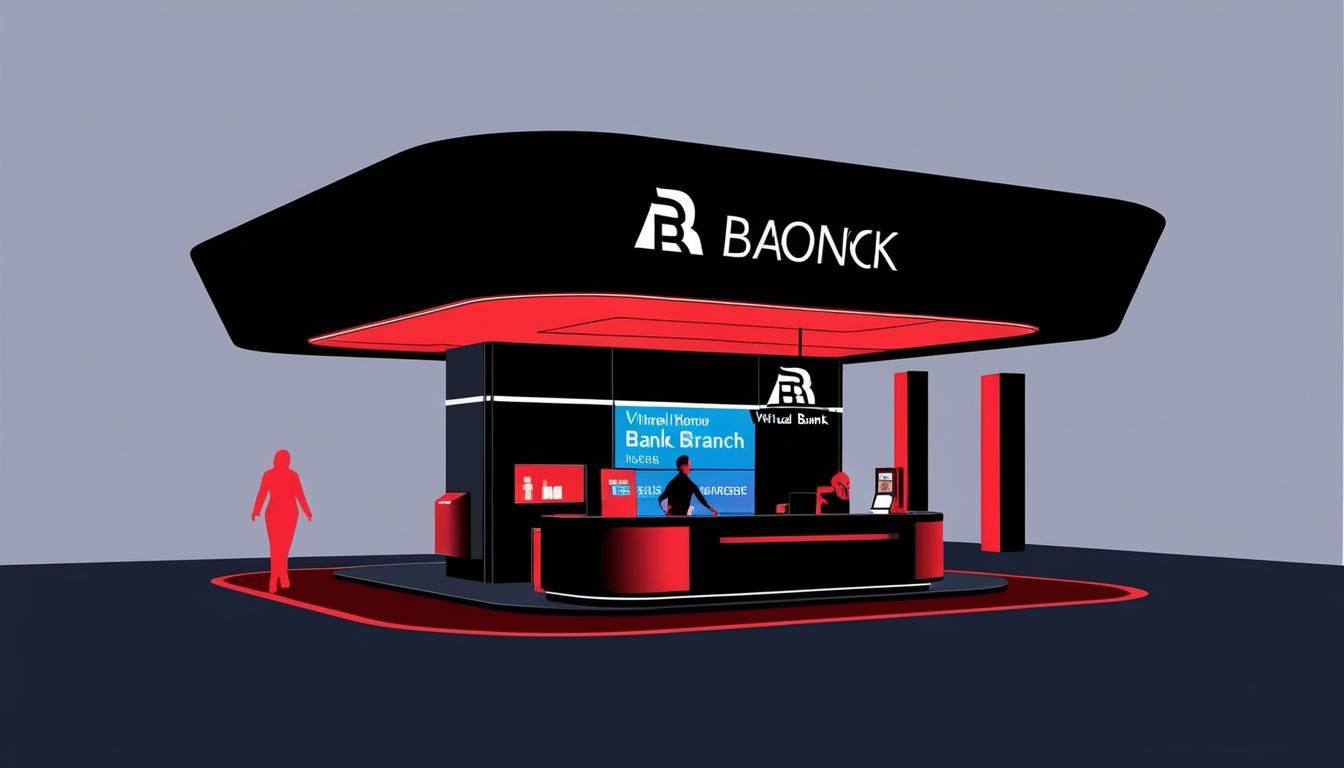
Extended reality (XR) technologies—including virtual reality (VR), augmented reality (AR), and mixed reality (MR)—are now being adopted to enhance customer engagement in banking. Institutions such as OCBC Bank in Singapore have already implemented virtual branches, like OCBCx65Chulia, designed to immerse customers in an engaging banking environment. Additionally, insurers are deploying XR to streamline claims processes, enabling users to receive real-time estimates via smartphone applications while remote assessors evaluate damages.
Beyond customer interactions, organisations can leverage the extensive data generated in the metaverse, integrating it with AI and machine learning to derive actionable insights. These advancements facilitate predictive analytics and highly tailored marketing, aligning services with individual customer needs. Furthermore, XR is revolutionising investment and trading experiences by providing 3D data visualisations and portfolio simulations, thus aiding financial professionals and educating customers on financial literacy concepts.
A Deloitte report indicates the potential for XR to deliver cost savings of up to 40% in the financial services sector. As BFSI entities continue to explore emerging technologies, they are positioned to tackle existing challenges while staying formidable in an increasingly competitive landscape. Virtual environments will soon allow customers to test financial products interactively, impacting transaction methodologies for virtual properties and assets, thus necessitating strategies to address financing and insurance needs in these new realms.
However, the expansion into the metaverse introduces potential risks, including fraud. Financial institutions will be tasked with developing comprehensive risk management frameworks to safeguard customer assets. Simulation of security breaches for staff and customer training may become commonplace, contributing to a more secure and reliable financial ecosystem.
As hybrid reality technologies continue to gain traction, they are anticipated to reshape interactions across various sectors. The engagement of customers with immersive financial services can enhance trust and loyalty while boosting satisfaction and retention rates. As the BFSI sector transitions towards these advanced technologies, the demand for skilled professionals capable of managing and innovating within these new environments is expected to increase.
For customers in the Asia-Pacific region, the gradual adoption of XR will be crucial for a smooth transition into these immersive experiences. The early integration of XR features into financial services can expedite digital transformation, enabling institutions to provide highly personalised, data-driven customer journeys that foster growth and profitability in an increasingly complex market.
Source: Noah Wire Services