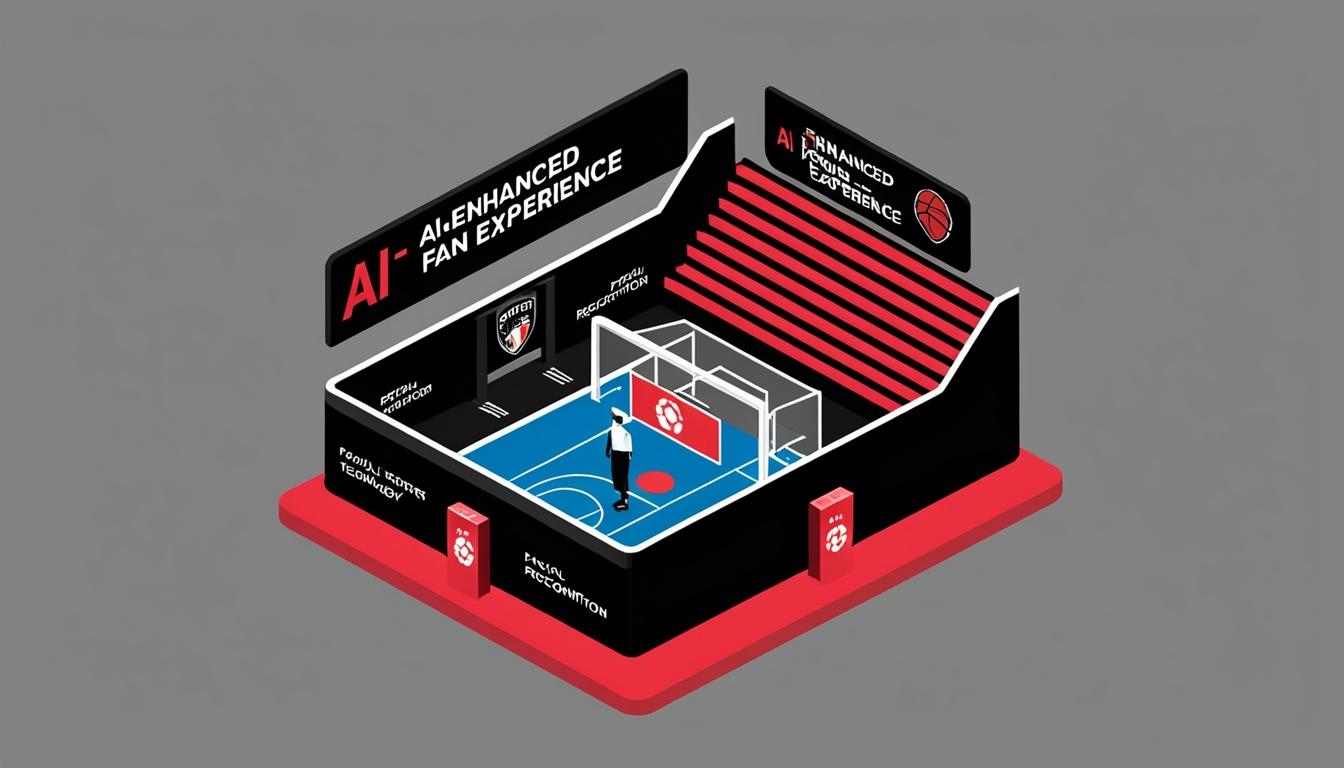
Artificial intelligence (AI) is rapidly becoming a transformative force in various sectors, including the sports industry, where teams are exploring innovative ways to enhance the fan experience. This trend has gained traction with some prominent teams, such as the Los Angeles Clippers and the San Francisco Giants, embracing these emerging technologies to address long-standing issues faced by fans.
The Los Angeles Clippers have made significant strides with the opening of the Intuit Dome, their new multi-billion dollar arena. This facility aims to streamline entry and improve overall game day experience through the incorporation of facial recognition technology, as reported by The Associated Press. By replacing traditional digital tickets, which themselves replaced paper tickets in the past decade, the Dome minimises the need for ticket scanners, effectively shortening wait times for fans entering the venue.
In addition to facilitating entry, the Intuit Dome has introduced cashier-less concession stands, enabling patrons to purchase food and drinks with facial recognition. This advancement further demonstrates how AI can be leveraged to enhance convenience for attendees at sporting events. However, opinions on the necessity of these technological improvements vary among the fan base. Matthew McDonald, a junior in the College of Liberal Arts and Sciences at the University of Illinois, acknowledged the potential for improved fan experience but highlighted common issues such as parking and concession prices. Another freshman business student, Tyler Sass, expressed a more tempered view, stating, “I think that fan experience could definitely be improved, but I personally don’t see any need for it.”
In addition to advancing technology for logistical improvements, the Clippers have implemented “The Wall,” a uniquely designed fan section where attendance is reserved exclusively for approved Clippers supporters. This section, comprising 51 rows of continuous seating, is distinguished by its strict regulations. If a fan cheers for the opposing team, as interpreted by facial recognition technology deployed in the arena, they risk losing access to this exclusive area. Accessing The Wall requires fans to follow the team on social media, subscribe to their newsletter, attend a game within the last three years, and complete an online application. This relatively accessible threshold has seemingly increased engagement among supporters.
The San Francisco Giants are also harnessing the power of AI to enhance their fan interactions. As reported by a release from PureStorage, the team is applying AI and machine learning to strategically determine the timing of promotions and ticket packages, tailoring these offers to specific audiences. This approach aims to dispel the perception of baseball as a less engaging sport and could potentially attract more fans to the game. Freshman student Cyrus Lui highlighted the significance of AI in modernising baseball, noting its potential to generate enthusiasm amongst fans and motivate players during games.
The evolution of AI in sports aligns with a historical precedent set by California teams like the Oakland Athletics, who revolutionised player evaluation through the use of sabermetrics. This analytical approach transformed the landscape of baseball, allowing smaller-market teams to thrive by identifying undervalued talent.
As businesses across various sectors explore the implications of AI automation, the sports industry stands at the forefront of innovation. The advancements being employed by the Clippers and Giants signal a burgeoning trend that has the potential to reshape how fans engage with their favourite teams and the overall sporting experience. The ongoing integration of AI into sports practices reinforces the continuing evolution of technology and its diverse applications in enhancing service delivery to consumers.
Source: Noah Wire Services