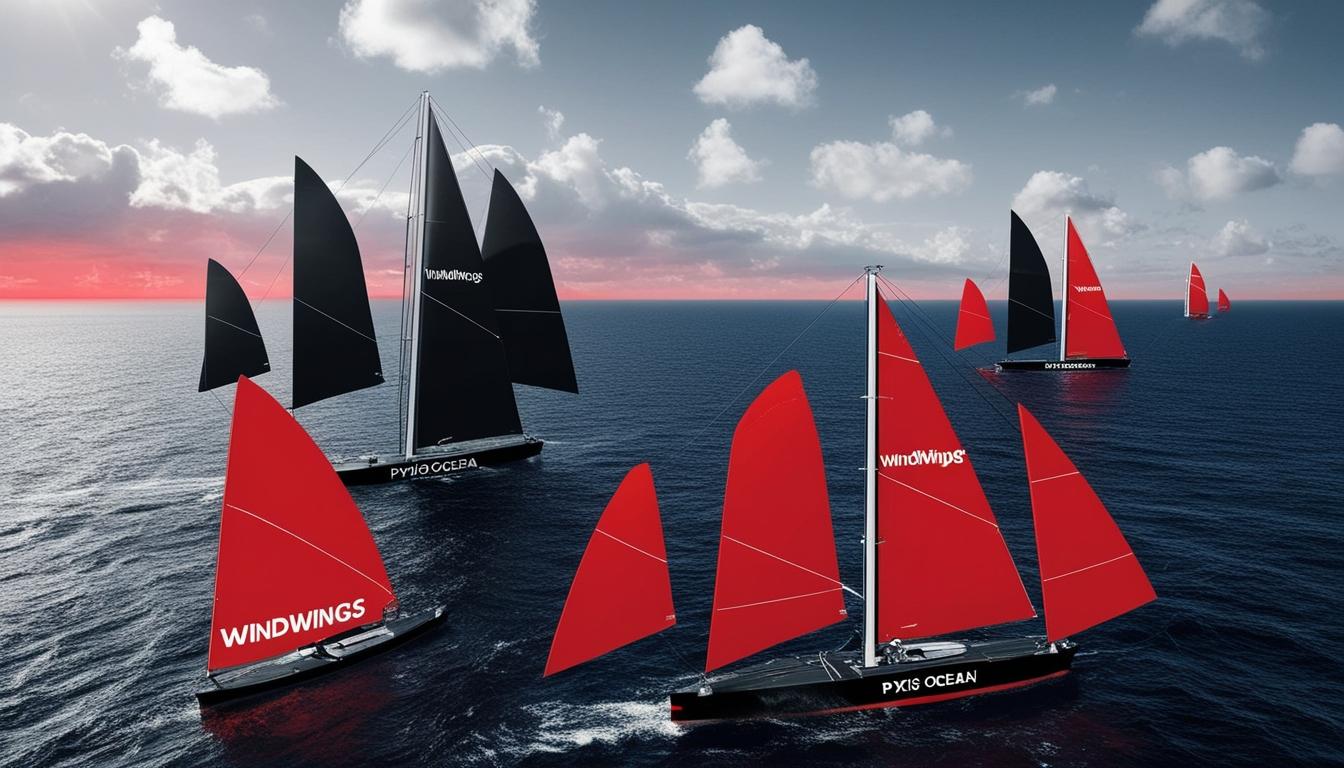
Shipping giant Cargill has embarked on a significant trial that merges renewable energy alternatives with its extensive maritime operations by testing the innovative WindWings system, a retrofitted sail technology originally designed in the UK. The system has been installed on the Pyxis Ocean, a bulk carrier vessel, as part of a pilot project that began in August 2023 in Shanghai. The trial, which spanned six months, aimed to evaluate the effectiveness of fixed, rigid “sails” that evoke centuries-old sailing techniques in reducing carbon emissions and fuel consumption.
The results of the WindWings technology trial have shown promising outcomes, with Cargill reporting that the system successfully reduces the daily fuel consumption of the Pyxis Ocean by approximately three metric tons. This translates to a reduction of 11.2 tons of carbon dioxide emissions per day. If projected over a year, this would equate to the environmental impact of removing 480 fossil fuel-powered vehicles from the roads. While Cargill is optimistic about the implications of these findings for the future use of wind energy in shipping, experts remain cautious, noting that without widespread adoption across a significant portion of vessels, the overall impact on carbon emissions will remain minimal.
Jan Dieleman, president of Cargill’s Ocean Transportation division, shared insights into the company's vision for decarbonization. Speaking to El Diario 24, he stated, “We believe technologies that harness the wind could be an important, cost-effective way to achieve our decarbonization goals in the short, medium, and long term.”
The WindWings installed on the Pyxis Ocean differ fundamentally from traditional sails, as they are constructed from the same material used in wind turbine blades. These structures stand 123 feet tall at sea but can be folded down when in port. Cargill's commitment to further develop this technology hinges on addressing practical challenges, such as enabling ships to berth while the WindWings are deployed. The company is collaborating with over 250 international ports to explore feasible solutions.
In addition to the WindWings initiative, BAR Technologies, the British firm behind the design, is actively seeking partnerships with vessel owners interested in retrofitting their ships with these installations. Plans are in place to transition from two WindWings to three on future vessels, potentially enhancing fuel savings and further decreasing emissions.
The maritime sector's dedication to innovative solutions for carbon reduction is also reflected in other advancements within the industry. Stephen Gordon, managing director at Clarksons Research, highlighted the strategic decision to retrofit existing vessels rather than building new ships as a significant advantage in the industry's transition to decarbonisation. “The option to retrofit to an existing fleet – as has been done with the Pyxis Ocean – is very helpful. It will take decades to deliver all the new ships needed for the decarbonization journey. Even today, shipyards globally are full, and lead times for delivery are averaging three-and-a-half years,” he noted.
As efforts to mitigate carbon footprints in the maritime industry intensify, innovations such as the WindWings highlight a growing trend towards integrating green technologies. Meanwhile, companies, like one based in Scotland, are revolutionising hydrogen bunkering at sea, further exemplifying the diverse approaches being explored to combat climate change within shipping practices. The confluence of these trends signifies a transformative period for the maritime industry as it navigates the challenges posed by both environmental concerns and operational logistics.
Source: Noah Wire Services