In an exclusive interview with The CSR Universe, Rashid K, the Co-founder and Director of Genrobotic Innovations, elaborated on the company’s mission and technological advancements aimed at addressing the persistent issue of manual scavenging in India. This practice, which has been outlawed yet remains prevalent in certain areas, poses severe risks to sanitation workers who are often exposed to hazardous conditions while cleaning manholes and sewers.
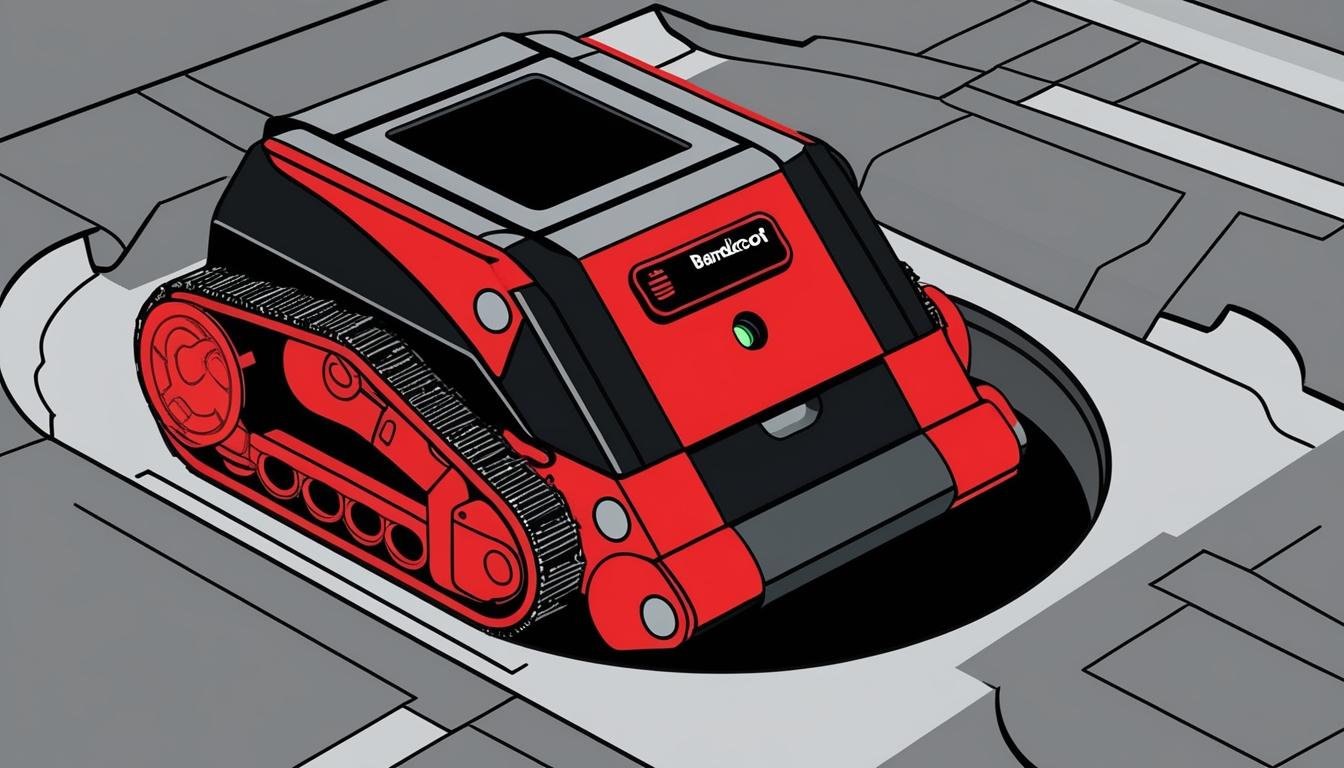
The catalyst for Genrobotics arose from a tragic incident in Kozhikode in 2015, where two sanitation workers and a passerby, Naushad, lost their lives while attempting to rescue them from a manhole. This harrowing event highlighted the urgent need for alternatives to manual scavenging, prompting the inception of Bandicoot, a robotic scavenger designed to operate in such dangerous environments. “It was this tragedy that inspired us to create Bandicoot, a robotic scavenger designed to replace humans in cleaning manholes, ensuring safety and dignity for sanitation workers,” stated Rashid K during the interview.
Genrobotics aims to not only eliminate the hazardous practice of manual scavenging but also provide empowerment through skill development for workers. The Bandicoot robot features advanced technologies such as human-like arms and extendable legs, enabling it to perform tasks while ensuring human safety. Rashid explained the technological capabilities of the robot, noting, “Bandicoot features a multifunctional robotic arm with four degrees of freedom, mimicking human dexterity.”
Since its launch, Bandicoot has made significant strides, being deployed in various municipalities across 19 states and 3 Union Territories in India. Moreover, Genrobotics has developed variations such as Bandicoot Mobility+, which caters to larger waste management tasks, and Bandicoot Mini, for smaller municipalities. The company continues to innovate with products like Wilboar, which is designed for cleaning confined spaces, and the G-Gaiter, a robotic gait trainer aimed at rehabilitating patients with neuro-related disabilities. “Today, G-Gaiter is deployed in six major hospitals, transforming rehabilitation for patients with gait disabilities,” Rashid noted.
The growing concerns surrounding waste management in urban areas have also led Genrobotics to develop solutions like G-Mammoth, a sophisticated suction-cum-jetting machine designed to tackle hard sediments and blockages within sewer systems. This innovation promises to enhance efficiency while addressing environmental sustainability in waste management practices.
Rashid highlighted the social impact of Genrobotics’ initiatives, stating that through the Genrobotic Foundation, the company rehabilitates manual scavengers by providing training on operating the Bandicoot robots. Over 3,000 manual scavengers and their families have benefited from these programs, enabling them to secure safer employment opportunities. Rashid remarked, “These initiatives enhance livelihoods and significantly improve the quality of life for their families, ensuring financial independence and dignity.”
Furthermore, Genrobotics actively campaigns for awareness surrounding manual scavenging and the potential of robotics to enhance lives. By showcasing the capabilities of the Bandicoot robot, the company aims to change public perception and reinforce the importance of technological innovation in solving deep-rooted social challenges. Rashid emphasised the company’s vision: “Through these initiatives, we are building a future where technology and humanity work hand-in-hand to create safer, cleaner, and more equitable communities.”
The developments exemplified by Genrobotics signal a transformative shift in how technology can intersect with social issues, signifying a commitment to not only improving sanitation practices but also empowering individuals and communities.
Source: Noah Wire Services