Cybersecurity concerns have taken centre stage recently, particularly as hackers become increasingly adept at infiltrating vital industries, including agriculture. This focus on safeguarding America’s agricultural sector is paramount, especially as key political leaders from agricultural states prepare to assume influential roles in Washington in the coming year.
Discussing the burgeoning geopolitical importance of the heartland, Dakota State University President Jose-Marie Griffiths highlighted the critical vulnerabilities within the agricultural industry during a recent conversation with Fox News Digital. With the likes of Senator Mike Rounds, R-S.D., stepping into a prominent role as chair of the Senate Armed Services Subcommittee on Cybersecurity, Griffiths emphasised the need for heightened attention to agricultural cyber infrastructures, which have historically not received the necessary scrutiny.
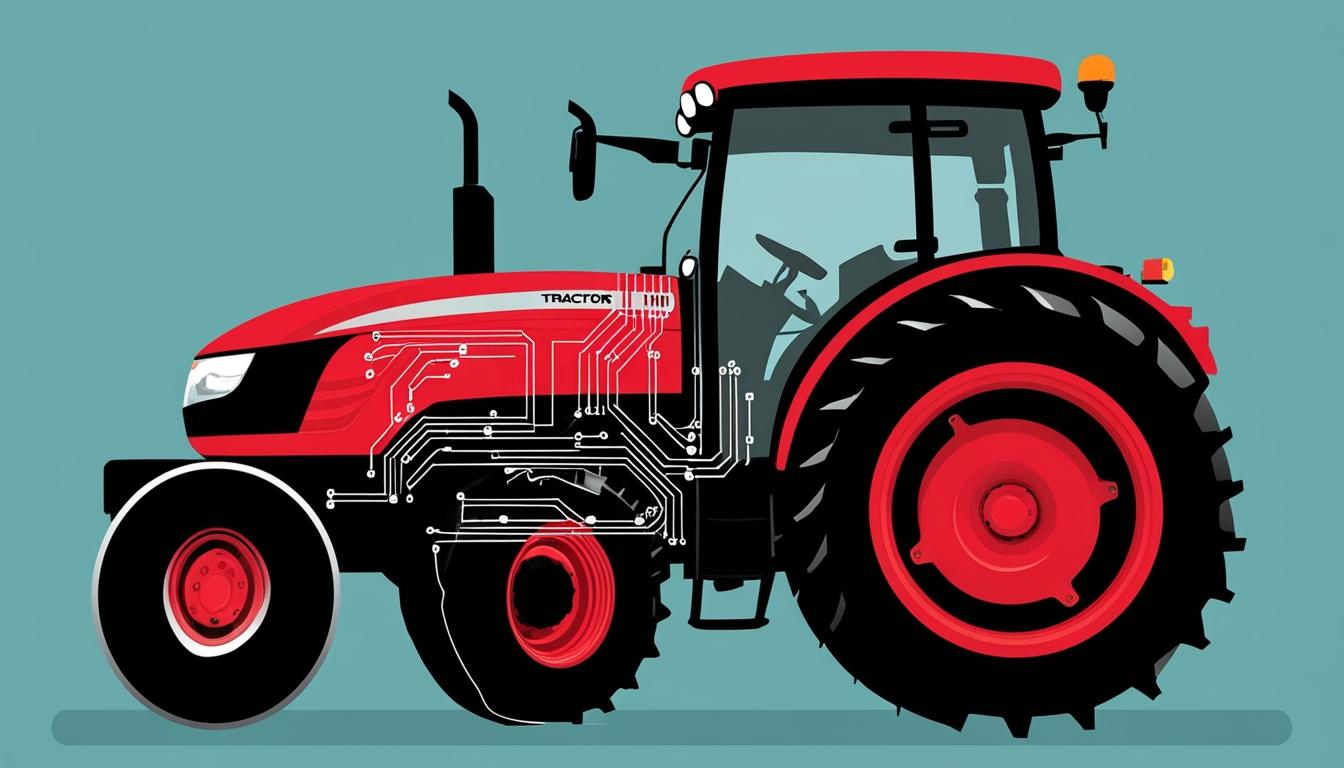
“I said quite a lot in the past and in [congressional] testimony about my concerns about agriculture and food production’s critical infrastructure, which came rather late to the cybersecurity critical infrastructure table,” Griffiths noted. She pointed out that various agricultural vehicles are increasingly autonomous and connected via satellite, exposing them to potential cyber threats. Griffiths voiced the need for heightened awareness as adversaries take note of these vulnerabilities.
Senator Rounds has also been vocal about the cybersecurity risks facing the American agricultural sector. In his discussions, he underscored that the vulnerabilities encompass more than just farming equipment. “It’s more than just the vehicles and so forth,” he stated, referring to the interconnected nature of various infrastructures such as water and electrical systems, which are now more susceptible to cyber-attacks.
The senator elaborated on the threats of foreign infiltration, stating, “We have been, for an extended period of time, looking at threats that could come from overseas by adversaries that would like to infiltrate not only the water supplies but also the electrical systems… and in some cases, sewer systems.” He reiterated that sophisticated foreign technology, such as that sold by Huawei to rural telecommunications entities, poses a unique risk to rural communication systems, potentially granting adversaries unauthorized access.
The proliferation of drones in agriculture, coupled with automated vehicles like tractors and harvesters, has introduced new cybersecurity vulnerabilities. Rounds remarked that these technologically advanced machines operate primarily using GPS systems, which could be susceptible to exploitation. “A lot of that right now is done with GPS. You get into your tractor, you plug it in and basically it’ll drive it for you,” he said, adding that as automation progresses, similar vehicles may operate autonomously and become more vulnerable to cyber threats.
Compounding these concerns, grain elevators and transportation systems are also at risk of cyber interference, impacting the marketing and logistical capabilities crucial to farmers reliant on open markets. The senator pointed out, “If that new technologically-advanced system malfunctions or is hacked, it will greatly disrupt the ability to provide the raw materials to the people and companies ‘actually making the bread’.”
Moreover, this evolving landscape has caught the attention of cybersecurity experts, such as Amit Yoran, CEO of the exposure management firm Tenable. In his recent testimony before the House Homeland Security Committee, Yoran indicated that there is no one-size-fits-all defence strategy for addressing cybersecurity in any sector, including agriculture. He remarked, “Some critical infrastructure providers have a high degree of cybersecurity preparedness, strong risk understanding and risk management practices, and very strong security programs. Others are woefully ill-prepared.”
As agriculture continues to modernise and integrate advanced technologies, the emphasis on cybersecurity within this critical industry will likely grow, reflecting the multifaceted risks associated with automation and interconnected infrastructures. The implications of these developments could extend beyond regional agricultural integrity, potentially affecting broader economic stability and security.
Source: Noah Wire Services