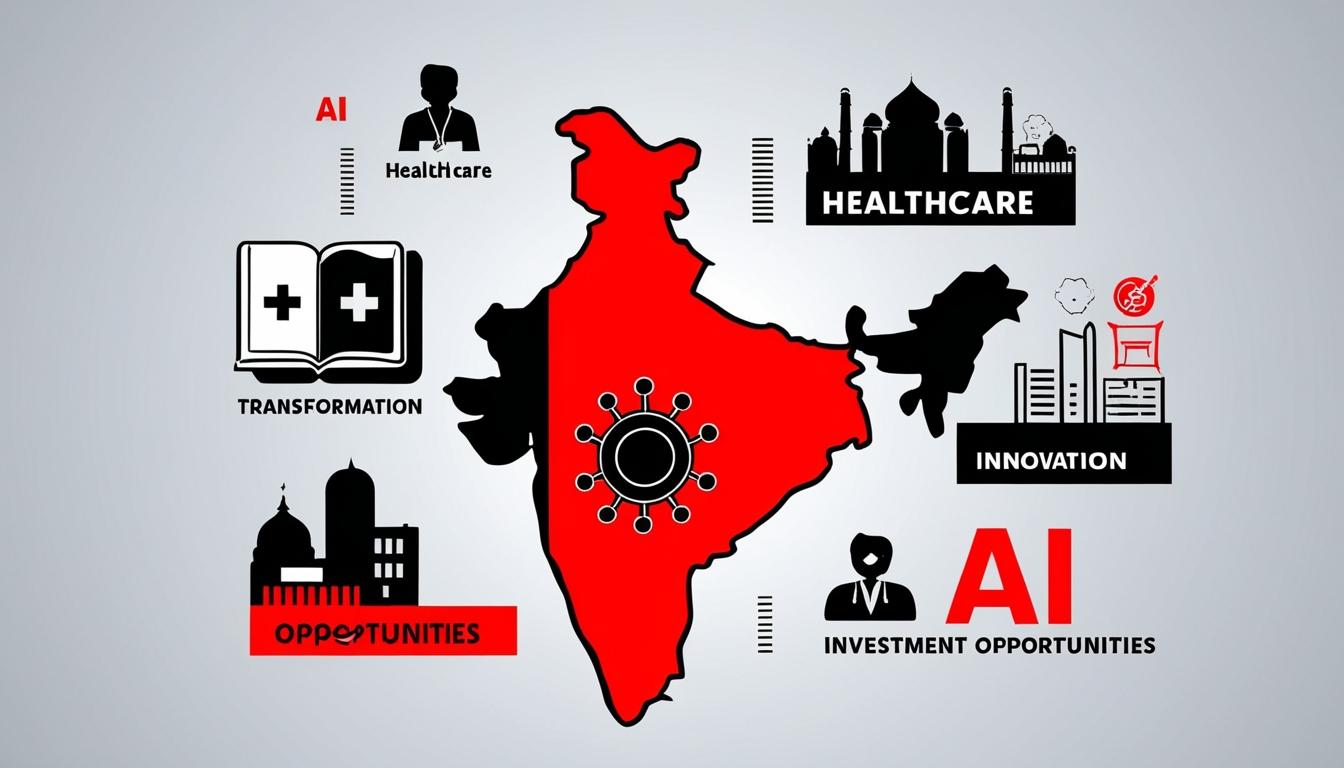
Investors are increasingly focusing on emerging powerhouses in India as they navigate the complexities of global markets characterised by persistent inflation and geopolitical uncertainties. The Economic Times has reported that key sectors poised for growth through 2025 include healthcare, infrastructure, and the burgeoning field of Artificial Intelligence (AI).
India's economic landscape is underpinned by significant transformations. The country is witnessing a rapid modernisation of its healthcare system, resembling the pace of China's evolution from 2007 to 2021. However, a critical distinction is that this transformation is primarily driven by private enterprise rather than direct state intervention. Analysts project this sector will see vast opportunities due to private equity and venture capital investments exceeding $1 billion within the first five months of 2024, representing a notable 220% increase compared to the previous year.
Key factors contributing to this growth include India's relatively low public healthcare expenditure, a wealth of qualified medical personnel, and an efficient cost structure, with surgical procedures costing approximately one-tenth of what they do in Western countries. The hospital market, valued at $98.98 billion in 2023, is expected to grow at a compound annual growth rate (CAGR) of 8% from 2024 to 2032, potentially reaching around $193.59 billion by 2032. As India shifts towards greater healthcare expenditure—projected to rise to 2.5% of GDP by 2025—opportunities in medical tourism, R&D, and health insurance coverage expansion continue to emerge.
The infrastructure sector is also set for remarkable growth, propelled by the Indian government's ambitious $1.4 trillion investment initiative. This agenda not only encompasses traditional constructural undertakings but also extends to supply chains and smart city technologies. Within this growth, the Indian wires and cables industry is projected to experience a CAGR of approximately 15% from 2023 to 2028, supported by efforts such as the "Power for All" initiative aimed at improving energy access.
Simultaneously, performance in the Indian tiles industry, comprising ceramic and vitrified tiles, is flourishing, with expectations of a CAGR around 12% during the same period. The plywood industry is also entering a robust phase, driven by the booming construction sector and the rising demand for eco-friendly materials, with projections indicating an 8-10% CAGR.
Perhaps most significant is India's positioning in the global IT landscape, particularly in the realms of AI and associated technologies. The IT sector contributes about 7.5% to India's GDP and has expanded its focus from traditional software services to inclusive advanced technologies such as Data Analytics, Cloud Computing, and IoT. Initiatives like the Digital India programme aim to enhance broadband connectivity for all citizens and spur digital adoption within the economy. Reports indicate that India produces roughly 16% of the world's AI talent pool, making it the third-largest globally, a fact that emphasizes its promise in tech-driven innovation.
In summary, India is witnessing substantial governmental and private investment across several sectors, with healthcare, infrastructure, and IT emerging as focal points likely to shape the country's economic and business landscape significantly in the years to come. The interplay of factors including demographic changes, urbanisation, and a growing middle class presents vast opportunities for investors keen to tap into this transformative phase.
Source: Noah Wire Services