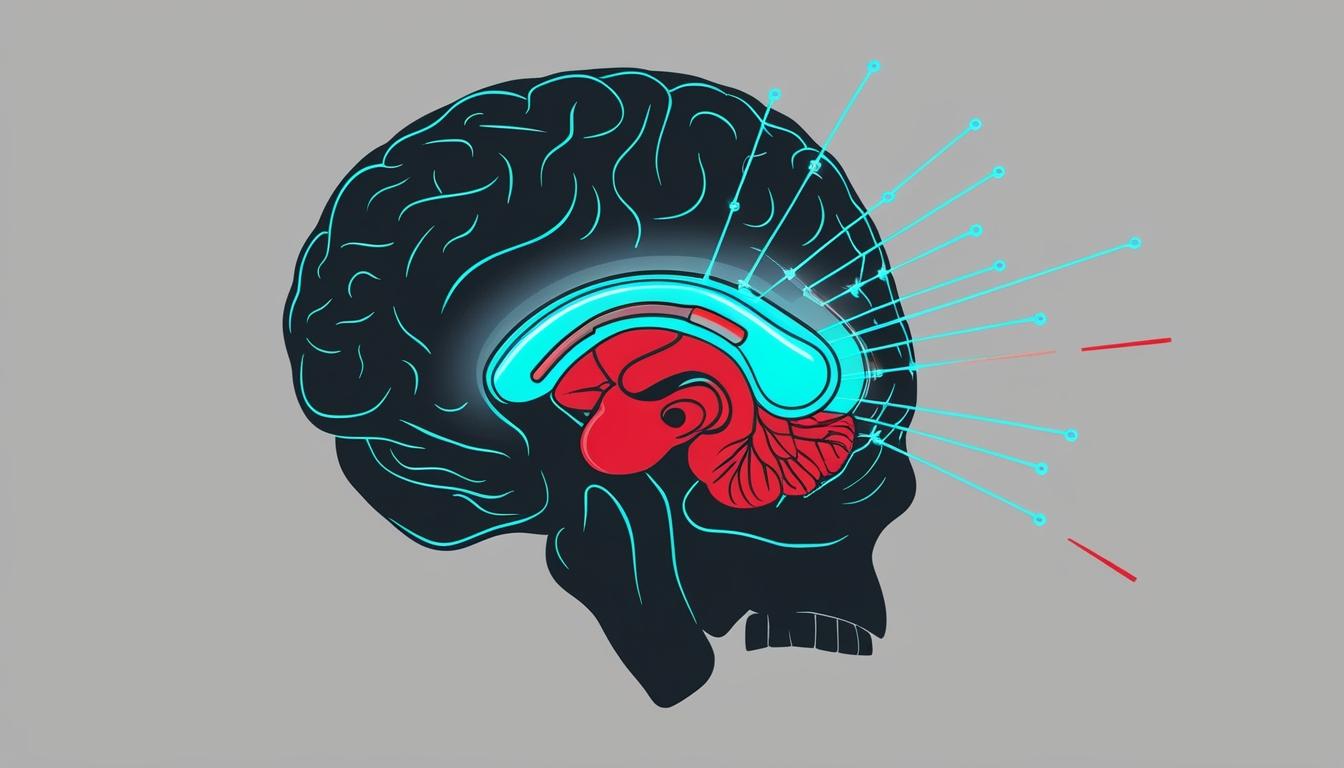
The development of advanced brain-computer interfaces is making significant strides, particularly with the work being conducted by Neuralink, the neurotechnology company founded by Elon Musk. Recently, a groundbreaking trial has received approval in Canada that aims to explore the capabilities of Neuralink's brain implant technology, which promises to enable users to control devices with their thoughts.
Dr Andres Lozano, a renowned professor of neurosurgery at the University of Toronto, is leading this initiative through his team at the University Health Network. “As soon as they called me, I jumped at the opportunity,” he stated, expressing his enthusiasm for the trial. The first phase will see the implantation of the device in six patients over the coming months.
According to Dr. Lozano, this technology embodies not only the beginning of a new frontier in medical science but also a harbinger of potential everyday applications. He elaborates, “It is very exciting but this is step one of something that’s going to be even more so,” and he envisages a future where individuals may operate vehicles using mere thoughts, thus transforming mobility and daily activities.
The technology itself is a considerable advancement over prior iterations of brain implants, which were typically bulkier and, in many cases, involved cables protruding from the skull. The Neuralink device, however, is conveniently sized at approximately that of a coin and is designed to be implanted beneath the skin, requiring only a two-hour surgical procedure. The operation involves creating a two-inch-wide opening in the skull.
Neuralink’s implant features 64 flexible threads, each equipped with over 1,000 electrodes designed to detect neuronal activity. This process allows the readings to be transmitted wirelessly to a computer or smartphone, where they can be interpreted through artificial intelligence and machine learning systems. The threads are specifically aimed at the brain region responsible for hand movement due to its intricate neuronal activity, which Dr. Lozano described as “sophisticated and highly complex.”
During the trial, participants will be instructed to control a cursor simply by thinking about it, an exercise that will help assess the implant's functionality. The eligibility criteria for participating patients include those with severe disabilities such as paralysis from spinal cord injuries or severe quadriplegia resulting from conditions like amyotrophic lateral sclerosis (ALS).
Dr. Lozano illustrated the potential benefits for such patients, citing a recent case of an ALS patient who possesses limited mobility but retains the ability to speak and swallow. He remarked, “They’re trapped in their body – they cannot do much,” underscoring the social isolation individuals may experience due to physical limitations. The neural device could significantly enhance the quality of life for these individuals, allowing them to engage more fully in social interactions through activities like card games or watching movies—experiences that are often taken for granted.
Notable progress has already been observed in the trials within the United States, where the first human recipient of a Neuralink implant, 30-year-old Noland Arbaugh, has demonstrated remarkable capabilities. After becoming paralysed below the neck from an accident, Arbaugh has successfully utilised the device to play video games, illustrating its transformative potential. However, challenges have arisen; when the threads began to detach from his brain, Arbaugh faced the distressing prospect of losing his newfound abilities. He shared, “It would have been very, very hard to give up all of the amazing things I was able to do,” highlighting the emotional weight of the innovation.
As Dr. Lozano prepares to perform his first implantation, he reflects on the experiences garnered from Arbaugh's case to improve the subsequent trials. The ongoing research and development in this field hint at a future where brain-computer interfaces could revolutionise not only medical treatment but also the interaction between humans and technology, potentially reshaping everyday life.
Source: Noah Wire Services