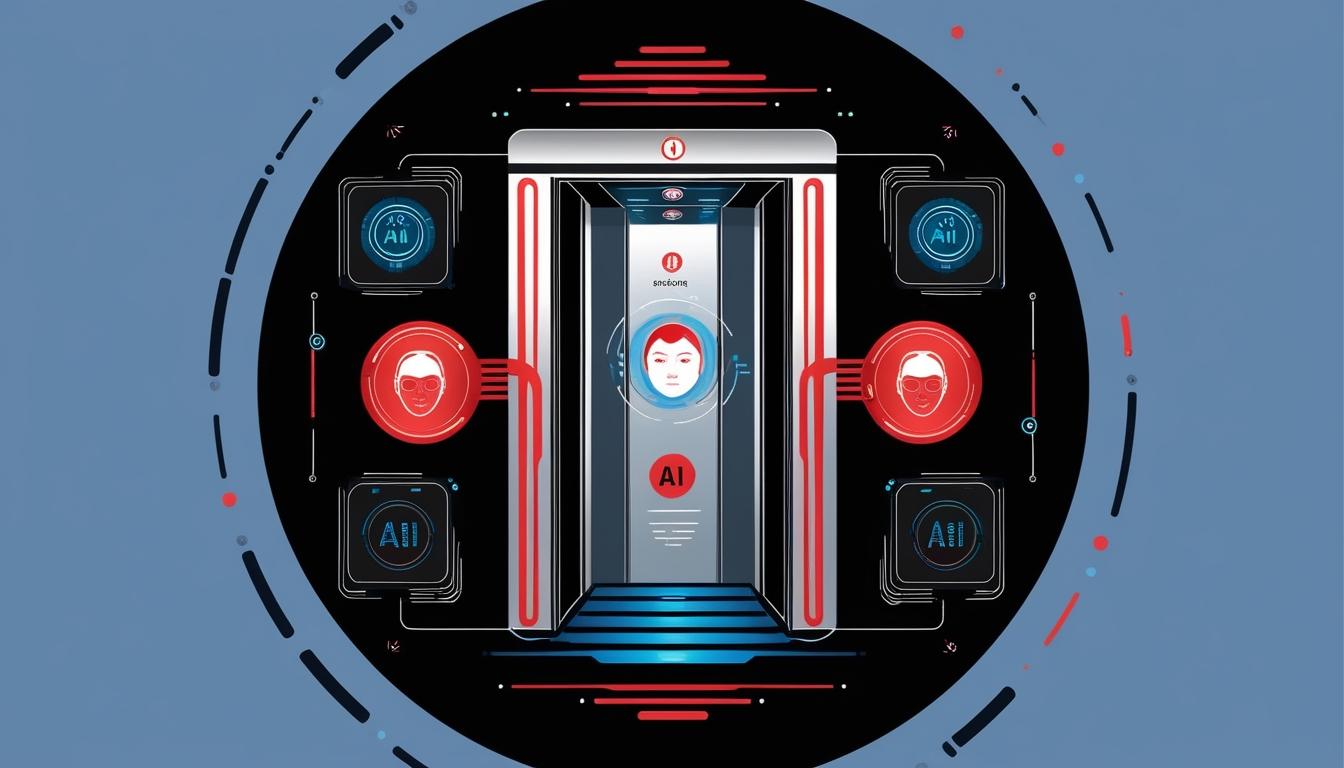
In a world increasingly influenced by artificial intelligence (AI), developments in automation are transforming traditional business practices. Notable changes are anticipated in functionalities like elevators, which may soon feature facial recognition technology allowing them to identify passengers and select floors automatically. Such innovations suggest a future where even the simplest tasks could be handled without human intervention, eliminating the need to push buttons and requiring only spoken commands.
The potential for AI to improve workplace efficiency is significant. Slack, a widely used communication platform, is integrating AI to function as a highly efficient assistant—akin to a classic figure of a 1950s secretary. This technology is designed to attend meetings, meticulously record discussions, and summarise the content for participants. It raises questions about the implications for focus and retention among employees, as meeting attendees might depend entirely on these summaries rather than actively engaging in discussions.
In the healthcare sector, AI's role parallels that of an adept secretary through enhanced electronic health record (EHR) systems. These systems can automatically transcribe doctors' notes and update patient records, ensuring that healthcare providers maintain a personal connection with patients by recalling details from previous visits. This integrated technology is aimed at creating a more seamless patient experience while allowing practitioners to focus on providing care.
However, the convenience of AI in workplaces introduces challenges regarding knowledge retention. When AI systems undertake note-taking and information management, employees may not actively engage with their surroundings, leading to potential content gaps in personal knowledge. The problem of human engagement in learning and reflection gains prominence in this context. A significant concern is whether trust in AI systems could undermine the human ability to capture and utilise crucial business knowledge and insights.
The new Slack AI application has advanced capabilities, including the ability to negotiate with other AI agents. This innovation could shift decision-making power away from humans, raising further questions about the extent of automation in strategic planning. It poses a vital consideration: how much reliance on AI is appropriate before diminishing the critical role of human cognition and experience in businesses?
The question for organisations becomes not just about integrating AI solutions but also about ensuring that the workforce remains engaged, retains critical knowledge, and fosters a culture of reflection and learning. As businesses explore AI's burgeoning capacities, they will need to navigate the balance between technological assistance and the invaluable experience of human contributors.
Source: Noah Wire Services