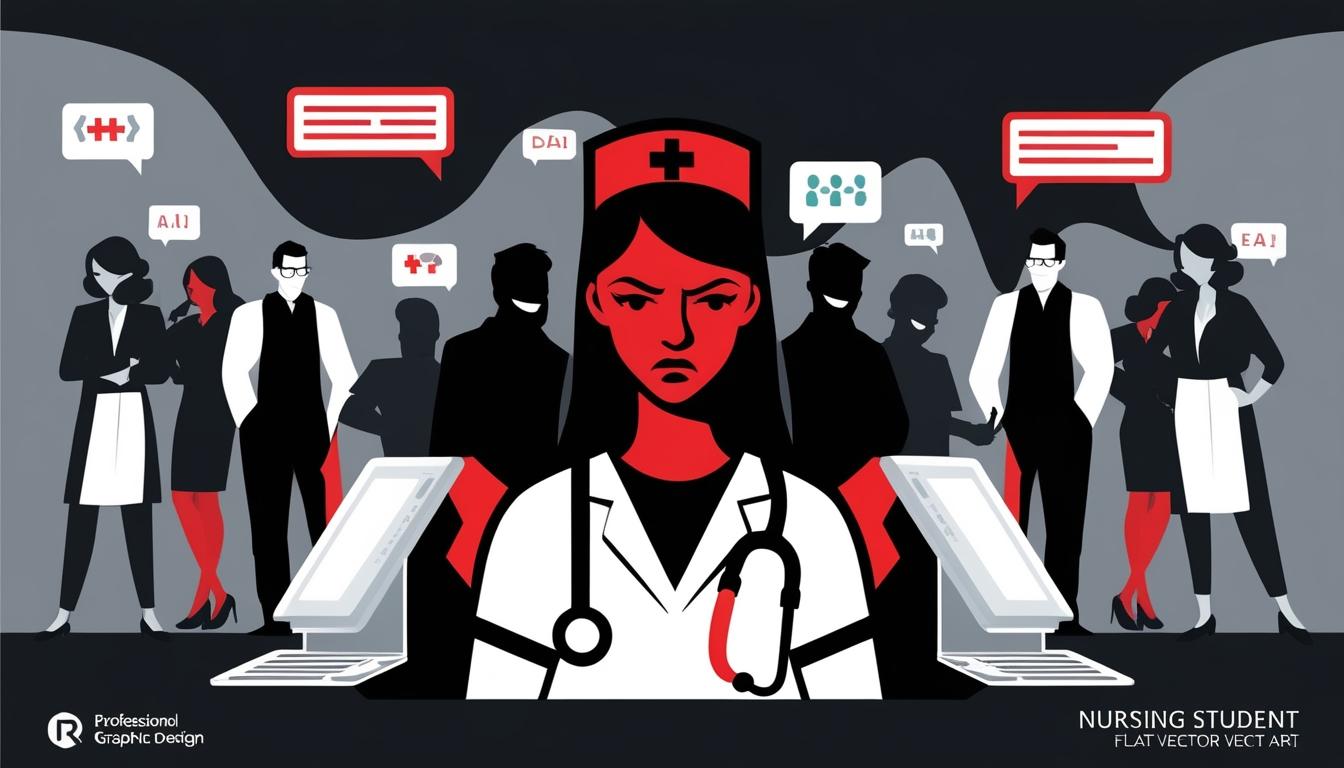
A study conducted in Nepal has explored the significant impact of the ongoing nursing shortage on the clinical learning environment, particularly how it affects undergraduate nursing students’ ability to acquire essential clinical skills. The research highlights that clinical staff, who face immense patient care demands amid staffing constraints, inadvertently create missed learning opportunities for students. This issue correlates with growing evidence that similar shortages are detrimental to clinical education worldwide. Inadequate staffing levels hinder students from gaining hands-on experience, receiving timely feedback, and developing critical thinking skills, amplifying the existing gap between theory and practice. Particularly pronounced in Nepal, where nursing shortages are especially acute, such challenges impede students' development of the confidence and competence necessary for safe patient care.
The study utilised Bandura's social cognitive theory to illustrate how the nursing shortage extends beyond the relationship between students and supervisors. Overloaded staff often model behaviours of stress and frustration, leading students to perceive themselves as burdens rather than valuable learners. This lack of support prevents students from seeking guidance, thereby stunting their learning process and self-efficacy development. Consequently, the nursing shortage exacerbates a broader issue, as it shapes students’ professional identities and could influence their long-term commitment to the nursing field. The findings resonate with challenges observed globally in resource-constrained settings, indicating a widespread need to address the systemic issues underlying nursing shortages and their impacts on clinical education.
The clinical hour requirement for nursing programmes in Nepal is notably high, exceeding 4,000 hours, which raises questions regarding the balance between theoretical and practical training. While immersion in clinical settings is critical, the mandated intensity of placements, compounded by staffing shortages, strains supervisory capacities. This issue echoes international discussions concerning mandated clinical hours in nursing education. In contrast, Australia mandates only 800 hours, while New Zealand requires 1,100 hours, and the UK mandates 2,300 hours across three years. The disparities highlight ongoing debates about the optimal balance between clinical immersion and alternative educational approaches.
One potential solution to mitigate these pressures is the incorporation of simulated clinical learning experiences. This method offers a controlled environment where students can engage in practice, develop critical thinking, and build confidence prior to interacting with real-life clinical scenarios. Advances in simulation technologies, such as high-fidelity mannequins and virtual reality, enable students to replicate complex clinical situations, enhancing their clinical judgement and decision-making skills without putting actual patients at risk.
Despite the benefits of simulation, it is acknowledged that it cannot entirely replace real-life interactions with patients. An effective approach may lie in a combination of simulation, traditional clinical placements, and innovative teaching methodologies tailored to the unique needs of students and available resources. By scrutinizing mandated clinical hours and exploring simulated learning's potential, Nepal has the opportunity to contribute meaningfully to the global dialogue on optimising nursing education. A balanced and adaptable approach could bolster the quality of nursing instruction, ease the burden on clinical settings, and foster a more competent workforce.
The nursing shortage has not only compromised technical learning but has also created a sense of isolation among nursing students, illustrated by their descriptions of feeling like “ghosts, silently observing from the sidelines.” This sentiment is exacerbated by inadequate supervision and mentorship, leading to diminished confidence and a lack of belonging that is crucial to their development. Mentorship, viewed as vital in clinical education, fosters professional socialisation and strengthens students’ self-efficacy. Strong mentorship programmes have been linked to enhanced clinical learning experiences, yet the absence of effective mentoring in this context exacerbates feelings of vulnerability and isolation among students, particularly within a profession predominantly occupied by women, amplifying existing gender dynamics.
Interestingly, despite these challenges, the nursing shortage has cultivated resilience and resourcefulness among students, allowing them to adapt and discover alternative learning pathways. They seek knowledge from physicians and allied health professionals in the absence of direct mentorship, highlighting a commendable determination to succeed; however, this self-direction raises concerns regarding disparities in access to resources and potential misinformation. The reliance on informal knowledge sources can undermine the development of structured, evidence-based nursing practice.
The integration of artificial intelligence (AI) as a "digital mentor" within the Nepalese clinical learning context reflects an innovative response by nursing students to the challenges posed by the nursing shortage. Embracing AI-powered tools allows students to access interactive modules and simulations, thereby supplementing their education in a resource-constrained environment. The potential of AI to enhance nursing education, particularly in such settings, is underscored by students’ favourable experiences with AI technologies.
However, while AI holds promise, it is crucial to maintain a critical perspective, acknowledging both its benefits and limitations. AI cannot replace the emotional support and role modelling provided by seasoned nursing mentors, nor can it fulfil the nuanced educational needs that arise in a clinical setting. The varied efficacy of AI models in clinical decision-making can introduce ethical concerns, particularly if algorithms reflect biases that perpetuate healthcare disparities.
To harness AI effectively, a balanced approach is imperative; AI should supplement rather than replace traditional mentorship and educational practices. Ensuring that nursing programmes emphasise critical thinking and ethical reasoning within AI integration is vital for preparing students to navigate complex clinical environments. The successful incorporation of AI hinges on creating a synergistic approach that melds human intelligence with technological advancements, ultimately empowering students to master the skills necessary for modern healthcare.
The study yielded insightful findings yet acknowledged its limitations; particularly, the qualitative design restricts the generalisability of results beyond the specific context of Nepal. Participants were drawn from two institutions located in a relatively urban area, potentially omitting the diverse realities faced by students in more rural regions. Future research should aim to expand the sample size and diversity by including participants from various geographical areas and socioeconomic backgrounds, thus enriching understanding of the broader nursing education landscape. Longitudinal studies assessing the long-term ramifications of the nursing shortage on educational quality, work readiness, and patient care outcomes may also contribute meaningfully to the discourse surrounding nursing education and its associated challenges.
Source: Noah Wire Services