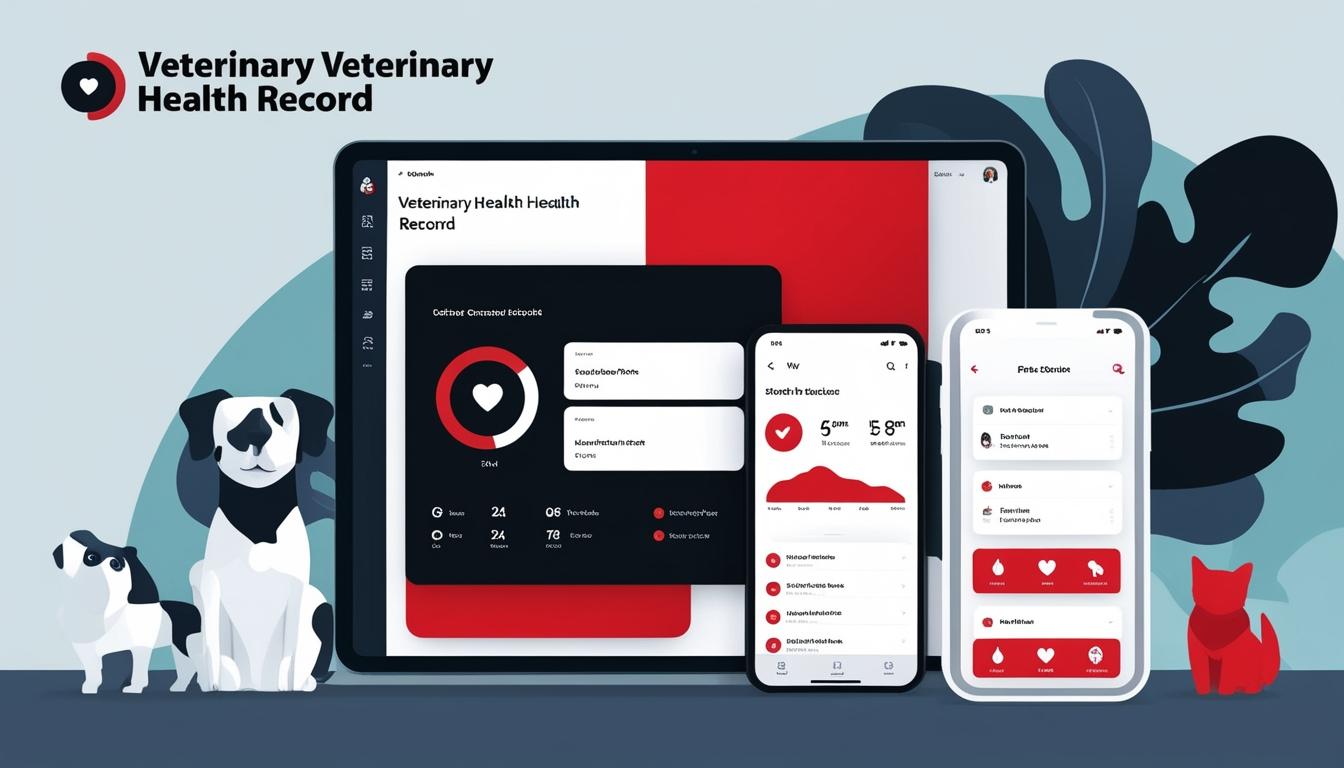
The veterinary industry is undergoing a significant transformation as technology continues to redefine business practices, with a particular focus on the adoption of digital health records and integrated payment systems. Recent developments in these areas not only streamline operations but also enhance the client experience, marking a substantial shift from traditional paper-based methods.
Historically, veterinary practices have relied heavily on manual record-keeping, which, while functional, often resulted in inefficiencies. Searching for patient histories, managing billing, and ensuring data accuracy consumed considerable time and resources. With the growth in client volume, maintaining these records became increasingly complex. The introduction of digital health records has fundamentally altered this landscape, allowing clinics to electronically store vast amounts of data, thus reducing errors and accelerating workflows.
One of the primary advantages of digital health records is enhanced record-keeping capabilities. This system offers an organised and easily accessible platform for storing patient information. Unlike traditional paper files, digital systems facilitate instant retrieval of essential documents such as medical histories, vaccination schedules, and treatment plans. This immediate access aids informed decision-making during consultations, as clinics can quickly reference the relevant information.
Moreover, automation in these digital systems plays a critical role in improving accuracy. Traditional manual data entries are susceptible to errors, whereas digital solutions help ensure that records remain precise and up-to-date. This accuracy is particularly vital in emergency situations where swift access to classified information can be life-saving.
Communication is another area significantly improved by these technologies. Digital platforms often incorporate features that enable seamless interactions between veterinary clinics and pet owners. Automated reminders for appointments, vaccination alerts, and post-treatment follow-ups can be efficiently managed, enhancing engagement and ensuring pets receive timely care.
Data security is also a top priority for modern digital health record systems. Utilising advanced encryption and secure storage methods is fundamental in protecting sensitive client information. As data breaches become increasingly common, this enhanced focus on security helps build trust between veterinary clinics and their clients.
In addition to digitising health records, payment integration systems provide a critical framework for simplifying financial transactions within veterinary practices. Current systems allow for the processing of various payment methods, including credit cards and mobile wallets. This flexibility caters to diverse client needs, ensuring a smoother checkout experience.
Real-time billing updates eliminate the need for manual invoicing, ensuring clients receive accurate invoices instantly and reducing the likelihood of discrepancies. Financial transparency is another key benefit, as these integrated systems often provide itemised invoices, giving clients clarity on costs and building trust in the practice.
The combination of digital health records and payment integration creates a unified system that maximises efficiency in veterinary care. For instance, clients can pre-fill forms online before their visit, significantly reducing wait times. Upon arrival, the system automatically retrieves the pet’s medical history and prepares billing details. During consultations, veterinarians can quickly access comprehensive medical histories, which facilitates quicker diagnoses and tailored treatment plans.
Nevertheless, integrating such advanced systems into veterinary practices does pose certain challenges. Financial concerns, staff training, and the migration of existing data are just a few obstacles clinics may face. However, with strategic planning and investment in scalable solutions, the adoption of digital tools is increasingly accessible.
Looking forward, the potential for further innovation in veterinary technology is vast. Emerging technologies, including artificial intelligence (AI), telemedicine, and wearable devices, are poised to revolutionise care delivery further. AI tools, for example, can assess patient data to forecast health trends and pinpoint potential issues, fostering a proactive approach to preventive care.
Telemedicine platforms facilitate remote consultations, increasing client convenience and expanding access to veterinary services. Furthermore, wearable devices for pets, which monitor vital signs and activities, generate data that seamlessly integrates into digital health records, providing veterinarians with a holistic view of a pet's health.
As the veterinary sector continues to embrace these advancements, the implementation of digital health records and integrated payment systems signifies a substantial shift towards more efficient, accurate, and client-centric care. The evolving landscape of veterinary technology stands to benefit not only the healthcare providers but ultimately leads to better outcomes for patients and their owners.
Source: Noah Wire Services