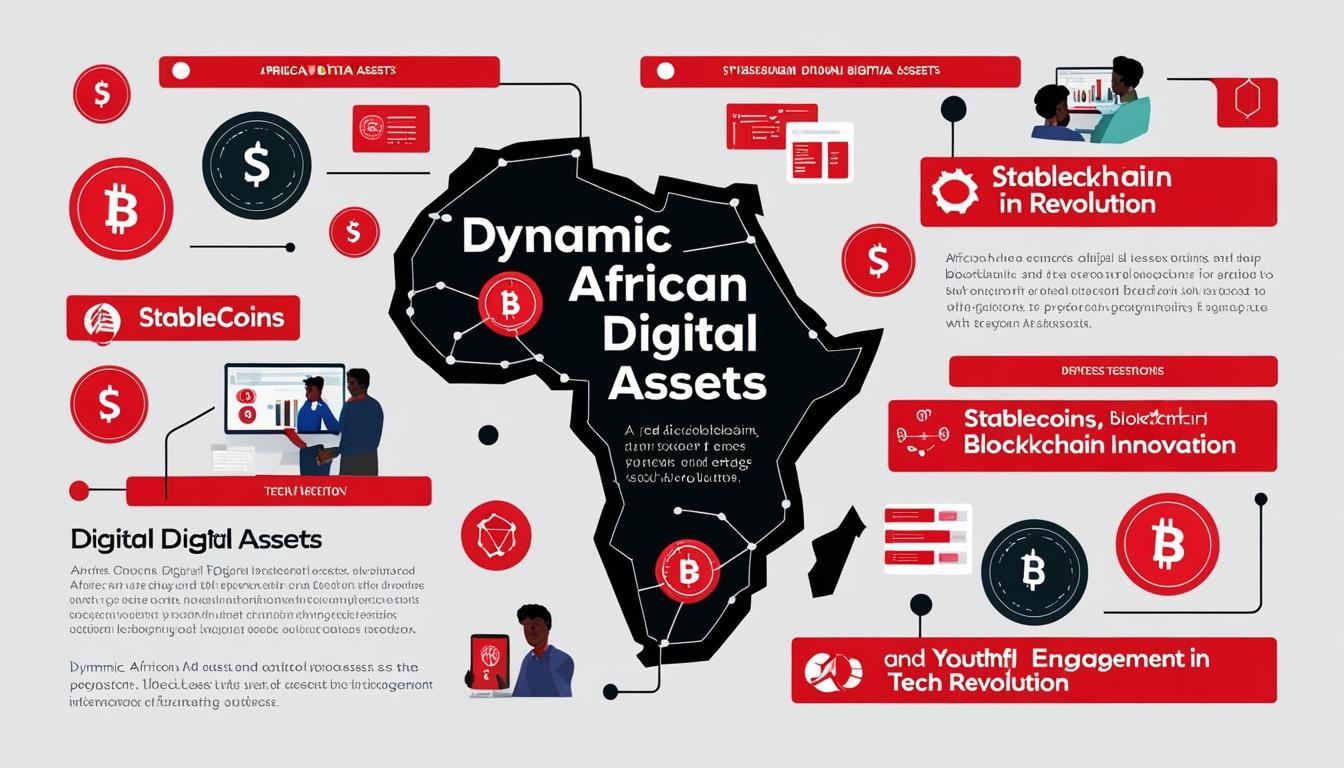
Africa's digital asset and blockchain sector has witnessed significant growth in 2024, undeterred by regulatory challenges or infrastructural issues that had previously hampered its development. This year marked a culmination of the sector's maturation, following a trajectory that began with its emergence in 2021 and subsequent advancements in 2022 and 2023. Now, as regulators become more engaged, virtual asset service providers (VASPs) that previously operated without oversight are facing closer scrutiny.
Data from the Consensys Web3 Perception report indicates that Nigeria and South Africa have emerged as global frontrunners in digital asset adoption. Particularly noteworthy is Nigeria’s position as it has achieved the second-highest adoption rate in the world, trailing only behind India, according to the 2024 Chainalysis adoption index. The continent has also seen a marked preference for stablecoins—a type of digital asset that mitigates price volatility—which now constitute over 40% of digital asset activity in Africa. This growth can largely be attributed to their functionality in cross-border payments, making them particularly appealing within the region.
Social media platforms, especially Telegram, have contributed to this ascent in adoption. A report by Seychelles-based exchange Bitget underscores this trend, revealing that digital asset-focused Telegram groups in Africa experienced nearly a 200% growth, leading to millions of users engaging in digital asset discussions and transactions.
These developments extend to national policy initiatives, with central banks in the region increasingly recognising the benefits of blockchain technology. The South African Reserve Bank, for example, has outlined a digital payments roadmap that places emphasis on stablecoins and tokenisation. Similarly, African leaders are advocating for blockchain adoption at a governmental level to enhance efficiency and combat corruption. Ghana's Vice President Mahamudu Bawumia has publicly endorsed blockchain as a pivotal technology in addressing graft, while Nigeria's Anti-Graft Agency is exploring its potential to mitigate corruption in the nation's economy.
In Nigeria, blockchain adoption continues to gain momentum, with the nation training thousands of individuals each year in blockchain technologies and artificial intelligence (AI). The country is also at the forefront of developing its sovereign blockchain network, known as Nigerium. A recent highlight in this arena was the launch of KitePesa, a stablecoin in Uganda backed one-to-one by the local currency. Reginald Tumusiime, the leader of the Blockchain Association of Uganda and the developer of KitePesa, underscores its benefits over traditional mobile money systems, citing lower transaction costs and improved security.
While the adoption of digital assets and blockchain technology has surged, regulatory measures have also intensified in response to the expanding industry. In Nigeria, the Economic and Financial Crimes Commission (EFCC) has actively targeted unlicensed offshore exchanges. Binance has been specifically implicated, facing allegations of facilitating significant financial misconduct within the country, including a claim of laundering over $35 million. This crackdown led to the shutdown of unlicensed operations that had provided alternative forex market access through stablecoins.
Contrastingly, South Africa has taken a more liberal approach, issuing extensive licenses to VASPs as part of efforts to formalise the sector and provide investor protections. The central bank of Ghana has also introduced draft guidelines aimed at overseeing VASPs, while Kenya has initiated a cryptocurrency working group to address the regulatory challenges posed by the expanding digital asset landscape. Notably, Kenya reported a tax income of over $78 million from the sector this year.
As Africa progresses into 2025, the trajectory for its digital asset and blockchain industry appears promising. With regulators now licensed several exchanges for the first time and others in the region preparing to implement frameworks, the visibility of previously unregulated VASPs will increase. The growing technological aptitude of Africa’s youth and ongoing educational initiatives are expected to further enhance the continent's position in the global digital asset landscape.
The future promises to be characterised by continued adoption and innovation, as Africa's burgeoning digital economy seeks to navigate the complex interplay of regulation and technological advancement.
Source: Noah Wire Services