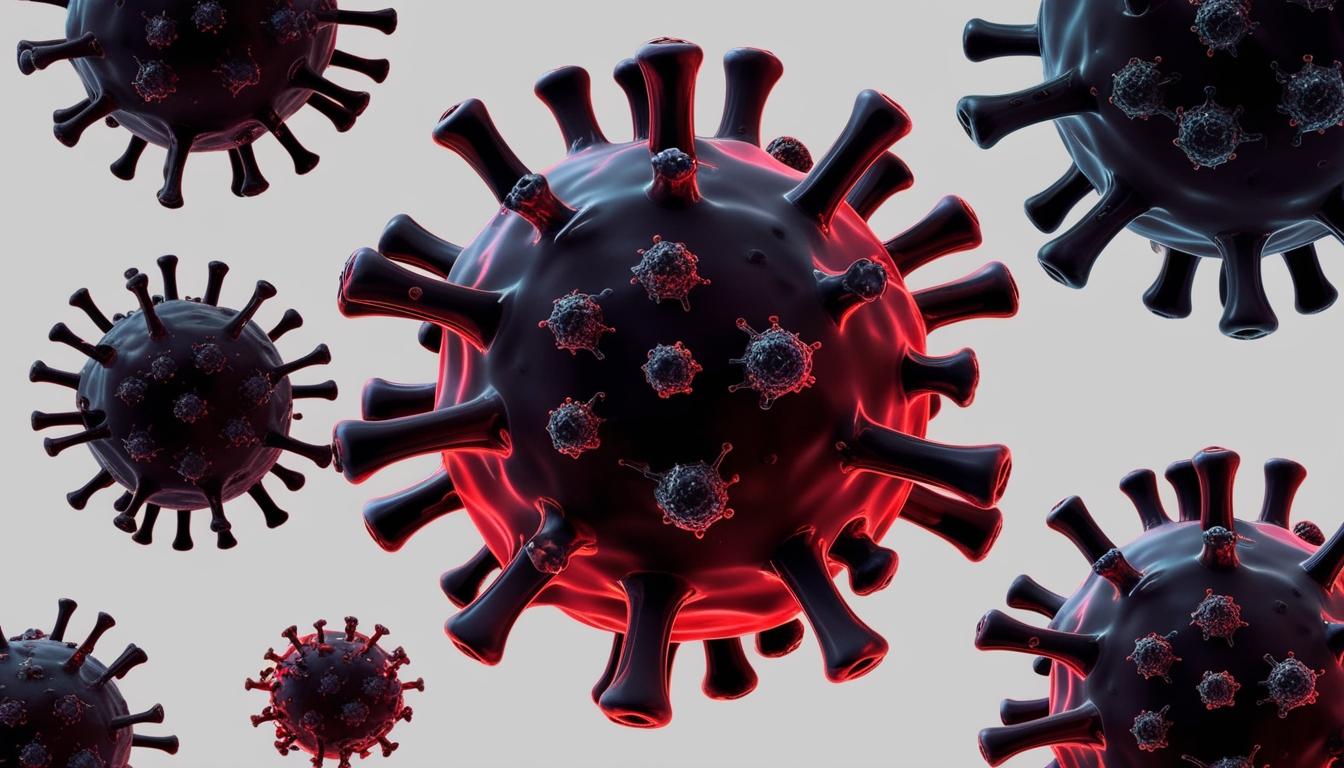
In a significant advancement in the field of biotechnology, a team led by Professor Sangmin Lee from POSTECH's Department of Chemical Engineering has made strides in therapeutic development by using artificial intelligence (AI) to design artificial proteins that mimic the structures of viruses. Collaborating with Professor David Baker, a 2024 Nobel Chemistry Laureate from the University of Washington, this research was published in the esteemed journal Nature on December 18.
Viruses are inherently designed to encapsulate genetic material within their spherical protein shells, a feature that enables them to invade host cells and propagate, often leading to diseases. This unique mechanism has inspired researchers to explore creating artificial proteins that can emulate viral behaviour, thereby developing "nanocages" that can effectively deliver therapeutic genes to designated target cells. Despite the promising potential of existing nanocages, they encounter challenges due to their small sizes, which limit the quantity of genetic material they can hold, as well as their simplistic designs that do not replicate the multifunctionality found in natural viral proteins.
To overcome these existing limitations, Professor Lee and his team harnessed the power of AI-driven computational design. This approach allowed them to mimic the nuanced asymmetries found within naturally occurring viruses – a feature that adds complexity and functionality. The team successfully designed nanocages in diverse shapes, including tetrahedral, octahedral, and icosahedral configurations for the first time, showcasing the versatility of AI in biodesign.
The newly designed nanostructures are composed of four distinct types of artificial proteins, forging intricate architectures featuring six unique protein-protein interfaces. Of particular note is the icosahedral structure, which can encapsulate up to three times more genetic material than traditional gene delivery systems, such as adeno-associated viruses (AAV). This represents a substantial advancement in the field, particularly for gene therapy applications.
The precision of these AI-designed structures has been confirmed through electron microscopy, validating that the symmetrical designs were achieved as intended. Functional experiments have further established the efficacy of these nanostructures in delivering therapeutic payloads to target cells, indicating promising pathways for practical medical applications.
"Advancements in AI have opened the door to a new era where we can design and assemble artificial proteins to meet humanity's needs," said Professor Sangmin Lee. "We hope this research not only accelerates the development of gene therapies but also drives breakthroughs in next-generation vaccines and other biomedical innovations."
Prior to this current endeavour, Professor Lee served as a postdoctoral researcher in Professor Baker's laboratory at the University of Washington for nearly three years, beginning in February 2021 and concluding in late 2023, before transitioning to POSTECH in January 2024.
The study has been funded by several Korean government initiatives, including the Ministry of Science and ICT under the Outstanding Young Scientist Program, as well as the Nano and Material Technology Development Program and the Global Frontier Research Program. Additional support has been provided by the Howard Hughes Medical Institute (HHMI) in the United States, reflecting the international collaboration and investment in the pursuit of innovative medical solutions driven by AI technology.
Source: Noah Wire Services