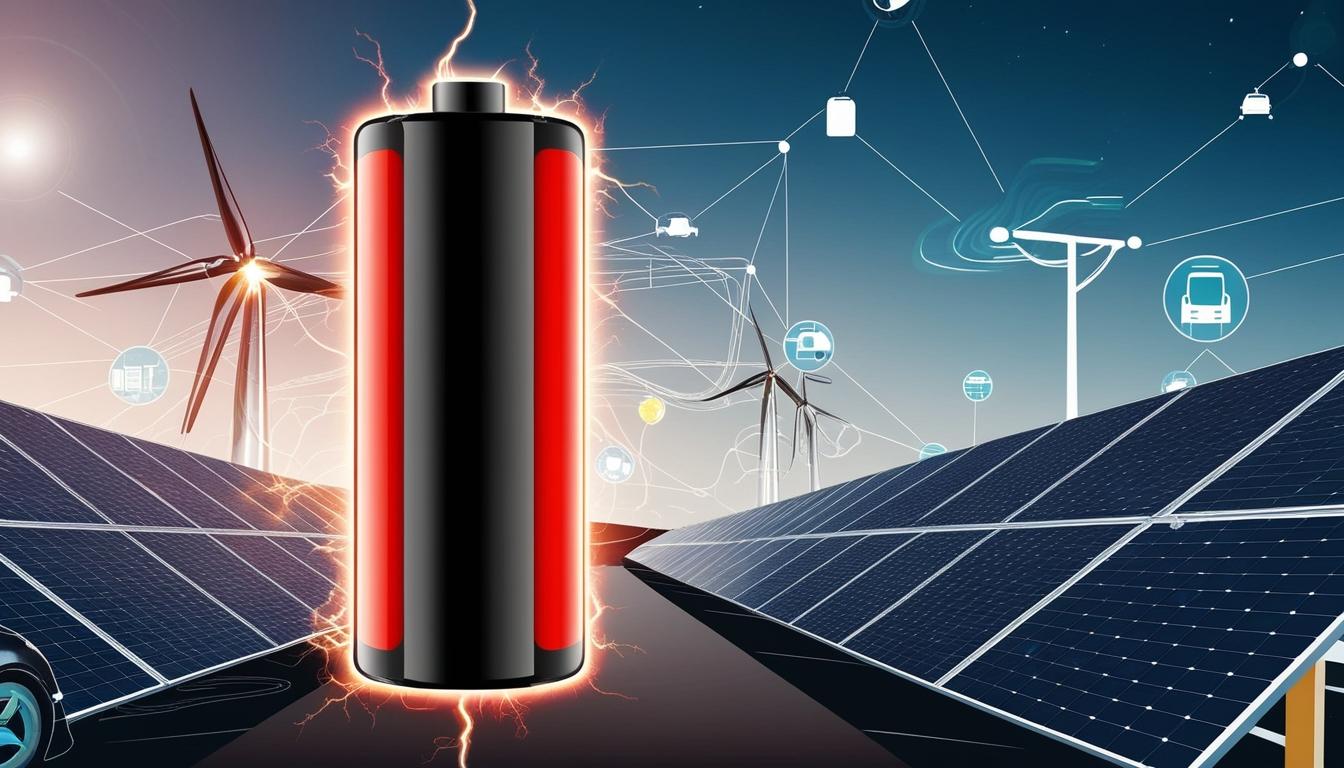
Batteries are poised to play a pivotal role in the energy landscape as 2023 and 2024 witness significant changes in their affordability and deployment across various sectors. Lithium-based batteries have shifted from being considered a costly innovation to an accessible technology on the cusp of widespread consideration for energy storage solutions. The ongoing advancements have been attributed to dramatic reductions in production costs and enhanced manufacturing capacities.
The advantages of battery technology are multi-faceted. With the ability to deliver power in milliseconds, batteries operate similarly to reaction control systems used in spacecraft, a characteristic that was notably demonstrated during the world’s first large-scale battery installation in Australia, which successfully prevented a blackout by responding swiftly to demand fluctuations. As the publication pv magazine highlights, Australia has reduced the necessary response time for power plants from 30 minutes down to just five, thanks to the integration of batteries and grid-forming inverters.
The trend towards battery distribution is also gaining traction. For example, Vermont successfully implemented a combination of residential and grid-scale batteries in 2018, resulting in substantial savings for consumers. In a further illustration of this distributed energy model, Sunrun successfully established one of the first virtual power plants in the United States by integrating over 5,000 residential solar and storage installations.
Envisioning the future, if the United States were to see 300 million electric vehicles, each with an average battery capacity of 75 kWh, the collective energy storage available would be enough to power the entire country for two days. This scenario reflects a trend towards widespread connectivity between electric vehicles and the energy grid. Moreover, residential, commercial, and industrial buildings are increasingly being outfitted with batteries, creating a vast network of energy storage solutions capable of responding to shifting demands more effectively.
Innovations in battery technology are also extending to everyday appliances, where devices are being equipped to not just consume but also generate and manage energy. The advent of integrated battery systems in high-demand appliances, such as induction stovetops, is a case in point. Companies like Impulse Labs are leading this charge, helping to alleviate the demand on existing power infrastructure by providing supplementary power during peak periods.
The cost trajectories for these energy solutions mirror those seen in the solar industry. Recent developments indicate bids for fully installed battery systems in China have fallen to around $60 per kWh, signalling a shift in potential pricing models. Projections indicate that by 2024, the world may experience its first terawatt of energy storage deployment, significantly driven by sales of electric vehicles and broad energy storage system introductions.
Speaking to pv magazine, renowned energy modeler Dr. Jesse Jenkins noted the importance of pricing in baseload energy discussions: “No price provides baseload, as that requires continuous discharge. If you mean what price permits multi-day storage that allows wind+solar to displace firm capacity, then $1-10/kWh is what we found here. $20-30/kWh would eat into it.” This perspective emphasises the ongoing dialogue regarding battery storage's role in achieving energy transition goals.
Nevertheless, the future of energy storage is not without its uncertainties. The potential for solar, wind, and energy storage to meet global energy demands exists, yet the evolution and integration of these technologies will rely on regulatory, economic, and technological advancements. Historical underestimates of solar capacity, documented by the International Energy Agency's past projections, reflect the unpredictability of technological adoption rates.
Overall, while the journey towards a more battery-integrated energy system faces challenges, the possibilities for innovation, cost reduction, and improved energy management present significant opportunities for advancing energy resilience. As the sector evolves, the integration of various energy technologies promises to play a vital role in shaping a cleaner and more reliable energy future.
Source: Noah Wire Services