Businesses are currently navigating a complex landscape regarding generative AI, with many opting to delay or reconsider their investments due to escalating concerns over its ethical implications. A survey conducted by the IBM Institute for Business Value reveals that more than half of organisations—56%—are putting off significant investments in generative AI until there is greater clarity on the regulatory and standardised frameworks governing its use. Furthermore, a noteworthy 72% of these businesses are prepared to forfeit the perceived advantages of generative AI due to ethical apprehensions.
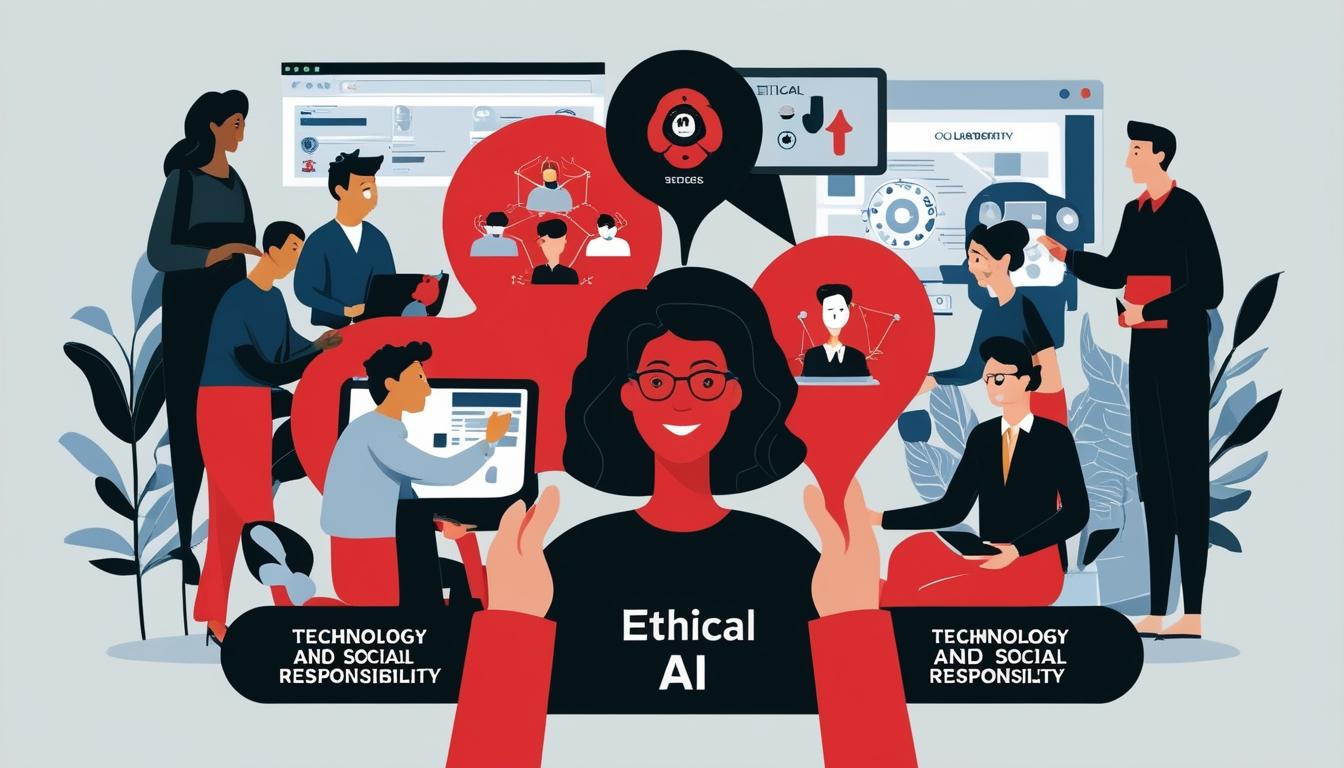
The underlying challenges posed by AI have transcended beyond mere technological hurdles; the ethical considerations surrounding AI now take precedence. Phaedra Boinodiris, the global leader for trustworthy AI at IBM Consulting, articulated the need for a shift in perspective during a recent podcast, stating, "creating ethical AI is not strictly a technical problem but a socio-technical problem." She emphasises the importance of involving a wider range of business stakeholders—not solely those within IT and data management—in the design and management of AI systems.
In order to develop responsibly curated AI models, Boinodiris suggests that teams need to feature a diverse array of professionals beyond just data scientists. She asserts, "the team designing the model should be multidisciplinary rather than siloed," calling for the inclusion of experts from linguistics, philosophy, and even individuals with varied backgrounds who can provide unique insights and experiences. The ideal AI team structure should engage with critical questions such as the relevance of the AI solution to the intended problem, the appropriateness of the data being used, the potential unintended consequences of the AI technology, and strategies to mitigate these effects.
Despite the growing wariness surrounding ethical AI, a significant proportion of business leaders recognise its potential as a competitive advantage. Current findings reveal that 75% of executives regard AI ethics as a vital differentiator in the market, with 54% expecting it to hold substantial strategic importance. This perspective is reflected in consumer and employee sentiments, with over 85% of individuals surveyed expressing a commitment to the ethical facets of AI.
According to the IBM report, engaging with AI ethics can yield three types of return on investment (ROI) that businesses should consider. The economic impact relates to tangible financial gains such as cost savings and enhanced revenue; this may also include risk management strategies that prevent the potential for regulatory penalties. The capabilities impact speaks to the long-term advantages of ethical considerations in AI, fostering infrastructure and platform developments that promote innovation. Lastly, the reputational impact encompasses the intangible benefits associated with a robust AI ethics framework, which can enhance an organisation’s standing with stakeholders including employees, customers, and the wider community.
However, many executives and managers remain inadequately informed about the substantial benefits linked to ethical AI initiatives. Boinodiris advocates for a proactive education strategy, encouraging businesses to educate their senior leadership on the differences between loss aversion and the value-generation potential inherent in AI ethics. She suggests that businesses should leverage AI technology and infrastructure to foster broader implementations that align with ethical practices across various platforms.
As organisations continue to wrestle with the implications of AI, the pressing need for comprehensive strategies that encompass both technological advancement and ethical responsibility is becoming increasingly clear. The evolving dialogues around AI ethics signal a pivotal moment for businesses, urging them to adopt holistic approaches that consider the broader societal impacts of their AI systems.
Source: Noah Wire Services