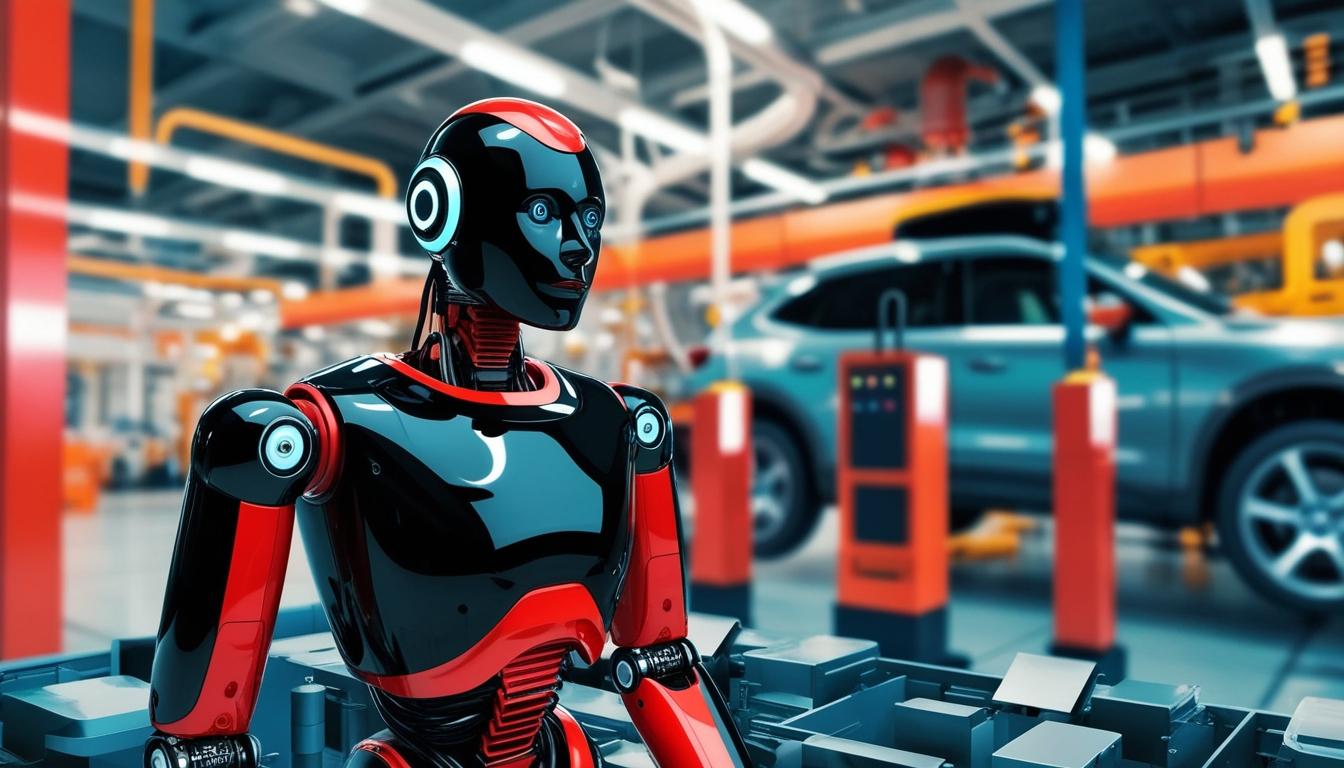
Chinese automaker BYD is making headlines with its ambitious venture into humanoid robotics, a move that highlights a significant evolution in the automotive industry towards the integration of artificial intelligence (AI). This initiative, reported by multiple local media outlets, is part of a broader effort to reshape the company’s operations and embrace the potential of embodied AI technologies.
The foundation of this strategic initiative lies within BYD’s 15th business unit, which was previously known as FinDreams Technology. Following a comprehensive restructuring, this unit has been redefined to not only enhance automotive components but also to spearhead the development of humanoid robots and other AI-driven solutions. The establishment of a new AI lab, termed the "Future Lab," marks a commitment to advanced research in robotic technologies.
In an effort to accelerate innovation, BYD is actively seeking to recruit top talent globally, particularly targeting recent graduates with advanced degrees. The company is offering competitive salaries and attractive job opportunities to draw in skilled professionals who can contribute to its pioneering robotics initiatives. Initially, the focus will be on the development of industrial robots, specifically automated guided vehicles (AGVs), while other robotic designs are in preliminary research stages.
One of the notable collaborations within this emerging robotics landscape is between BYD and UBTech Robotics, which has begun integrating humanoid robots into the automaker's production facilities. This partnership not only enhances manufacturing efficiencies but illustrates the potential for advanced robotics to transform industry practices. The intersection of humanoid robotics and automotive manufacturing is becoming increasingly relevant, as various manufacturers explore this technology to improve operational processes.
Another significant player in this movement is Tesla, which is rapidly evolving beyond its identity as an electric vehicle manufacturer. According to insights reported by "La Noticia Digital," Tesla is harnessing AI to enhance various aspects of its operations, including its Full Self-Driving (FSD) technology. This shift indicates a broader trend within the market, as Tesla aims to reshape its future with innovations that extend into sectors such as energy systems and urban air mobility.
Tesla's initiatives also encompass the implementation of AI in manufacturing processes, aiming to optimise production lines and enhance quality while reducing costs and waste. The new technologies in development could ultimately lead to groundbreaking advancements in consumer experiences and predictive maintenance, adding to Tesla's competitive edge in the automotive sector.
Both BYD and Tesla's explorations of humanoid robotics and AI exemplify a significant shift in the automotive industry landscape, suggesting an increasing reliance on intelligent automation. As major automakers embrace these technologies, analysts predict that the demand for humanoid robots will rise substantially, reshaping manufacturing operations, improving efficiency, and fostering innovation.
While the prospects are largely positive, there are also considerable challenges to be navigated. Industry participants may face high initial investments, regulatory complexities, and the technical difficulties associated with integrating advanced technologies into existing systems.
As BYD and other automotive leaders leap into the new age of robotics, the potential implications for improved manufacturing practices, market opportunities, and operational efficiencies remain vast. The evolution of these companies, underscored by advancements in AI and robotics, continues to suggest a transformative era not only for the automotive sector but across various industries that could benefit from intelligent automation.
Source: Noah Wire Services