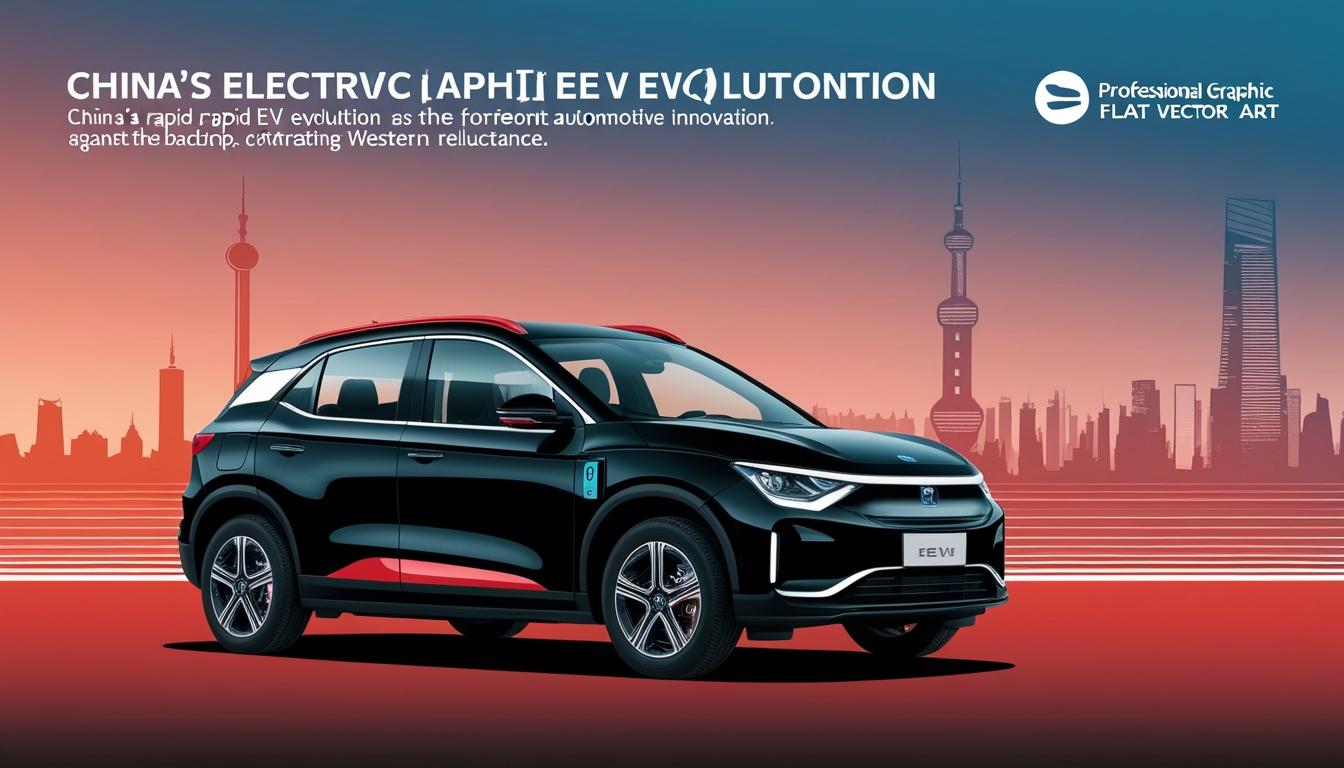
China's electric vehicle (EV) industry has experienced remarkable growth in recent years, transforming from a global laggard to a leading force in global EV sales within a mere five years. Recently reported by Electrek, this rapid progression is evidenced by the country nearing its own 2035 target for EV sales ten years ahead of schedule. Initially, in 2020, EVs constituted only 5.4% of China's car market, placing it behind regions such as California and Europe.
The shift began to gain momentum during the COVID-19 pandemic, prompting Chinese automakers to accelerate the production and quality of EVs. By embracing domestic manufacturing and adapting to changing consumer demands, China has become the top global exporter of automobiles in 2023, surpassing Japan, which had held the title for decades. This transformation marks a significant response to both domestic and international pressures shaping the automotive industry.
In January 2023, China revised its sales target from 50% EVs by 2035 to 45% by 2027, exceeding the new goal in less than a year. This swift turnaround can be attributed to a combination of strong national policy and consumer nationalism, emerging as Chinese citizens showed a preference for domestic brands amid geopolitical tensions.
In stark contrast, the situation in the West, particularly in the United States and parts of Europe, has demonstrated a reluctance to embrace these changes. Political friction and protectionist measures have slowed progress in transitioning to electric vehicles. President Biden's administration made strides towards advancing industrial policy conducive to EV production through initiatives like the Inflation Reduction Act, which aimed to bolster investment and create jobs in the sector. However, the imposition of large tariffs created concerns about complacency within the industry.
The shifting political landscape in the U.S. has added to these challenges. With former President Donald Trump's recent electoral success, questions arise about the feasibility of maintaining and advancing the existing momentum towards EV adoption. In his previous administration, there were notable challenges to cleaner air initiatives and substantial progress in preparing the U.S. for EV leadership.
There are notable examples of countries that have effectively met and surpassed ambitious EV targets, reinforcing the exponential nature of technological adoption. Norway, having already achieved over 90% electrification of its vehicle market by 2021, aims to eliminate sales of gas vehicles by 2025. This aligns with the understanding that as EV technologies reach a critical mass, consumers are more inclined to accept them, thereby driving mainstream adoption.
The ongoing transformation within China's automotive industry serves as a case study, highlighting the need for flexibility within other nations' policies. The question remains as to who will emerge as the frontrunners in this rapidly evolving global market: those that proactively adapt and innovate or those mired in bureaucratic stagnation and resistance to change.
Source: Noah Wire Services