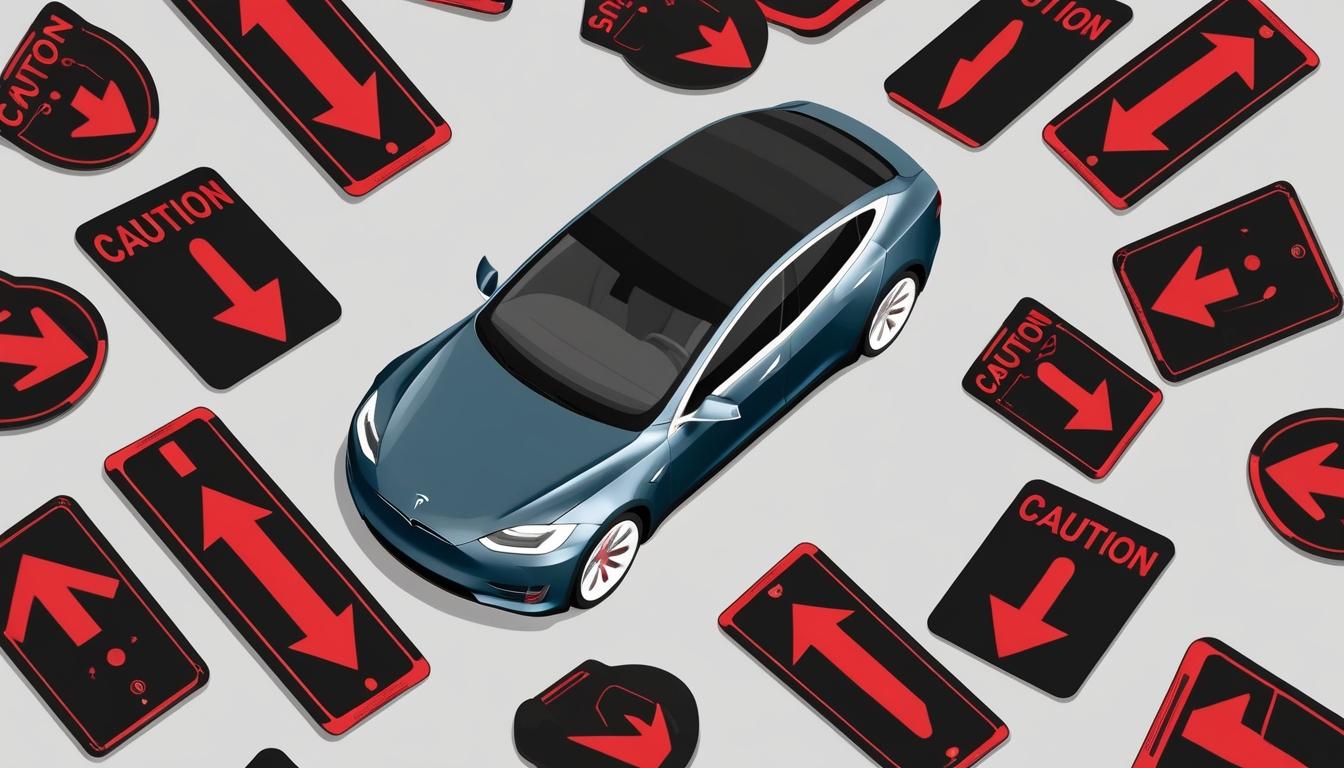
Recent events have reignited concerns over the safety of self-driving technology, particularly in the context of a serious incident in Maryland involving Tesla's Summon App. This feature allows users to remotely summon their vehicles via smartphone, representing a significant advancement in automotive automation, yet also raising questions about the reliability and safety of such technology in real-world scenarios.
As the automotive sector begins to embrace these automated solutions, the emphasis on safety has become increasingly critical. Reports surrounding the Maryland crash have highlighted the unpredictability associated with self-driving technology, prompting critics to voice their reservations. "Consumers are advised to proceed with caution," a source from motopaddock.nl indicated, reflecting the growing unease regarding the preparedness of features like the Summon App for widespread implementation amid complex driving conditions.
Experts in the field are calling for enhanced testing protocols to evaluate the safety of autonomous systems in varying environments. The mounting pressure for stricter regulations mirrors the rapid development of self-driving capabilities, as stakeholders aim to achieve a delicate balance between innovation and public safety. The ongoing progression towards full automation suggests that the automotive industry may need to adjust its strategies to incorporate more stringent safety measures.
The allure of self-driving vehicles remains strong, offering convenience and the potential to reduce traffic-related accidents caused by human error. However, the risks associated with such innovations cannot be overlooked. Understanding the functionality of the Summon App reveals both its advantages and drawbacks. While the capability of the app to automate parking and assist differently-abled individuals underscores the convenience of self-driving technology, the unpredictable nature of these systems raises significant concerns.
Current trends indicate that the pathway to fully autonomous vehicles will not be instantaneous. Experts predict that advancements will unfold gradually, necessitating continuous improvements in safety features. Nonetheless, it is anticipated that broader adoption of autonomous driving solutions may linger for decades as regulatory frameworks strive to keep pace with technological developments.
For consumers contemplating the integration of self-driving options into their daily lives, a cautious approach is paramount. Staying informed on the latest safety assessments and understanding the limitations of current technologies is vital. Furthermore, adhering to the guidelines provided by manufacturers regarding the usage of autonomous features could potentially mitigate risks.
As the industry progresses towards a future dominated by self-driving vehicles, the implications of the Maryland incident serve to highlight the crucial nature of safety in this evolving landscape. Emphasis on education and awareness surrounding self-driving technologies will be essential for consumers navigating these rapid advancements in the automotive sector.
Source: Noah Wire Services