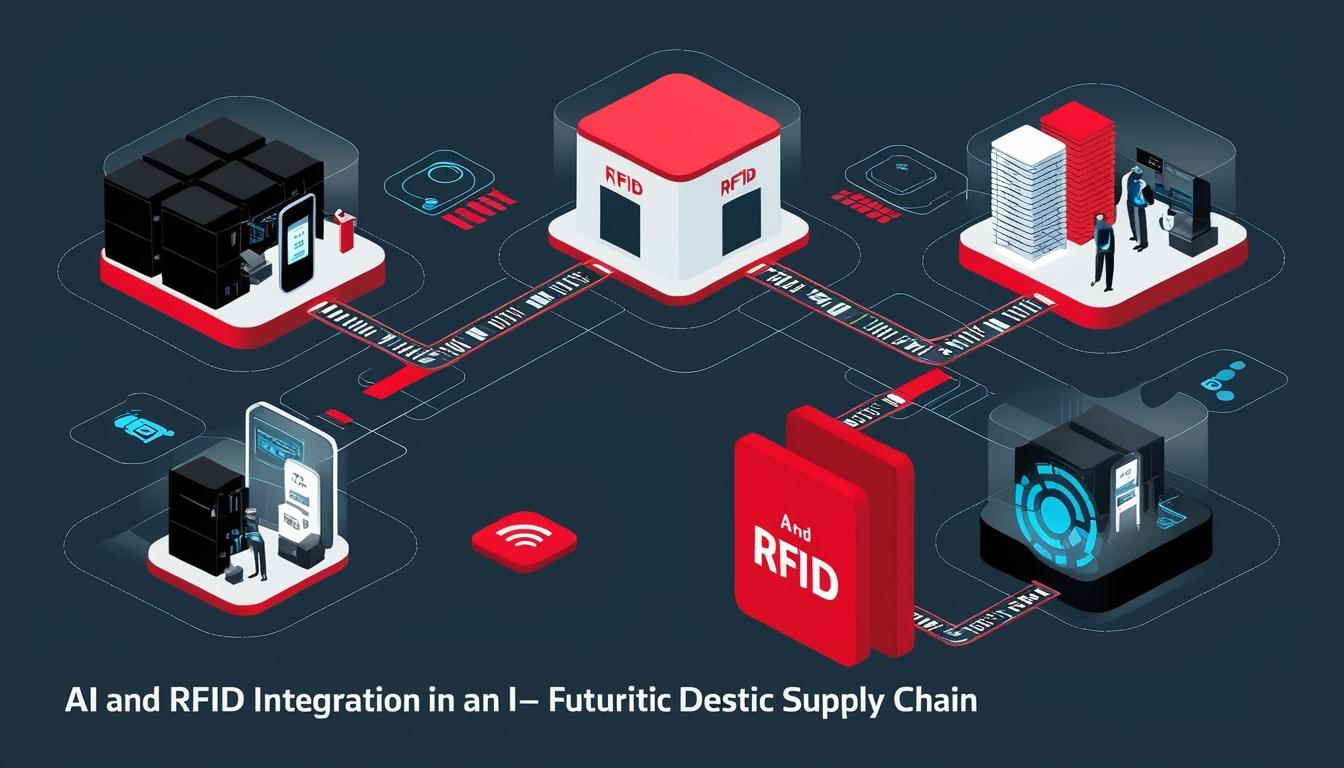
As 2024 draws to a close, RFIDJournal.com engaged industry experts to reflect on the advancements of the past year while forecasting trends for 2025. Michael Ochi, the Director of Product Marketing at QAD, offered insights on the integration of artificial intelligence (AI) with radio-frequency identification (RFID) technology in business operations.
Ochi highlighted the rising significance of AI in the business landscape, pointing to the necessity of high-volume, high-quality data as crucial for effective enterprise AI applications. He noted that RFID technology is inherently capable of collecting vast amounts of data, which enables organisations to mitigate variable human behaviours and create a reliable stream of quality input for AI systems.
One of Ochi's predictions focuses on the application of AI-driven process intelligence platforms. Such systems are able to analyse extensive data capacities to identify inefficiencies and root causes across critical operational networks, including warehouses and transportation systems. Ochi stated, "AI-driven process intelligence platforms can ingest massive amounts of data to discover, monitor and enhance operational and supply chain processes." This trend is anticipated to be particularly beneficial for manufacturing, supply chain, and retail sectors that may not have substantial budgets for AI-related experimentation.
Furthermore, RFID’s potential can be maximised when systems are implemented early in the supply chain. Ochi indicated that manufacturers with existing RFID capabilities could leverage AI to enhance the value of the data generated. This information could, in turn, inform strategic business decisions, allowing companies to market their RFID capabilities to B2B partners, thereby enabling new revenue streams such as data-as-a-service offerings.
In light of this, Ochi suggested that manufacturers and distributors should consider adopting Walmart's successful practice of tagging inventory upstream. By encouraging suppliers to implement RFID systems before goods reach their facilities, businesses may benefit from improved processes and strengthen their supply chain operations.
In addition to these insights, Ochi stressed the growing importance of active RFID within broader Internet of Things (IoT) frameworks. Active RFID tags equipped with sensors offer valuable data in scenarios where traditional connectivity is limited. Such information could be critical for predictive maintenance and field service operations, thus allowing organisations to identify risks proactively and mitigate potential issues ahead of time.
The advancements in computer vision technology are also noted, with Ochi asserting the complementary role of computer vision systems alongside RFID. Although computer vision requires a direct line of sight, its integration with RFID data can enhance inventory management and quality control processes. He elaborated, stating, "Good computer vision use cases rarely conflict with good RFID use cases... explore using RFID as an AI training partner."
Ochi concluded by endorsing the necessity for businesses to embrace these merging technologies, as they hold the potential to unlock levels of efficiency and profitability. The integration of AI and RFID technologies presents a compelling opportunity for organisations to optimise their processes, improve decision-making, and ultimately drive financial performance. As we prepare to enter the new year, businesses are reminded that the technological advances discussed must align with a broader strategy to enhance operations and workplace environments.
Overall, Ochi’s predictions form part of a larger narrative highlighting how businesses can strategically position themselves within the evolving landscape of AI and RFID technology, marking a pivotal moment for many industries navigating the complexities of automation and data utilisation.
Source: Noah Wire Services