Ibotta, a Denver-based company, has significantly influenced the retail and grocery landscape with its innovative cash-back rewards application that was designed to engage shoppers digitally. The app has attracted a substantial user base, having been downloaded 50 million times, with users receiving over $2 billion in rewards to date. In a recent discussion with The Shelby Report's Jan Meade, Ibotta's founder and CEO Bryan Leach highlighted the company's expansion and future plans, particularly at the Groceryshop 2024 conference in Las Vegas.
The application allows users to earn rewards by either scanning receipts or linking their store loyalty accounts. Ibotta has expanded its partnerships to include prominent retailers like Albertsons, Dollar General, H-E-B, and Walmart, effectively establishing a widespread digital promotions network. One notable development is the ability for Ibotta to run item-level offers across a broad spectrum of over 1,500 sub-retailers under the Instacart umbrella, which includes major chains such as Costco and Publix.
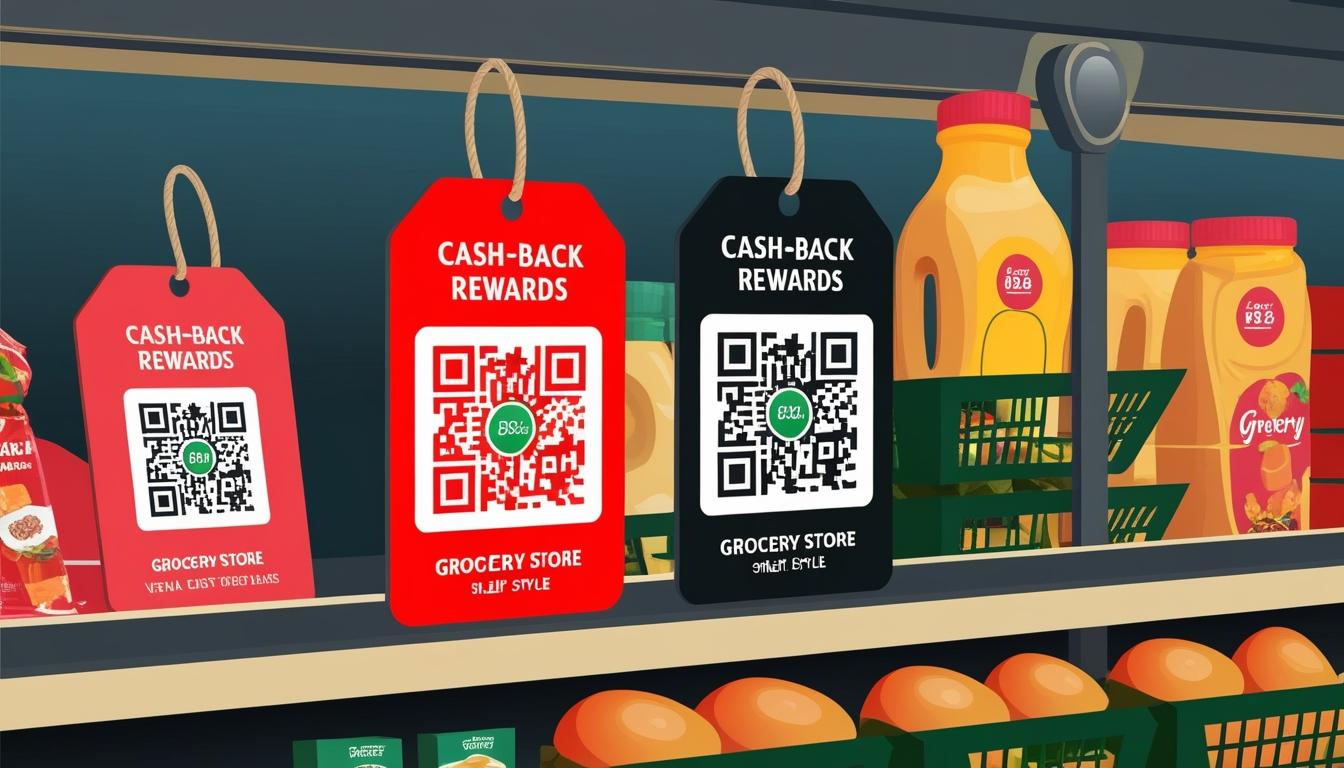
An integral component of Ibotta’s promotional strategy includes the utilisation of digital shelf tags, which are expected to gain traction in the retail sector. Leach noted Walmart's recent initiative to implement these digital tags in 4,600 of its stores over the coming years, although currently, less than one per cent of retailers globally employ this technology. Early adopters like Best Buy and Schnucks Markets have already embraced this trend. These digital shelf tags provide operational efficiencies, such as cost-effective restocking and real-time price updates but also offer enhanced capabilities to engage consumers directly.
In particular, Schnucks has incorporated functionality that alerts shoppers to digital coupons when they are near relevant products, facilitating a seamless shopping experience. Users can interact with offers via QR codes on the digital tags, allowing them to take advantage of deals effortlessly while shopping.
Additionally, Leach spoke about the future possibilities of incorporating geolocation capabilities through brands like Vusion, which would enable retailers to send tailored product recommendations directly to consumers' devices as they navigate the store. Such advancements may significantly influence consumer behaviours and enhance the shopping experience by offering targeted recommendations, potentially increasing sales.
The conversation also turned to the application of artificial intelligence (AI) in this evolving retail environment. Leach explained that AI could revolutionise how product offers are presented to consumers, moving away from a 'one size fits all' model to personalised promotions based on shopping behaviour. For example, shoppers who have previously purchased a product could receive specific cash-back incentives designed to encourage continued loyalty or expand their purchases.
With increasing computational power, the technology may eventually allow for instantaneous offer generation based on current shopping activity, as exemplified by Ibotta’s smart cart project at Schnucks. This integration of AI is poised to enable brands and retailers to optimally navigate promotional strategies by relying on data-driven insights in real-time.
Bryan Leach's insights underscore ongoing trends in AI and automation within the retail sector, demonstrating how technology is shaping consumer engagement and operational efficiency, while also highlighting the exciting potential for an even more interconnected shopping experience in the near future.
Source: Noah Wire Services