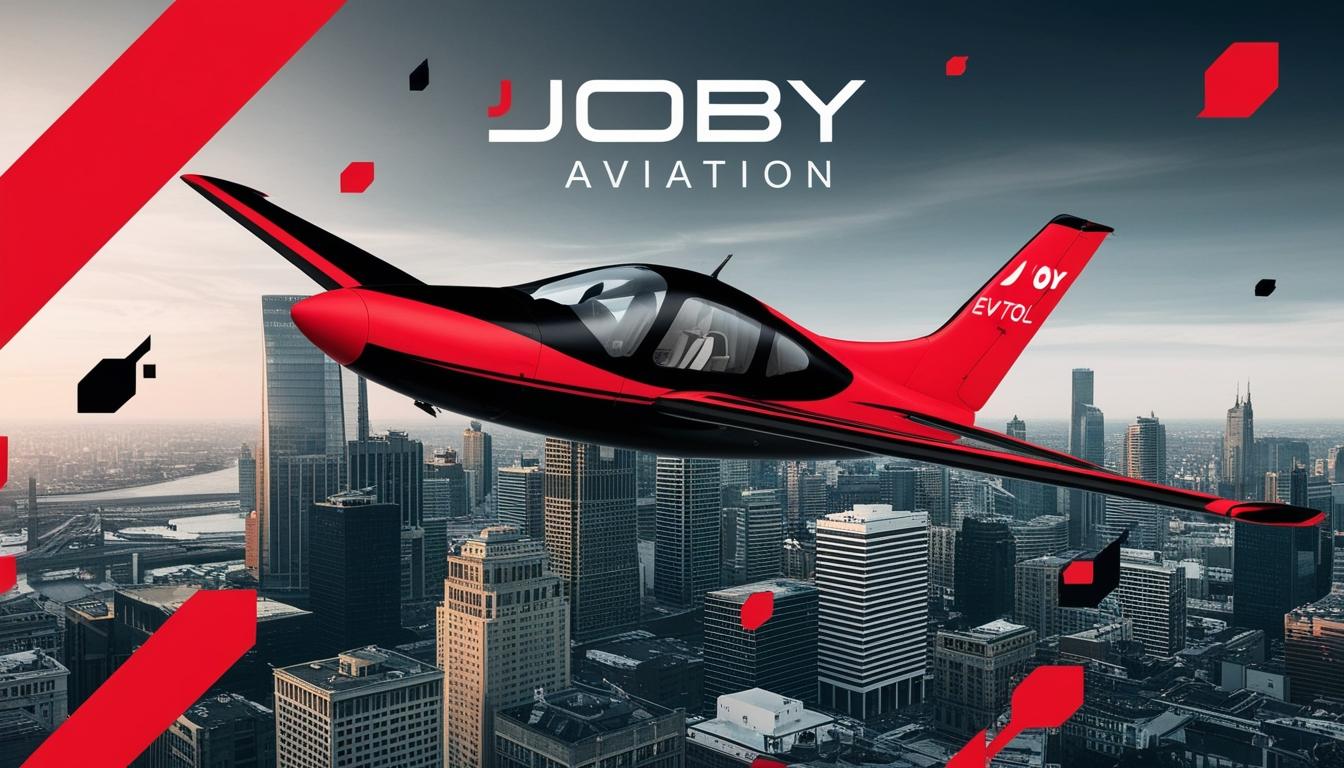
On November 1, 2023, Joby Aviation achieved a significant milestone in the field of urban transportation when its electric vertical take-off and landing (eVTOL) aircraft successfully completed its inaugural test flight over Japan. This momentous event marks the first time an eVTOL test flight has occurred outside the United States, underscoring the anticipation surrounding this innovative flying car that seeks to revolutionise urban travel.
Joby Aviation’s CEO, JoeBen Bevirt, has been closely collaborating with Akio Toyoda, Chairman of Toyota, since 2019, sharing a vision to advance air mobility worldwide. Bevirt articulated during a press briefing following the test flight that this event signifies the true commencement of their partnership. He remarked that their joint efforts aim to enhance air mobility through “quiet, safe, and zero-emission flights” for both commuting and leisure purposes.
The legacy of innovation at Toyota, built over the course of nearly a century, has played a pivotal role in shaping the air mobility sector, with figures such as Sakichi and Kiichiro Toyoda significantly impacting its direction. The application of the Toyota Production System in the manufacturing of Joby’s eVTOL is expected to ensure high standards of precision and quality, essential elements for the success of commercial operations.
As plans for launching flying taxi services in Dubai by 2026 take shape, the collaboration between Joby Aviation and Toyota is seen as a critical step towards making air travel accessible for the general public. A subsequent demonstration following the test flight showcased the engineering accomplishments and visionary aspirations that underscore the future of urban mobility.
The Joby eVTOL is uniquely positioned to tackle various urban transportation challenges with its innovative design, which merges features from helicopters, drones, and traditional airplanes. This aircraft operates on zero-emission electric power, significantly reducing urban air pollution. Additionally, it is engineered to operate at quieter levels than conventional aircraft, making it suitable for densely populated urban settings where noise pollution is a concern.
The eVTOL also enables rapid transit by bypassing road congestion using its vertical take-off and landing capabilities. This technology is being eyed for multiple use cases, including quick commutes between major business districts, assisting emergency services by transporting first responders or patients from remote areas, and offering scenic aerial tours for tourists.
As the demand for urban air mobility grows—spurred by increasing urbanisation and traffic congestion—the global eVTOL market is projected to reach $1.5 billion by 2030. The anticipated rollout of flying taxi services in cities such as Dubai represents a significant step toward broader adoption. Future pricing models are still under development, but there is an expectation that rides may be competitively priced compared to traditional taxi services as fleets become operational.
However, the path to widespread adoption of eVTOL technology faces several hurdles. Regulatory challenges will be a key consideration as aviation regulations evolve to accommodate such innovations, alongside the need for urban infrastructure development to support safe takeoffs and landings. Gaining public trust regarding the safety and reliability of eVTOL services will also be essential for wider acceptance in the market.
As Joby Aviation continues to advance its vision of urban air mobility, the implications of this technology on future transportation practices in congested cities remain to be fully realised, capturing the interest of both industry stakeholders and potential consumers alike.
Source: Noah Wire Services