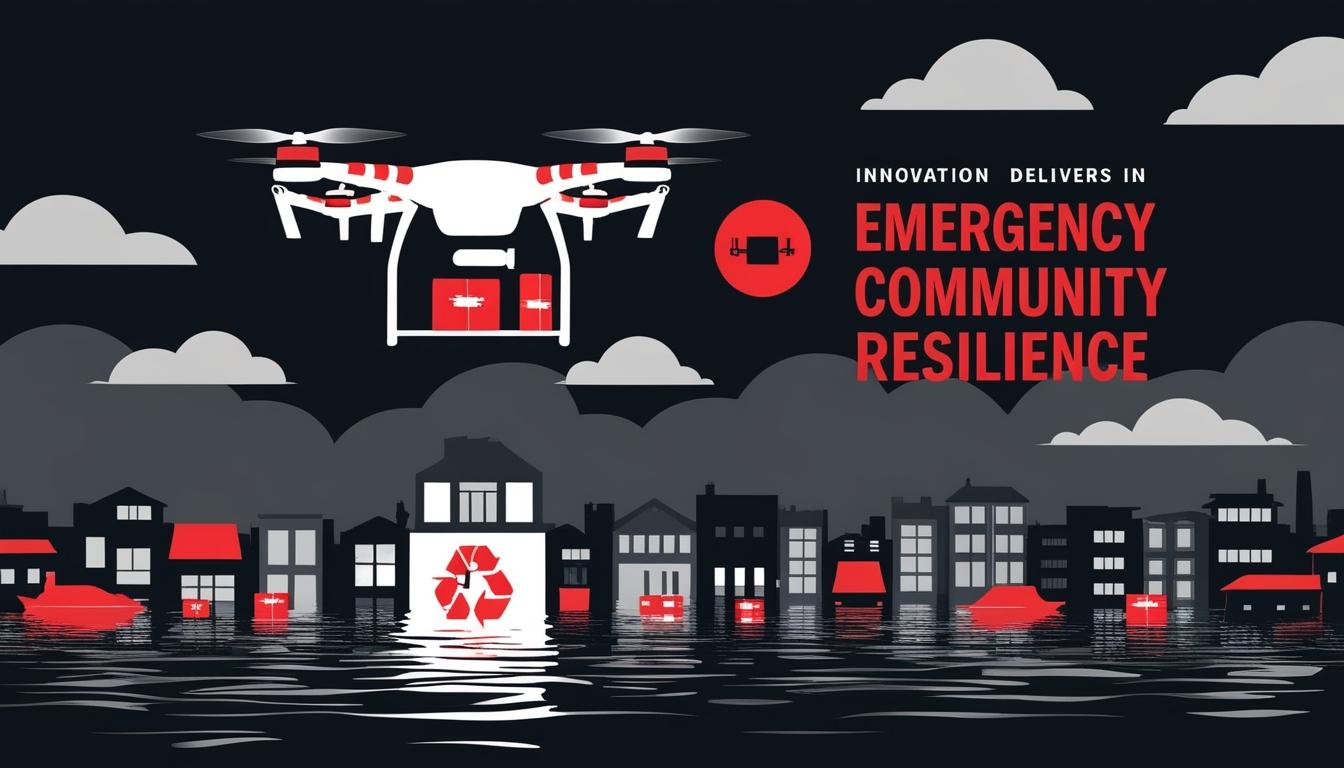
North Carolina is set to launch a new drone initiative aimed at enhancing disaster response efforts, particularly in light of the adverse effects of hurricanes in the region, such as those experienced during Hurricanes Helene and Florence. The initiative has received substantial backing in the form of a $1.1 million grant from the U.S. Department of Transportation. This funding is part of a broader endeavour to improve mobility and transportation safety, enabled by the Bipartisan Infrastructure Law, and is being awarded through the Strengthening Mobility and Revolutionizing Transportation (SMART) Grants Program.
The North Carolina Department of Transportation (NCDOT) announced that this programme is one of 47 recipients nationwide, highlighting the government's commitment to improving disaster management capabilities. The initiative aims to facilitate quicker delivery of emergency supplies and expedite damage assessments in communities affected by natural disasters.
Nick Short, interim director of North Carolina's Division of Aviation, underscored the potential benefits of this innovative technology, particularly through the use of “drone-in-a-box” systems that allow for remote operations. "With the ‘drone in a box,’ we can place a drone with medicine like insulin on the side of a road and then those supplies are there and ready to be deployed right away,” Short stated in a conversation with Police1. He elaborated that this approach enables the rapid deployment of drones to start collecting critical data and delivering supplies immediately, alleviating the need for personnel to travel into potentially hazardous areas.
The pilot phase of the “drone-in-a-box” programme will commence in Lumberton, a city that has historically struggled with the consequences of severe weather events. Short pointed out that the initiative specifically targets the needs of underserved communities which are often disproportionately impacted by storms. “These storms tend to impact people in historically disadvantaged communities where roads and other infrastructure become inundated faster and for longer periods of time than many other communities,” he mentioned, referencing the significant challenges Lumberton faced during Hurricane Florence.
Aviation officials are optimistic about building on their previous successes, especially following their deployment of drones during Hurricane Helene. The NCDOT collaborated with the North Carolina Department of Public Safety, the National Guard, and the Civil Air Patrol to utilise drones, alongside helicopters and fixed-wing aircraft, to capture thousands of images of regions that were inaccessible by land.
The approach taken by North Carolina’s drone initiative reflects a significant shift in disaster management as agencies integrate advanced technologies to address evolving challenges posed by climate change and increasing storm intensity. The forward-looking initiative aims not only to meet current needs but to prepare communities for the future, thereby enhancing resilience in the face of natural disasters.
Source: Noah Wire Services