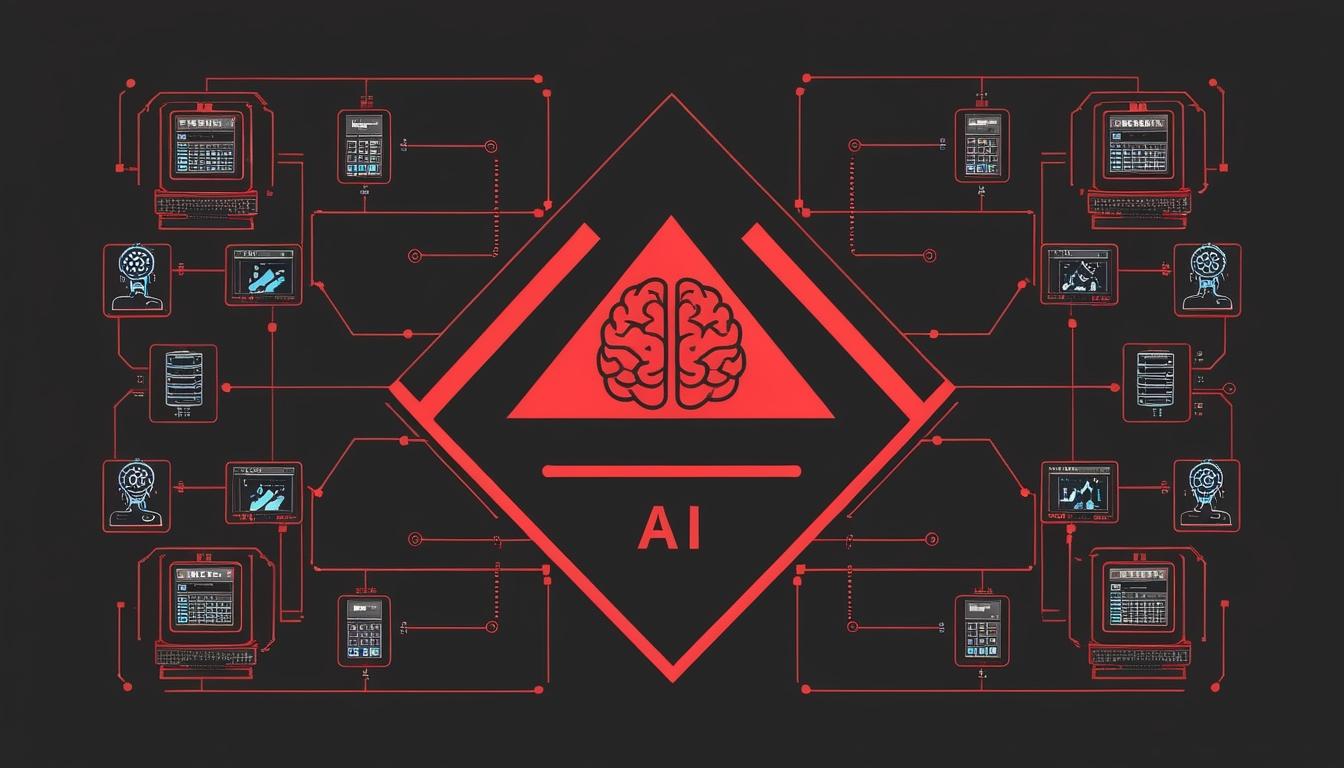
In 2024, the Pentagon has made significant strides in its ongoing initiative to integrate artificial intelligence (AI) into military command and control, focusing on software solutions designed to enhance operational efficiency rather than traditional weaponry. As the theatre of modern warfare continues to evolve, these AI-powered tools aim to assist military leaders in managing complex and rapidly changing situations across air, land, sea, space, and cyberspace.
One of the cornerstones of this initiative is the Combined Joint All-Domain Command & Control (CJADC2) system, which seeks to facilitate swift and effective data sharing among the military's various operational headquarters. In February 2024, Deputy Defense Secretary Kathleen Hicks announced the "Minimum Viable Capability" (MVC) of CJADC2, a development termed after a concept familiar in the software industry. This initial version was certified in December 2023 but only made public a few months later. It primarily aims to streamline communication among the 11 four-star operational commands, with plans to scale its capabilities further.
A notable component of CJADC2 is the Joint Fires Network (JFN), which automates the complex decision-making processes involved in fire control using the military's extensive arsenal of long-range weaponry. The network is being developed to assist commanders by suggesting target selection and operational strategies based on real-time data, significantly reducing the lag time traditionally associated with manual processes. Although still in prototype, the JFN garnered positive feedback during June's Valiant Shield wargames in the Pacific, with an operational version expected to be ready by early 2025.
Additionally, the Pentagon is turning its attention to decentralising data sharing between frontline units. In September 2024, it was announced that the Department of Defense (DoD) secured a $100 million contract with Anduril, aimed at deploying a tactical "Lattice Mesh" system that allows varied digital systems among military units to communicate directly. This system utilises translation algorithms to process and understand sensor feeds from over a hundred different devices, enabling rapid, autonomous responses in the field, an essential capability as military operations face increasing threats to communication networks.
Furthermore, the DoD is exploring an innovative "federated" approach to technology development, which contrasts significantly with conventional procurement practices that often lead to vendor lock-in and compatibility issues. The Chief Digital and AI Office introduced the Open DAGIR framework in May, designed to facilitate a modular approach to software systems. This allows multiple contractors to contribute various components that seamlessly connect, resembling a LEGO-like model for military technology.
Looking ahead, the effectiveness of these AI technologies in combat scenarios hinges on their integration into military culture and the human ability to leverage them effectively. Military analysts suggest there may be a comparative advantage for the United States stemming from its culture of initiative and improvisation, contrasting with the more centralised control seen in some adversarial nations like China. The pressing challenge will be to ensure these AI systems empower individual decision-makers on the battlefield rather than creating a reliance on centralised command structures.
This multi-faceted effort by the Pentagon underscores a growing belief that the future of warfare increasingly relies on organisational capabilities, technological sophistication, and the speed at which information is processed and acted upon, rather than merely the might of armaments. As these projects unfold, both the military and industry observers will be closely monitoring the evolution of AI in defence settings as they prepare for the complexities of future conflicts.
Source: Noah Wire Services