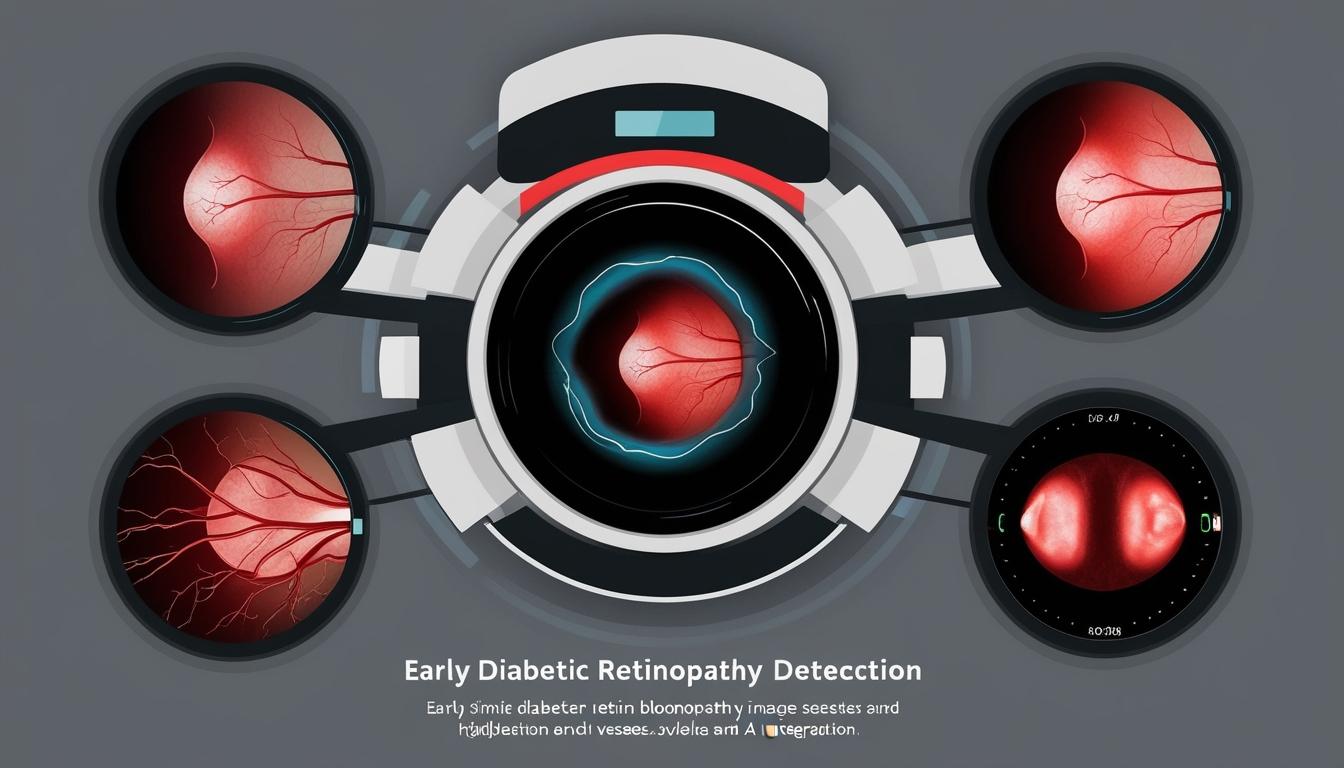
In recent developments at the intersection of technology and healthcare, researchers Rahul Vadisetty and Anand Polamarasetti have significantly advanced artificial intelligence (AI) and machine learning (ML) applications, especially in medical diagnostics. Their recent paper titled “Hybrid Neural Network and Machine Learning Approaches for Accurate Diabetic Retinopathy Detection and Classification” has been awarded the Best Paper Award at a leading Springer conference, marking a notable milestone in their ongoing research efforts.
Vadisetty and Polamarasetti, distinguished figures in their field, have collaborated extensively on integrating AI and ML across various sectors. Their research spans topics including AI-driven data science aimed at enhancing cloud security and compliance, as well as AI-enhanced data engineering that synergises cloud computing with machine learning applications. Their contributions have been recognised by prominent academic platforms, further establishing their credibility as industry thought leaders.
The focus of their award-winning research is diabetic retinopathy (DR), a microvascular complication associated with diabetes that can lead to blindness if not detected early. The World Health Organization reported over 415 million cases of diabetes globally in 2012, with projections indicating a steep increase. Diabetic retinopathy remains a leading cause of preventable blindness, particularly in low- and middle-income countries where access to ophthalmological care is often limited. Early diagnosis and timely intervention are crucial, as studies suggest that up to 95% of vision loss from DR can be effectively prevented.
Traditional methods for diagnosing DR—including retinal dilation and manual examinations—pose challenges due to their time-consuming and often discomforting nature. Vadisetty and Polamarasetti's research addresses this need with an automated and hybrid approach that remarkably improves the detection and classification of DR through AI technologies. Their methodology includes two primary phases: the reconstruction and enhancement of blood vessels in retinal images, using advanced pre-processing algorithms; followed by the classification of diabetic retinopathy severity with a hybrid model that effectively combines Support Vector Machines (SVM) and artificial neural networks (ANN). This dual-model approach achieved an impressive accuracy rate of 96.7%, substantially outperforming existing diagnostic methods.
Innovative techniques, such as U-Net architectures for image segmentation, are incorporated into their methodology, allowing the model to differentiate with high precision between lesion and non-lesion pixels. This technological advancement not only enhances diagnostic accuracy but also mitigates the challenges clinicians face in the field.
Vadisetty and Polamarasetti’s research was crafted with an emphasis on accessibility and scalability. By utilising publicly available datasets, including the APTOS 2019 Blindness Detection dataset, their approach can be replicated and adapted globally. The low hardware requirements of their system make it particularly valuable for deployment in rural or underserved regions, where diabetes-related complications are prevalent, yet healthcare resources are often scarce.
With the reduction of false positives and false negatives—a critical issue in medical diagnostics—this hybrid model ensures more precise classifications. Such accuracy can alleviate patient anxiety and optimise the allocation of medical resources.
The recognition bestowed upon their work at the Springer conference underscores its scientific robustness and potential applicability in real-world healthcare settings. The feedback praised the innovative methodologies and promising results, hinting at potential transformative impacts on clinical practices. Automating the detection and classification processes could enable ophthalmologists to concentrate more on treatment rather than diagnostics, paving the way for faster interventions and better patient outcomes.
Vadisetty and Polamarasetti's groundbreaking research stands as a significant example of how the convergence of technology and healthcare can address pressing global health issues. Their collaboration not only highlights their individual achievements but also exemplifies the potential of AI and ML to revolutionise the medical field. As these technologies continue to evolve, their work inspires a broader dialogue within the research community about global partnerships and innovation in pursuit of equitable healthcare solutions.
Source: Noah Wire Services