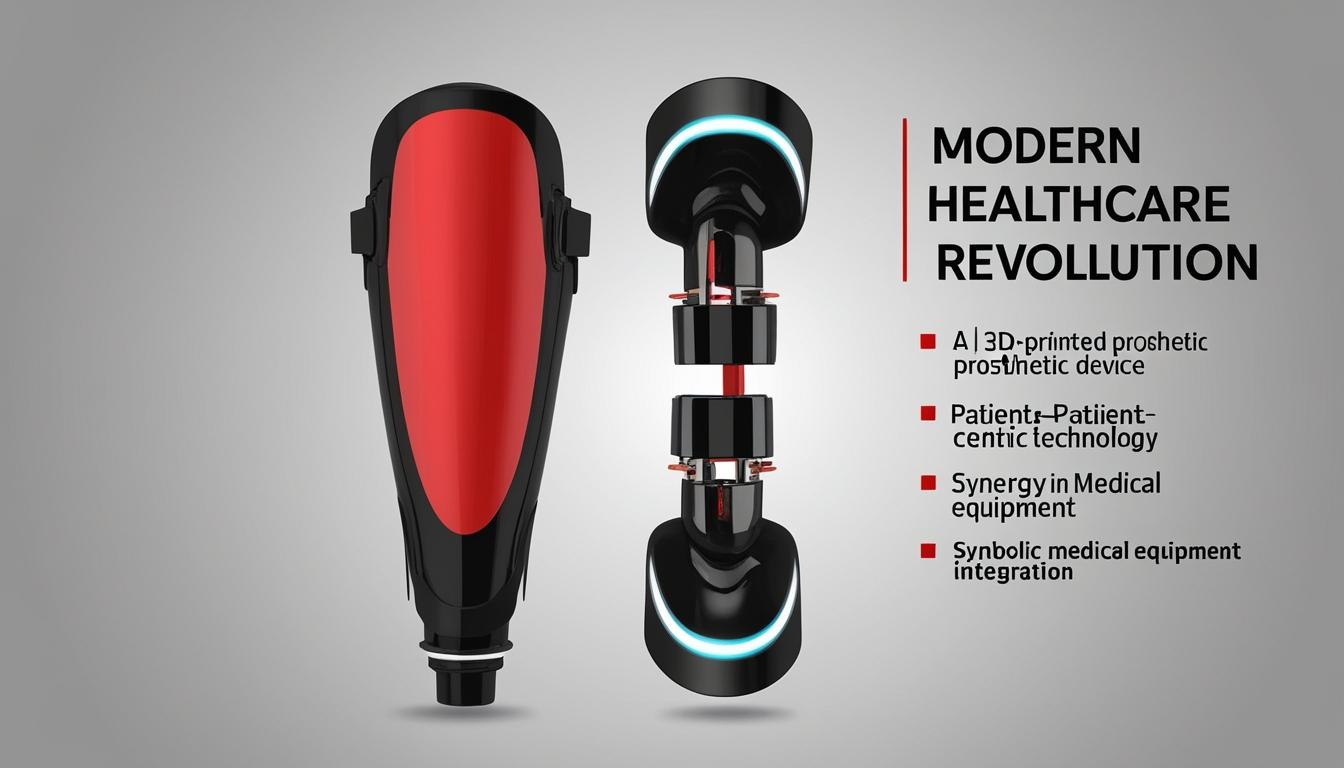
In the ever-evolving landscape of technology, the healthcare sector is undergoing significant transformation, primarily driven by the integration of Synergy Durable Medical Equipment (DME). This innovative approach merges traditional medical devices with advanced technologies, offering remarkable solutions that enhance patient care and reimagine healthcare delivery.
Synergy DME involves the convergence of cutting-edge technologies with enduring medical apparatus, creating an environment where patient outcomes can be significantly improved. A salient development within this realm is the incorporation of Internet of Things (IoT) capabilities into durable medical equipment. This evolution enables devices such as wheelchairs, hospital beds, and infusion pumps to be interconnected, fostering real-time monitoring and data collection. Such advancements give healthcare providers immediate access to invaluable patient data, thereby enhancing decision-making processes and facilitating timely interventions.
Artificial Intelligence (AI) is another pivotal enhancement within Synergy DME, with its abilities extending beyond mere operational efficiency. AI-driven analytics can predict maintenance needs for medical equipment, ensuring reliability and safety while minimising downtime and associated costs. “The use of AI within DME is proving to be a game-changer,” experts highlight, as it significantly uplifts the quality of patient care by allowing for proactive maintenance scheduling and effective resource utilisation.
Moreover, the integration of 3D printing technologies within the domain of Synergy DME is forging a new era of personalised healthcare. This cutting-edge method allows for the production of custom prosthetics and orthotics that align perfectly with an individual’s anatomical requirements, thereby ensuring enhanced comfort and improved functionality for patients.
As the industry progresses, the implications of Synergy DME on healthcare practices appear momentous. Analysts predict that the role of this equipment will expand substantially, paving the way for advancements such as wearable technology and smart implants. These innovations are expected to create a highly responsive healthcare environment, further emphasising patient focus. Additionally, increasingly sophisticated big data analytics capabilities are set to pave the way for preventive care models, utilising insights gleaned from interconnected devices to foster better health outcomes.
While the prospects of Synergy DME are primarily positive, there are associated challenges that warrant consideration. High initial costs related to technology implementation could serve as a barrier for some entities. Furthermore, concerns surrounding security risks tied to IoT connectivity and the potential over-reliance on technology may impact traditional manual practices within the healthcare sector.
The shift towards Synergy DME is not only facilitating innovation but is also reshaping the healthcare market dynamics. Collaborations between traditional medical equipment manufacturers and technology firms are becoming increasingly common, highlighting the crucial need for sustainable development in healthcare innovations. Technologies like 3D printing are of particular note, as they contribute towards reducing waste and optimising resource use, reflecting a commitment to environmental sustainability within the industry.
In summary, Synergy Durable Medical Equipment is at the forefront of a significant shift in the healthcare landscape. By integrating advanced technologies into traditional practices, this new paradigm promises to deliver a more efficient, connected, and patient-centric approach to healthcare. As technological innovations continue to unfold, the future of DME appears poised to enhance the delivery and efficacy of patient care dramatically.
Source: Noah Wire Services