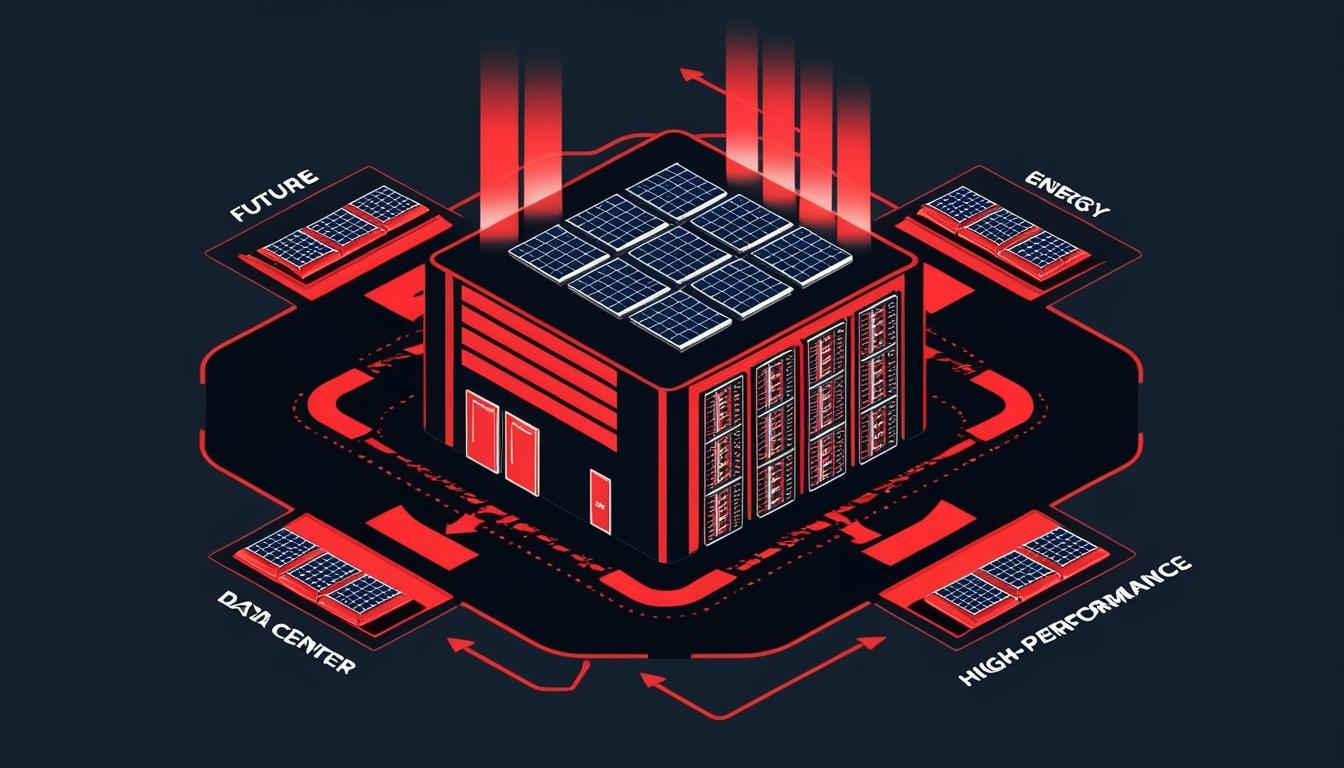
Technology companies are facing significant challenges in scaling artificial intelligence capabilities due to burgeoning electricity demands from data centres. These facilities, which house thousands of high-performance computers, are projected to consume up to 17 per cent of all U.S. electricity by 2030. As the energy crisis looms, tech leaders are seeking innovative and often experimental solutions to secure vast amounts of power necessary for their operations.
The Washington Post reports that many companies are investing in ambitious “moonshot” projects aimed at establishing new energy sources outside of existing power grids. These initiatives include agreements that would allow energy generated directly at these sites to exclusively supply nearby data centres and other industrial facilities, thereby bypassing congested transmission networks.
Among the notable projects exploring alternative energy sources is Project Nujio’qonik in Newfoundland, which focuses on harnessing green hydrogen. This project aims to convert renewable wind and solar energy into hydrogen fuel that can be stored and converted back into electricity as needed. Such a setup potentially offers round-the-clock power comparable to traditional nuclear or fossil fuel plants, with the added benefit of producing only clean water as a by-product.
In Pennsylvania, tech companies are seeking to rejuvenate nuclear energy efforts with the revival of the Three Mile Island nuclear plant. Microsoft has partnered with Constellation Energy to purchase all energy produced by this facility for two decades, marking a significant investment in zero-emissions power generation. Although the deal's financial specifics remain undisclosed, analysts expect that the generated power may come at a premium compared to other energy forms, given the plant's historical context and operational challenges.
Solar energy paired with large battery storage systems also represents a significant trend among tech companies aiming to stabilise their energy supply. The Edwards & Sanborn Solar Project in California’s Mojave Desert exemplifies this approach, featuring 1.9 million solar panels coupled with 120,000 batteries, effectively storing power for use during non-productive hours.
Innovative energy generation methods continue to advance as well, with the Helion Fusion project in Washington state pursuing the goal of harnessing atomic fusion for power generation by 2028. Despite historical scepticism about fusion energy's commercial viability, Microsoft’s substantial investment in Helion signifies growing interest in this avenue. Meanwhile, Virginia is pinning hopes on another firm, Commonwealth Fusion Systems, which aims to serve approximately 150,000 homes by the early 2030s.
In Wyoming, TerraPower is working on developing advanced fission reactors that promise improved safety and less waste compared to conventional models. However, regulatory hurdles remain, and the timeline for producing operational units is uncertain due to ongoing review processes.
Lastly, the potential of enhanced geothermal energy is being explored by Fervo Energy, which employs fracking technology to extract heat from deep underground. Backed by both Google and government initiatives, early pilot projects in Nevada have shown promise for this zero-emissions energy source.
As the AI sector progresses, the energy demands of data centres continue to pose challenges. Companies are now steering towards diversified energy strategies aimed at ensuring sustainable power sources while addressing environmental concerns tied to traditional energy production methods.
Source: Noah Wire Services