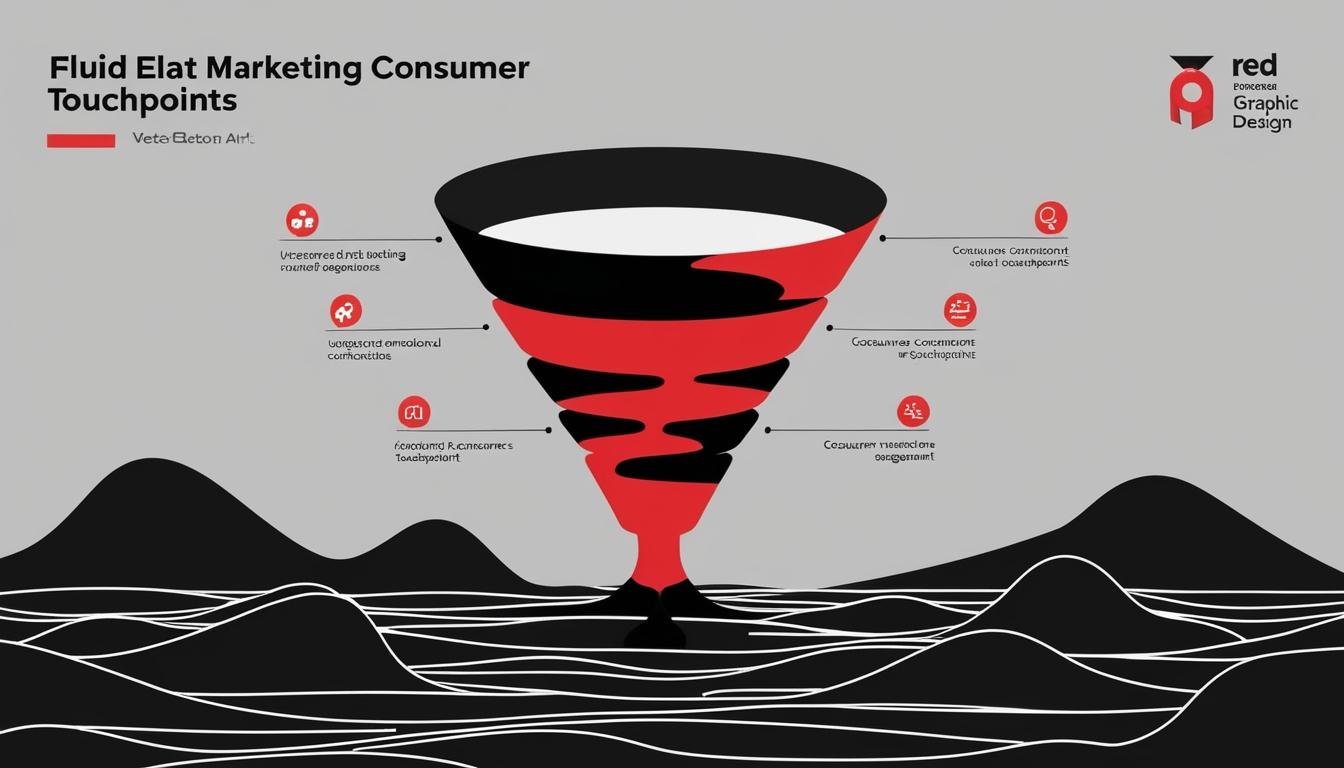
The landscape of content marketing is undergoing a significant transformation as marketers shift away from the traditional funnel approach, which has guided consumer journeys linearly from awareness to action for many years. This evolution is necessitated by the complexities of modern consumer behaviour, prompting the rise of what is known as situational content marketing.
Traditional marketing frameworks, particularly the AIDA (Awareness, Interest, Decision, Action) model, operate on broad audience segmentation and assume that all individuals within a segment will respond uniformly to marketing efforts. However, this perspective does not accommodate the multifaceted nature of current consumer decision-making, where factors like urgency, emotional states, and external influences play a crucial role. As delineated by Search Engine Journal, the rigid structure of conventional methods is becoming increasingly misaligned with how consumers make choices today.
Situational content marketing, in contrast, is an adaptive approach that focuses on understanding the specific contexts in which consumers find themselves. Instead of categorising individuals solely by demographics or psychographics, this strategy examines the immediate circumstances influencing their purchasing decisions. It acknowledges that consumer journeys are not linear; they often involve skipping stages or looping back to earlier points based on situational triggers. This allows brands to connect with audiences through tailored content that resonates with their current needs and emotions.
One of the key distinctions in situational content marketing is the understanding of the effort a consumer is willing to invest in their purchasing decisions. Purchases can be classified along a continuum from high-effort to low-effort, with high-effort purchases requiring considerable cognitive and emotional investment—such as buying a car or choosing a college—while low-effort purchases involve minimal thought, like grabbing a snack. This differentiation informs the type of content that brands must deliver. For instance, high-effort contexts necessitate detailed, trust-building content, while low-effort scenarios benefit from simpler, more emotionally engaging messages.
Moreover, the boundaries of consumer behaviour highlight that traditional sequential models like AIDA fail to account for the fluid and dynamic nature of decision-making. Consumers may engage with multiple touchpoints simultaneously, allowing them to experience awareness, interest, and decision-making all at once rather than in stages. This reality underscores the limitations of conventional funnels, as consumer journeys are often fragmented and influenced by a myriad of internal and external factors.
At the core of this situational approach are the mental databanks that consumers build throughout their engagement with brands. These databanks encompass a range of information, attitudes, and emotional associations that shape decision-making. For example, a consumer may recall a particular brand when considering a product not simply based on familiarity, but also due to positive emotional associations tied to their previous interactions. Brands that can effectively reinforce positive experiences and emotional connections occupy a favourable position within these mental databanks, improving recall at critical decision-making moments.
The implementation of AI-driven personalization represents a substantial advancement in situational content marketing. By harnessing data analytics and machine learning, brands can create hyper-personalized content that addresses individual consumer behaviours and preferences in real-time. This capability allows for dynamic messaging that adapts to changes in the consumer environment, enhancing engagement and driving conversions.
In light of these developments, the traditional marketing funnel is being envisioned as a more fluid ecosystem. This model reframes consumer relationships as iterative and interconnected processes rather than linear paths. As marketers prepare for the future, the focus is shifting towards creating value at every stage of the consumer journey, utilising technology and a deeper understanding of consumer psychology to enhance marketing effectiveness.
As these trends continue to evolve, businesses are poised to refine their content strategies, ensuring they align with the complex realities of modern consumer behaviour. The changing dynamics of marketing, driven by situational content, open up new avenues for connecting with audiences by meeting their real-time needs and reinforcing brand relevance long-term.
Source: Noah Wire Services