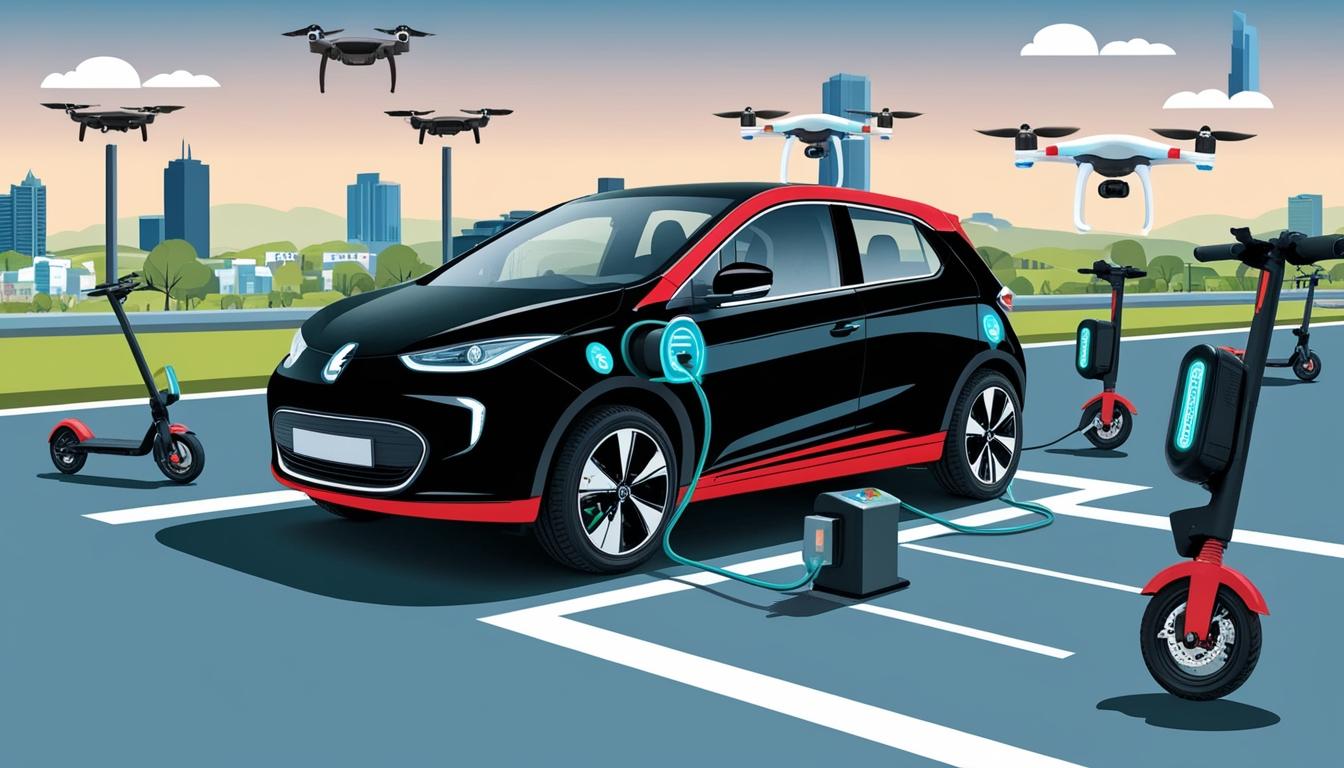
The landscape of electric vehicles (EV) is undergoing a significant transformation, evolving from a term primarily associated with automobiles to a broader concept symbolising sustainable innovation across various industries. As environmentally friendly solutions gain traction, the scope of “EV” now encapsulates electric versatility in multiple domains, from urban commuting to home energy systems.
Electric scooters are emerging as a vital aspect of urban transport, providing eco-friendly alternatives to traditional cars in congested city environments. Furthermore, electric boats are making strides in the marine sector by reducing emissions and promoting sustainable travel over waterways. The application of electric drones spans several fields, including agriculture and logistics, where they enhance operational efficiency while minimising environmental impact. The term “environmental vision” is becoming synonymous with these advancements, representing a commitment to merging technological progress with ecological sustainability.
Key advancements are also being observed in the integration of EV batteries within home energy systems. Homeowners are increasingly adopting these technologies to bolster energy storage solutions, which facilitate off-grid living and enhance energy independence. This shift not only aids families in reducing their carbon footprints but marks a broader trend towards embracing sustainable lifestyles supported by technological innovations.
As cities evolve towards smarter infrastructures, the implementation of EV technologies plays a critical role. Developments such as intelligent traffic systems and renewable energy sources are geared towards optimising urban energy consumption and reducing emissions. The vision for modern cities increasingly hinges upon the incorporation of electric versatility in order to foster cleaner and more efficient urban environments.
As highlighted by emerging market trends, the global electric vehicle market is experiencing rapid growth. Industry analysts indicate that advancements in battery technology, expanded charging infrastructure, and increased reliance on renewable energy sources are paving the way for widespread adoption. These developments signal a deeper commitment to sustainability and could prompt a wave of further innovations that harmonise technological progress with eco-friendly principles.
However, the transition to an EV-centric ecosystem is not devoid of challenges. Significant infrastructural requirements, particularly regarding charging stations, alongside the environmental implications of battery production underscore the need for considerable investment and public policy support. Addressing these issues is essential for achieving the full potential of EV technologies and ensuring the success of this transformative movement.
Tesla Inc. is at the forefront of this evolution, significantly influencing both the electric vehicle and energy sectors. The company is set to introduce a breakthrough battery technology, anticipated to extend driving ranges and reduce costs for electric vehicles. Industry insiders suggest that this innovation could substantially decrease global reliance on fossil fuels, positioning Tesla as a key player in the green transition.
Furthermore, the expansion of Tesla’s Gigafactory network reflects a strategic move aimed at tapping into emerging markets while enhancing supply chain logistics. By focusing on these markets, Tesla is not only meeting rising global demands for sustainable transport solutions but is also promoting ecological responsibility through responsible production practices.
As Tesla progresses towards achieving fully autonomous driving capabilities, the implications for personal and urban transportation are substantial. These advancements may lead to improved ride-sharing options, reduced traffic accidents, and enhanced logistics solutions through autonomous delivery services. However, the company must navigate challenges associated with safety and the regulatory landscape surrounding autonomous technologies.
Tesla’s ongoing innovations, including advancements in battery production and autonomous systems, showcase the company's pioneering spirit in the EV sector. By establishing benchmarks that competitors may seek to emulate, Tesla continues to shape the future of transportation and energy consumption. As the market looks to a more integrated and sustainable future, Tesla remains anchored at the forefront, poised to drive innovations that align technological advancements with environmental stewardship.
Source: Noah Wire Services