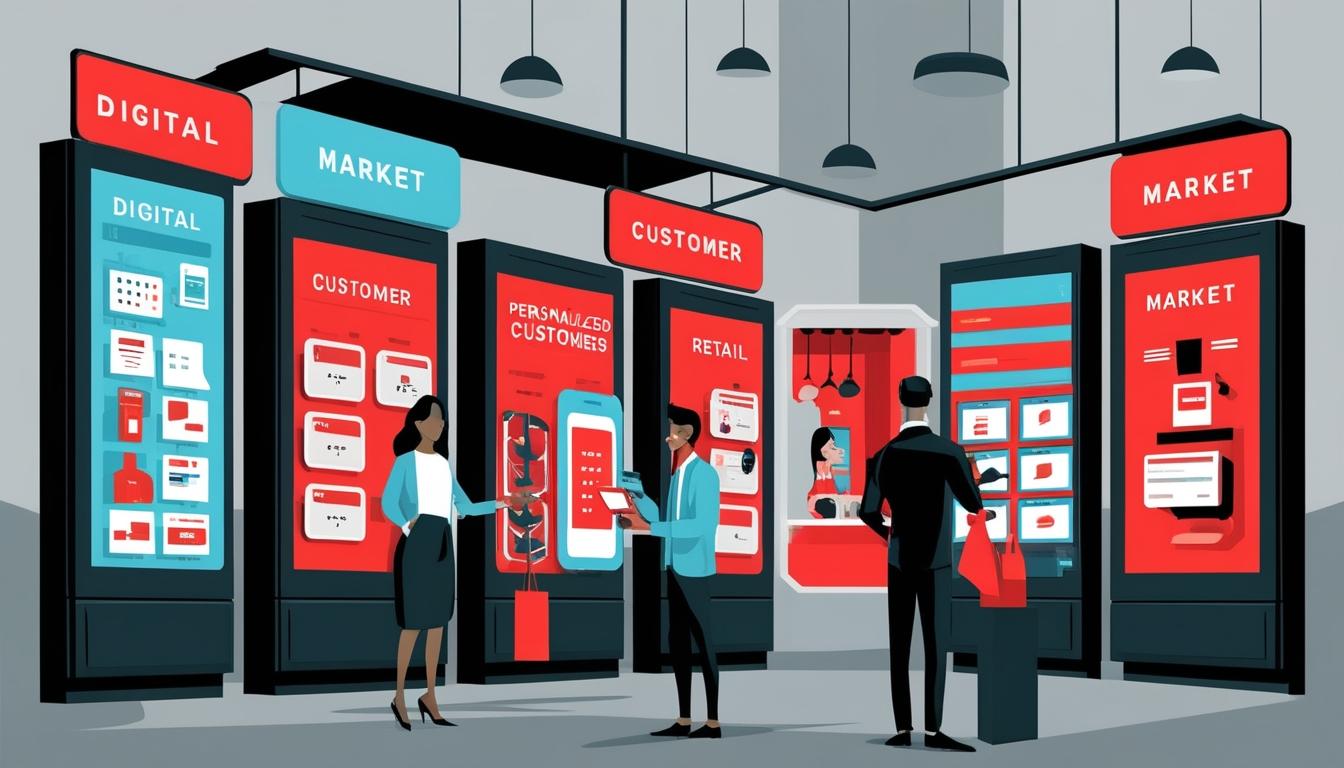
Customer experience (CX) is evolving rapidly in the wake of the challenges posed by the pandemic, with businesses preparing strategies to navigate a blended future of digital and physical interactions. As consumers continue to demand seamless and personalised services, organisations must adapt to meet these expectations across a diverse range of platforms and experiences.
In 2025, customer journeys are expected to encompass a mix of digital, in-store, and combined "phygital" experiences. Industry experts emphasise the importance for marketers to unify their strategies, enabling customers to choose how they engage with brands. Katie Moro, global director of managed services at commerce experience platform Productsup, predicts a decentralised approach to sales, remarking that “there won’t be a clear ‘winner’ when it comes to where or how people shop.” Instead, sales will be distributed across various channels including physical retail, online stores, marketplaces, and social media platforms. The shift in consumer behaviour reflects a desire for flexibility, as customers utilise a combination of touchpoints for their shopping experiences.
The enhancement of customer experience relies heavily on interoperability across digital and physical platforms, with data serving as a connecting thread that allows for individualised interactions. Megan Harbold, VP of strategy and growth for omnichannel marketing platform Skai, noted the emergence of sophisticated in-store media networks that allow brands to create personalised offers demonstrated on digital screens within retail spaces. This development is anticipated to complicate omnichannel media strategies and measurement as brands seek to meet customers where they are.
Accessibility standards are also set to tighten, with updated guidelines from the Department of Justice requiring compliance from government entities and healthcare providers. Chad Sollis, CMO for web accessibility platform AudioEye, described this as a significant shift that may influence other industries as well. "As accessibility standards tighten in 2025, marketers will need to demonstrate not just intent but action," Sollis stated, highlighting the need for businesses to integrate accessibility into their digital frameworks.
AI is poised to further revolutionise customer experiences, particularly in live events. With the upcoming Academy Awards slated for a live stream on Hulu in March 2025, the integration of AI will facilitate real-time translation, automate captioning, and engage viewers in interactive experiences. Sujatha Gopal, Chief Technology Officer at TCS, indicated that AI technology would create more personalised interactions, adapting content based on audience sentiment and preferences.
The application of image recognition technology is also projected to redefine consumer engagement. Matty Beckerman, CEO of interactive experience company IRCODE, remarked that 2025 is expected to witness brands fully harnessing the potential of image recognition, leading to a more intuitive connection between consumers and products. This could change how brands interact with audiences, setting a new standard for personalised marketing.
Simultaneously, brand safety remains a paramount concern, especially within social media channels where risks of inappropriate content placements persist. As highlighted by Jonathan Neddenriep, CTO and co-founder of Postie, advertisers will likely diversify their channels in response to these concerns, potentially increasing investments in direct mail and other offline mediums. Despite the digital marketing boom, direct mail is anticipated to retain its relevance due to its tangible nature and measurable return on investment.
Finally, the competitive landscape is pushing brands to bolster their loyalty programmes as part of an effort to enhance overall customer experiences. Tara DeZao, product marketing director at Pega, explained that businesses would increasingly turn to loyalty schemes not only to retain existing customers but to attract new ones by leveraging partnership networks within these programmes. This approach is particularly vital in highly competitive markets where products are similar across different providers, incentivising consumer loyalty through shared benefits.
As these trends continue to influence the business landscape, companies will need to stay ahead of evolving customer expectations and market demands, utilising emerging technologies and strategic approaches to forge meaningful connections with their audiences.
Source: Noah Wire Services