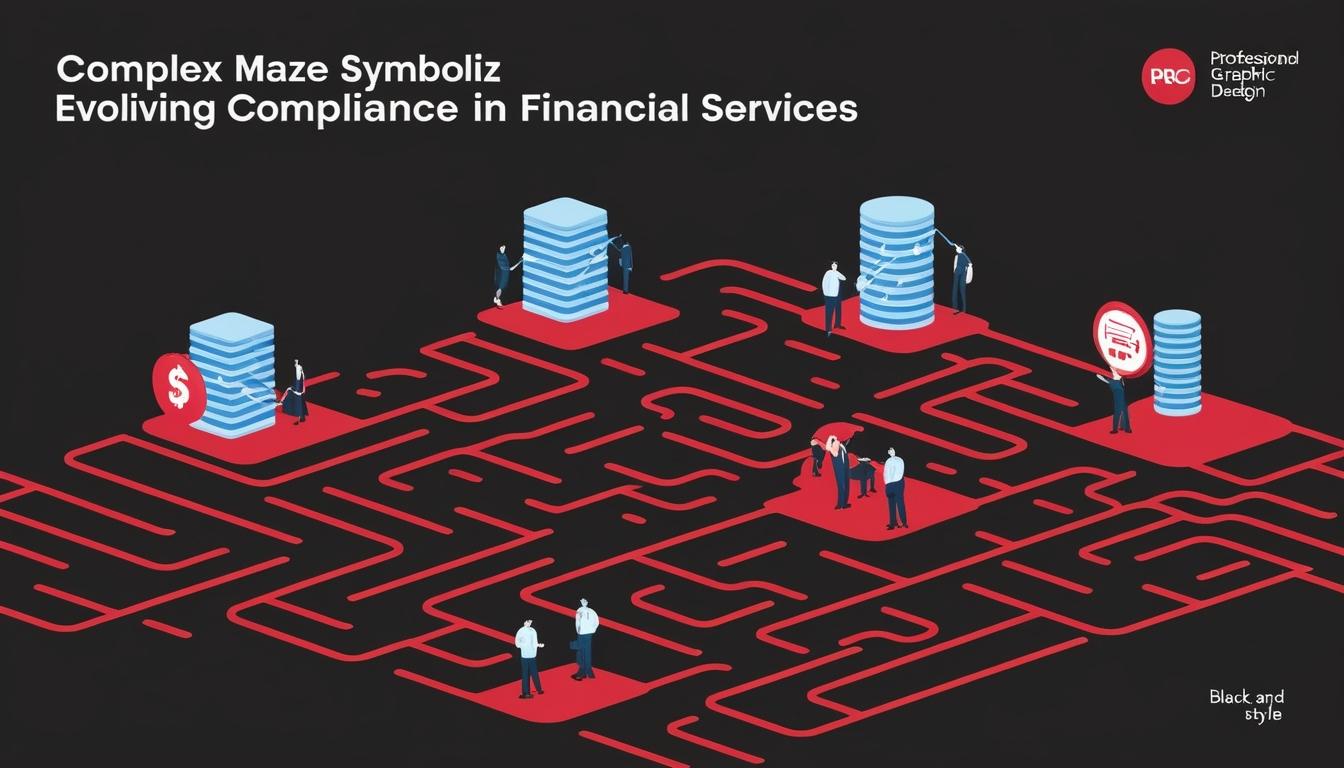
In 2024, the landscape of compliance within the payments and financial services sectors is witnessing a significant transformation. Traditionally perceived as a cumbersome expense, compliance is increasingly being recognised as a vital strategic asset that fosters innovation and builds trust among stakeholders. This shift comes on the heels of recent FinTech collapses and heightened regulatory scrutiny, compelling firms to adapt their compliance strategies to meet evolving demands.
The compliance environment is complicated by an array of global regulations, which continue to become more intricate year on year. Enhanced regulatory oversight, the rapid growth of cross-border payments, and the advent of emerging technologies such as artificial intelligence and blockchain are central to this evolution. Additionally, the expanding partnerships between traditional financial institutions and FinTech companies, as well as a growing third-party landscape, are driving these firms to reconsider their approach to compliance. Consequently, companies are transitioning from merely meeting compliance requirements to actively using compliance as a competitive advantage in the coming years.
Risk-based compliance frameworks are at the forefront of this change. Companies are now deploying advanced analytics and data-driven insights to identify and prioritise areas that pose the highest regulatory and reputational risks. By focusing resources on these high-risk activities while automating lower-risk compliance tasks, organisations can optimise both their budget and personnel. This strategic shift enables teams to redirect their efforts towards innovative and strategic initiatives, rather than being bogged down by routine compliance work.
In a move towards greater efficiency, firms are breaking down silos that have historically separated compliance functions from other essential departments such as finance, operations, and IT. This integrated approach ensures that compliance considerations are incorporated into every strategic decision, from market expansion to product development. As reported by PYMNTS, this holistic view is becoming critical as regulators pay closer attention to downstream risks associated with Know Your Customer (KYC), compliance, and risk management within FinTechs and their Banking as a Service (BaaS) partners.
With the growing complexity of managing third-party relationships, organisations are also turning to sophisticated risk management tools. These solutions leverage real-time data feeds, predictive analytics, and custom dashboards to provide a comprehensive overview of third-party compliance. Early identification and mitigation of potential risks not only safeguard organisational integrity but also enhance the strength of partnerships.
As the industry moves towards 2025, compliance is set to play an increasingly pivotal role in shaping the operational dynamics of payments and financial services firms. Those that adopt a proactive, risk-based, and technology-enabled compliance strategy are likely to be better positioned to navigate forthcoming challenges and leverage new opportunities. A payments company that consistently prioritises compliance, for instance, may expedite its regulatory approvals, allowing it to launch new products ahead of competitors. Moreover, firms demonstrating robust compliance records often find themselves in a stronger position to attract investments and forge successful partnerships.
In an environment where trust remains a crucial competitive differentiator, companies are expected to operate with a high degree of transparency and integrity. By cultivating a proactive compliance strategy, organisations can not only build and maintain trust but also tap into new growth avenues, which are essential in today's fast-evolving market landscape.
Source: Noah Wire Services