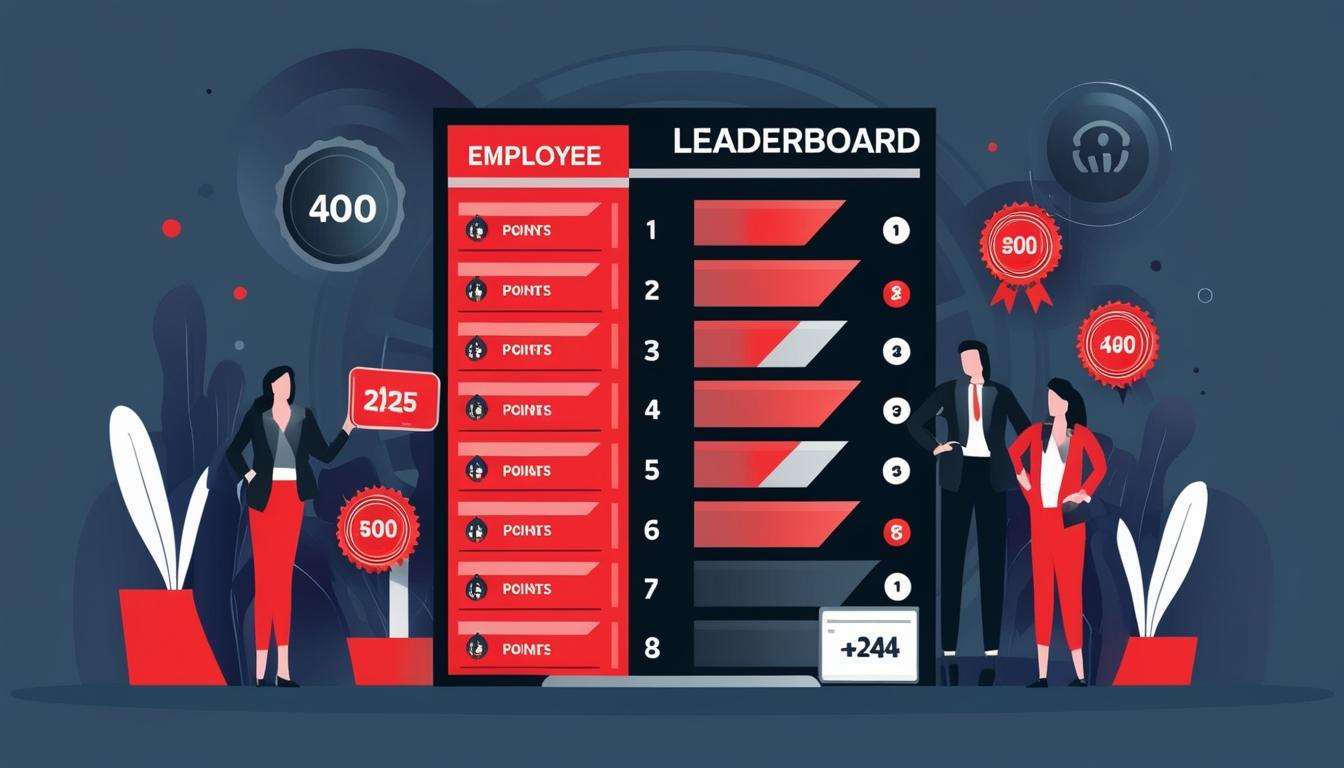
In recent years, gamification has emerged as a transformative strategy for businesses, revolutionising both internal processes and customer interactions. The incorporation of gaming mechanics into non-gaming activities, such as employee training and customer engagement, has shown promising results across various sectors.
Gamification, as detailed in "The Edge, A Leader's Magazine", presents a solution to enhance employee participation and satisfaction. The concept involves integrating points systems, badges of completion, and leaderboards into everyday tasks. This approach does not merely aim to create standalone games; instead, it enriches existing corporate activities with a game-like environment. MarketsandMarkets previously predicted that the global market for gamification would rise to $11.1 billion in 2020, a significant increase from $1.65 billion in 2015. Such figures indicate that many companies are recognising the value of employing these strategies to foster engagement.
Tech giant Google exemplified the successful application of gamification through its expense reimbursement initiative. By rewarding employees who filed travel expenses punctually either with cash or a charitable donation of their choice, Google achieved 100% compliance in just six months. This highlights how gamification can lead to significant behavioural changes among staff.
The effectiveness of gamification is underpinned by several psychological principles, including the satisfaction derived from recognition, the bolstering of community within a workplace, and the create of narratives around monotonous tasks. Such factors help in reducing workplace stress and overload while maintaining a competitive spirit that encourages continued participation, as noted by Michelle Novielli, the contributing writer for the publication.
Beyond internal operations, companies employing gamification strategies have witnessed notable enhancements in customer engagement. For example, Nike's running app motivates users to share their training stats with friends, further incentivising them to run more frequently. This increase in activity correlates with heightened sales for the company, demonstrating how gamification can effectively drive customer behaviour. Nike reportedly improved its market share in running shoes by an additional 10% within a year of launching these gamification initiatives.
Starbucks has also successfully employed gamification within its loyalty program. Through a system in which customers earn virtual “stars” for each purchase, which can be exchanged for free products, the coffee chain has cultivated an effective customer retention strategy. The company engages over 120 million registered mobile users through weekly challenges, prompting them to make more frequent purchases to achieve their goals.
As businesses consider implementing gamification, experts suggest several strategies to stage successful initiatives. Firstly, aligning gamification efforts with overarching business needs is critical to ensure that the process translates into tangible benefits. These benefits may extend beyond financial gain to include enhanced loyalty or improved internal processes.
A focused approach is also advised, particularly for startups and small enterprises, encouraging these businesses to prioritise initiatives as either internal or external, rather than attempting both simultaneously. Continual measurement and evaluation of these efforts are paramount for maximising returns on investment.
In addition, employing simple storytelling techniques can maintain user engagement and provide context for participation without overwhelming them with complexity. Finally, committing to a test-and-fix approach before a large-scale launch can help identify potential issues early in the process.
The insights from "The Edge, A Leader's Magazine" suggest that when well-designed, tested, and executed, gamification holds the potential to elicit powerful emotions from both customers and employees, thereby enhancing engagement and loyalty while positively impacting the bottom line. By capturing the emerging trend of gamification, businesses can reshape their practices for the better amidst an increasingly competitive landscape.
Source: Noah Wire Services