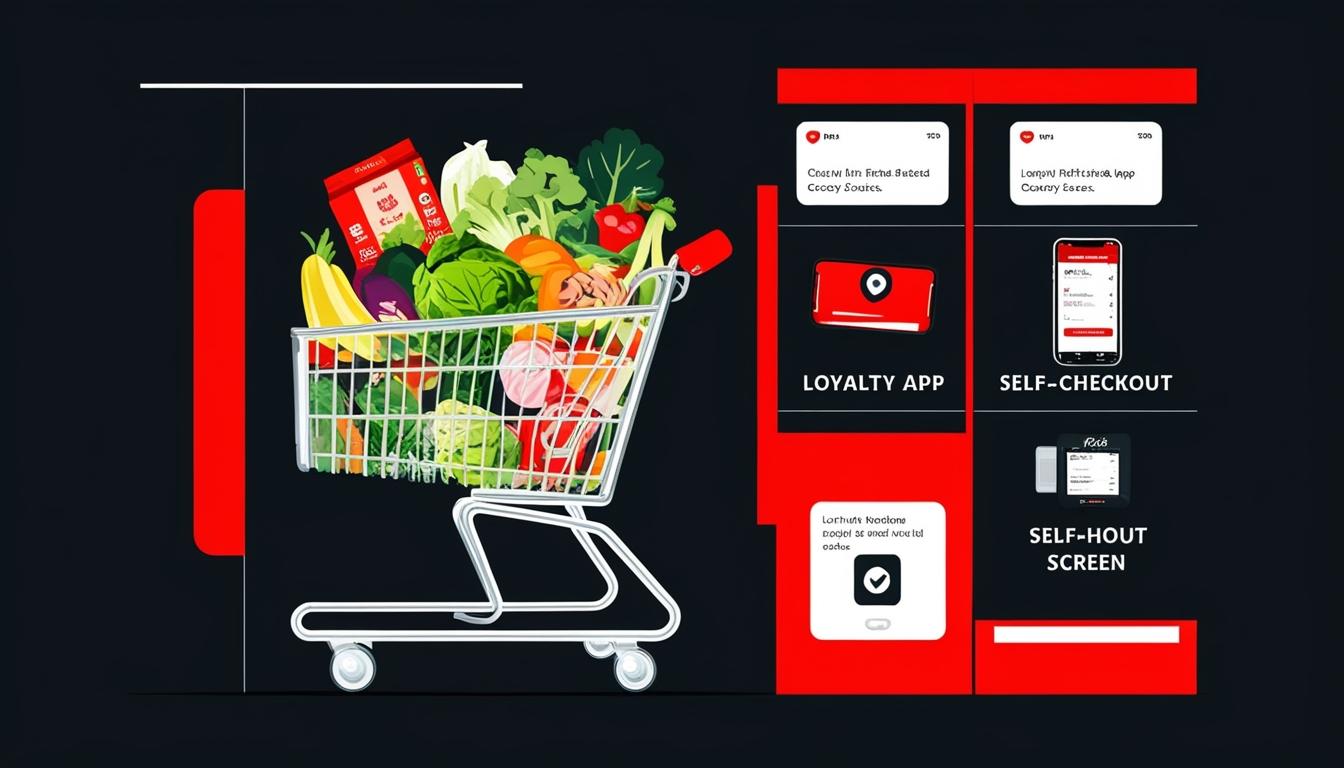
Grocery shopping has evolved into a multi-location venture for consumers, who now visit an average of 5.2 stores to complete their shopping lists. This trend, known as "grocery hopping," has gained traction due to consumer-friendly technologies such as curbside pickup, home delivery, and online ordering. The convenience of these options allows shoppers to adopt an a la carte approach, selectively choosing stores based on various factors like product freshness, promotional offers, and overall store ambience.
However, this shift poses significant challenges for grocery retailers as traditional profit margins in the industry remain slim. With every item purchased from a competitor representing a lost sale, grocers are compelled to reassess their engagement strategies. Key considerations for grocery leaders include fostering a welcoming atmosphere, cultivating a sense of community, ensuring brand coherence, and rewarding customer loyalty. This examination can open avenues for utilising technology to enhance customer engagement and thereby increase in-store loyalty.
Grocery loyalty apps are emerging as a crucial tool in this initiative. They not only provide consumers with the ability to track loyalty points and review past purchases but also encourage foot traffic to stores. Advanced technologies, including artificial intelligence and machine learning, allow grocers to analyse aggregate transaction data to identify distinct customer segments while safeguarding individual privacy. This analysis enables retailers to deliver tailored offers that resonate with specific shopper profiles. According to data from Lobyco, 46% of consumers reported feeling more valued when presented with personalised promotions through loyalty apps.
Another innovative strategy gaining traction is gamification. This approach introduces elements of play, such as luck-based mini-games, to augment shopper enthusiasm and cultivate loyalty. These games can incentivise return visits to stores, with a notable 40% of consumers likely to make additional purchases when redeeming prizes. By effectively engaging customers and highlighting in-store offerings, grocers have the potential to mitigate the effects of grocery hopping.
Once shoppers are within the store, the in-store technology plays a vital role in shaping their experience. Consumers increasingly favour streamlined shopping solutions, particularly at checkout. Notably, over one-third of shoppers prefer self-checkout systems, which allow for efficient scanning and bagging of items. Furthermore, "scan & go" technology, where customers use handheld devices or mobile phones to scan products as they shop, offers a swift and convenient checkout process, appealing to those wishing to make quick purchases. These technological enhancements signal to customers that their time is valued, contributing to a positive shopping environment.
Industry experts, including Anders Mittag, Chief Commercial Officer at Lobyco, emphasise that even modest improvements, such as seasonal displays and product samples, can significantly influence shopper perceptions. For retailers aiming to cultivate loyalty, it is essential to consider how separate enhancements contribute to a cohesive brand narrative. Each interaction with a loyalty app, personalised promotion, gamified engagement, or streamlined in-store experience collectively shapes the customer's decision to favour a particular store.
In this competitive landscape, grocery retailers that prioritise technological solutions to enrich the customer experience may transition from being one of several preferred shopping venues to the go-to choice for consumers. As grocery hopping continues to reshape the way people approach shopping, the ability to foster loyalty through innovative engagement strategies will be pivotal for retailers seeking to maintain and grow their market share.
Source: Noah Wire Services