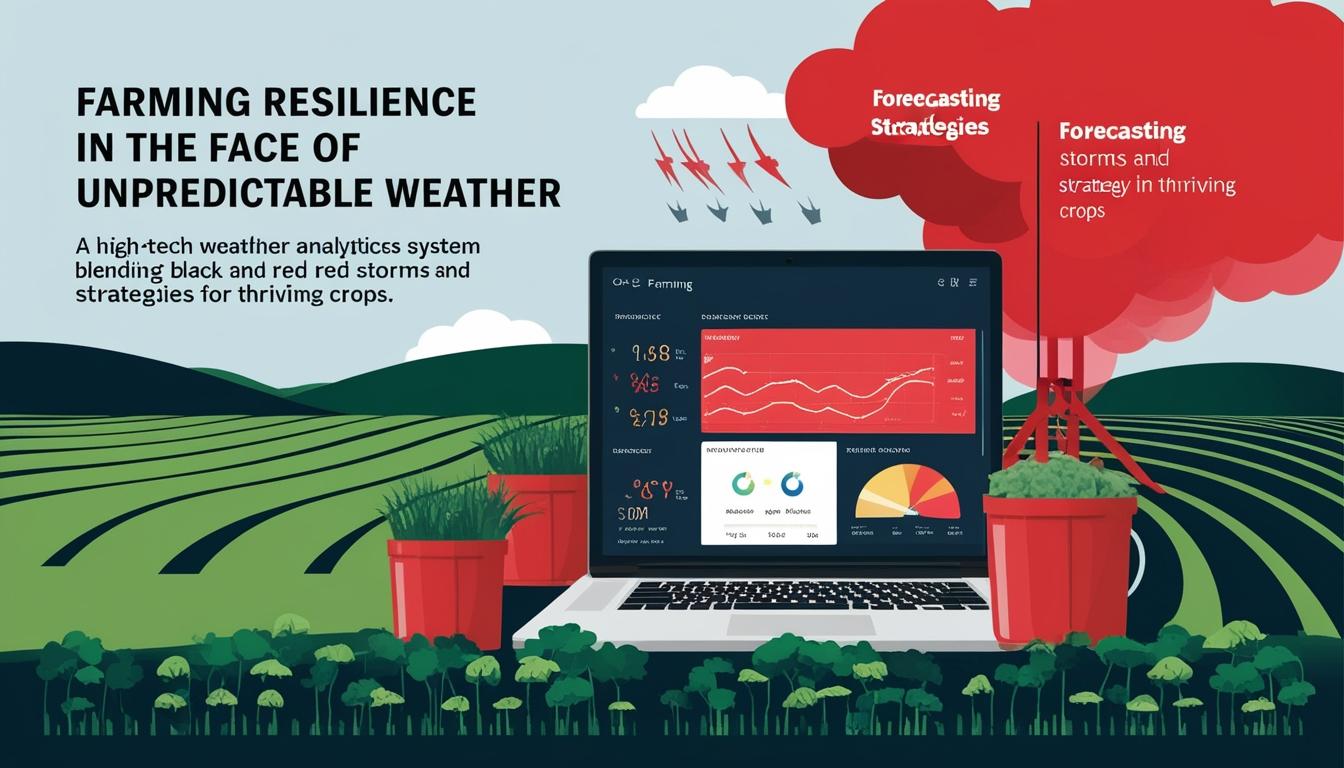
In the rapidly evolving agricultural sector, weather remains a key and unpredictable factor influencing crop health and productivity. Vasyl Cherlinka from EOS Data Analytics, writing for CropLife, highlights how traditional methods of weather prediction, relying heavily on farmers' intuition and experience, are being transformed by advancements in technology. This shift is particularly evident with the emergence of weather analytics—a sophisticated integration of meteorological data, cutting-edge algorithms, and real-time monitoring systems designed to offer precise insights into weather conditions at both macro and micro levels.
Weather analytics promises to enhance decision-making for farmers by providing them with predictive insights. The technology is not merely a reactive tool; it enables agricultural professionals to anticipate critical weather events that may threaten their crops. Cherlinka suggests scenarios where, through weather analytics, farmers can be alerted to impending dry spells that could stress plants or increased humidity that might signal an uptick in pest activity. This level of foresight empowers users to make informed choices on essential tasks such as irrigation scheduling, pest control application, and frost protection.
The significance of weather data in modern agriculture has expanded beyond a mere tool for productivity and waste reduction. It now serves as a vital asset in mitigating risks associated with unpredictable weather patterns. Accurate agricultural weather forecasts guide farmers in making pivotal decisions regarding primary farming activities including sowing, irrigation, fertilisation, and harvesting. Access to reliable forecasts allows growers to optimise their operations and reduce the likelihood of crop damage due to adverse weather.
In addition to immediate forecasts, long-term weather predictions offer another layer of strategic planning for agricultural enterprises. Historical weather data enables farmers to discern prevailing trends, thereby allowing them to prepare for extreme conditions such as droughts, floods, or temperature extremes. Insights gained from historical analysis can assist in selecting appropriate crop varieties, determining optimal planting dates, and implementing farming practices that adapt to the ever-changing climate. For instance, growers may consider integrating drought-resistant crops or adjusting irrigation practices during prolonged dry spells.
As agricultural technology continues to develop, weather analytics is positioned as a pivotal tool that not only enhances operational efficiency but also mitigates the challenges posed by climate variability. The ongoing evolution of these technologies may well redefine modern farming practices, leading to more resilient agricultural systems equipped to thrive despite the uncertainties of weather patterns.
Source: Noah Wire Services