As the influence of technology deepens across various business sectors, the warehousing and distribution components of supply chain management have notably transformed over the past few decades. The integration of cutting-edge innovations, particularly in automation, is reshaping traditional practices and presenting new methodologies for managing goods effectively.
In the realm of warehousing, Kenneth B. Ackerman, in his book "Practical Handbook of Warehousing," describes the function of warehouses as “a useful reservoir for mass production.” Historically, these storage facilities were established during the Industrial Era primarily as means for sellers to store excess inventory when demand forecasts were uncertain. The methodology behind warehousing evolved significantly, particularly with the introduction of Just-in-Time inventory strategies designed to minimise waste and ensure that sales were not lost due to inventory shortages.
In the modern context, warehousing has undergone a significant transformation where technology, particularly automation, automates essential tasks. Key functions including inventory management, order fulfilment, and quality assurance have been significantly enhanced through technological advancements.
Meanwhile, distribution, which encompasses the movement of products from suppliers to consumers, plays a pivotal role in shaping customer experience and managing supply chain expenses. The effective distribution of goods ensures timely deliveries and maintains product integrity during transportation, thereby influencing overall operational efficiency.
A report from "The CEO Views" identifies five groundbreaking technologies that are imperative for the evolution of warehousing and distribution:
Automated Picking Tools: These tools employ robotic and semi-robotic technology to ease the weight of manual tasks in supply chain management. By incorporating automated picking systems, businesses can optimise product selection processes, resulting in shortened picking routes and reduced human errors.
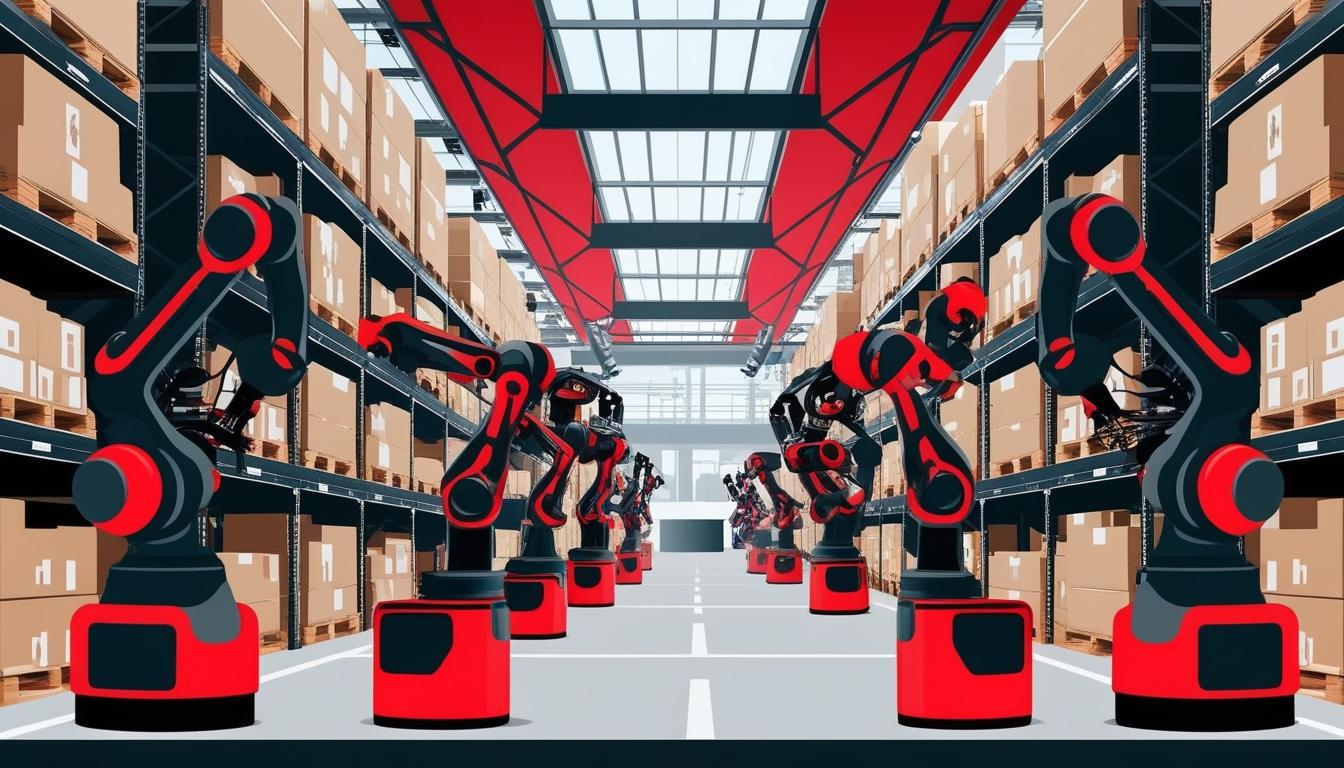
Robotics: This area of technology includes solutions like robotic arms and automated guided vehicles. Robotics streamline warehousing tasks, ensure accuracy, and speed up the process of order fulfilment while concurrently alleviating labour costs for supply chain managers.
Internet of Things (IoT): The IoT framework connects numerous sensors and devices, creating a smart operational environment for warehouses. By enabling real-time data collection and sharing, IoT fosters seamless communication across various systems, enhancing overall efficiency in warehouse management.
Artificial Intelligence (AI): AI plays a pivotal role in analysing vast datasets gathered from interconnected systems. This capability supports businesses in forecasting market trends, optimizing resource management, and refining picking routes for improved operational agility.
Advanced Inventory Management System (AIMS): AIMS facilitates the proficient tracking of inventory levels and logistics management while processing orders effectively. Utilising AI-driven analytics, AIMS enhances visibility in real-time, automates workflows, and optimises storage, thereby improving the efficiency of warehouse operations.
The advancements in these technologies have considerably amplified how warehousing and distribution management are executed, leading to a more efficient delivery of high-quality products to retailers and customers alike. These transformations are indicative of the broader shift towards technology-led innovations that are redefining traditional business practices within the supply chain landscape.
Source: Noah Wire Services