On 16 October 2024, the U.S. Department of Labor (DOL) introduced a detailed set of guidelines concerning the integration of artificial intelligence (AI) tools in the workplace. The document, titled “Artificial Intelligence and Worker Well-being: Principles and Best Practices for Developers and Employers,” builds on prior guidance released in May 2024 and adheres to directives set forth in an executive order on AI signed by President Biden in October 2023. This initiative has also been influenced by the DOL's support of the Partnership on Employment & Accessible Technology (PEAT)’s AI & Inclusive Hiring Framework, as well as publications from several DOL subagencies, including the Equal Employment Opportunity Commission (EEOC) and the Office of Federal Contract Compliance Programs (OFCCP).
Importantly, the DOL clarified that this new guidance, while comprehensive, is not legally binding and does not modify or supersede any existing statutes or regulations. However, it is regarded as the most extensive resource from the DOL regarding AI, and following these guidelines could help employers navigate their use of AI while adhering to established employment laws.
The DOL AI Guidance elaborates on eight core AI Principles first introduced in the May Guidance and pairs them with specific Best Practices designed to aid employers in effective implementation.
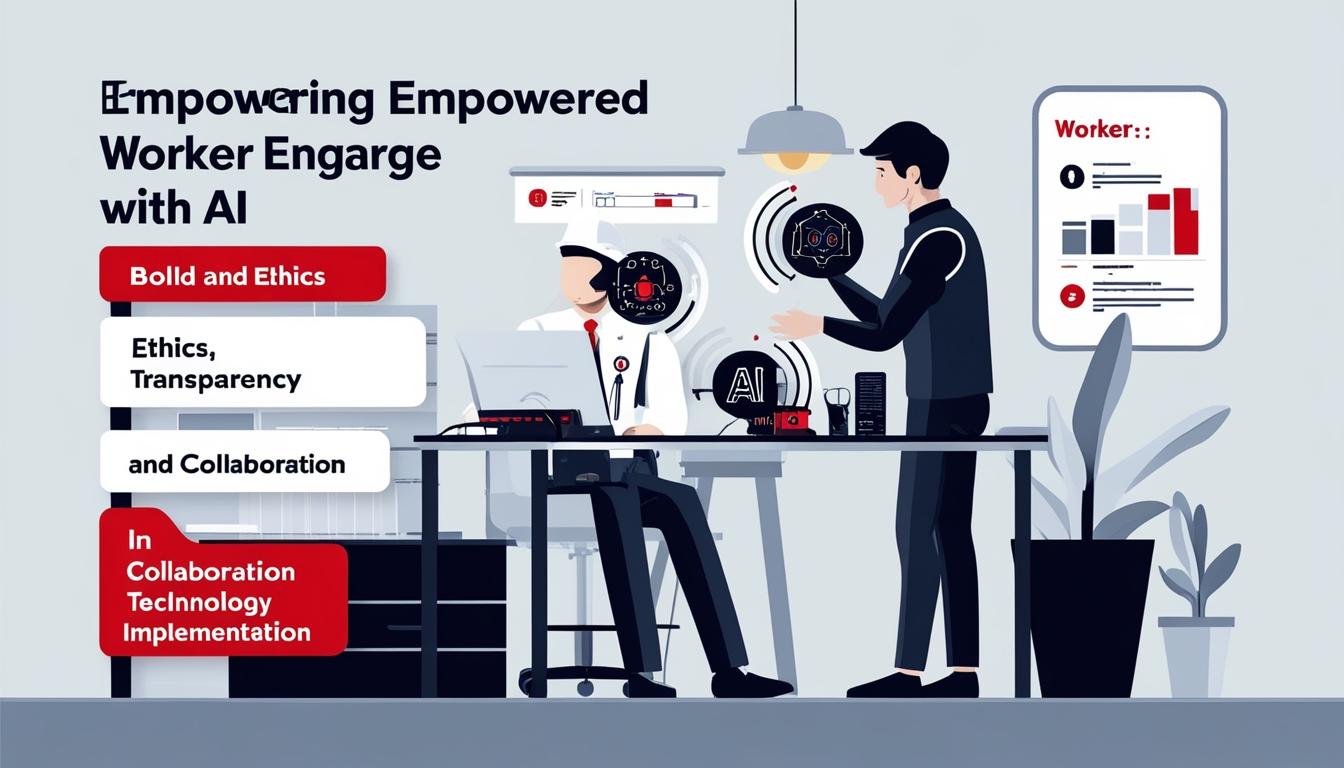
One of the primary tenants of the guidance is "centering worker empowerment," which encourages employers to engage workers—especially those from underserved communities—in every phase of AI system development and application. This participatory approach aims to strike a balance between leveraging AI for business efficiency and prioritising the welfare of employees.
Ethical development of AI is emphasised as a critical aspect of these guidelines. Employers are urged to establish robust ethical standards and processes to ensure AI systems adhere to safety and trustworthiness criteria for all stakeholders. Recommended actions include conducting impact assessments, scrutinising algorithmic bias, and maintaining ongoing human oversight of AI-driven employment decisions.
The guidelines also focus on the necessity of establishing clear governance structures and maintaining human oversight for AI tools. Employers are encouraged to train employees comprehensively on AI systems and ensure that significant employment decisions are made with human consideration rather than solely reliant on automated systems.
Transparency is another key principle highlighted in the DOL AI Guidance. Employers are required to notify workers about the AI tools being used, including what data is being collected and for what purposes. This open communication is intended to build trust and support employee engagement.
The guidelines caution against the misuse of AI tools in ways that could undermine employee rights. Employers are instructed not to use AI for wage reductions or undue monitoring, and to routinely audit AI systems to prevent discriminatory practices.
In line with these principles, employers are encouraged to create AI pilot programs that allow employees to test new tools before wider implementation. This approach aims to ensure that AI tools genuinely aid workers rather than detract from job quality.
Support for employees at risk due to AI implementation is also a focus of the guidance, advocating for upskilling opportunities and professional development initiatives that allow workers to adapt to new technology rather than face displacement.
Lastly, the guidelines stress the importance of safeguarding employee data. Employers should implement robust security measures to protect their workers’ personal information and avoid unnecessary data collection.
The DOL ultimately states that these principles and practices should be integrated throughout the entire lifecycle of AI deployment, from design through ongoing oversight. While these guidelines are not exhaustive nor legally mandated, they provide a foundational framework for employers aiming to responsibly incorporate AI technologies in the workplace.
Employers are advised to analyse their current or planned AI systems in light of this new guidance and remain mindful of the compliance requirements set by other federal agencies and state laws. The DOL's initiative marks a significant step in shaping the relationship between AI technology and workforce dynamics, reflecting a growing recognition of AI's profound impact on business practices.
Source: Noah Wire Services