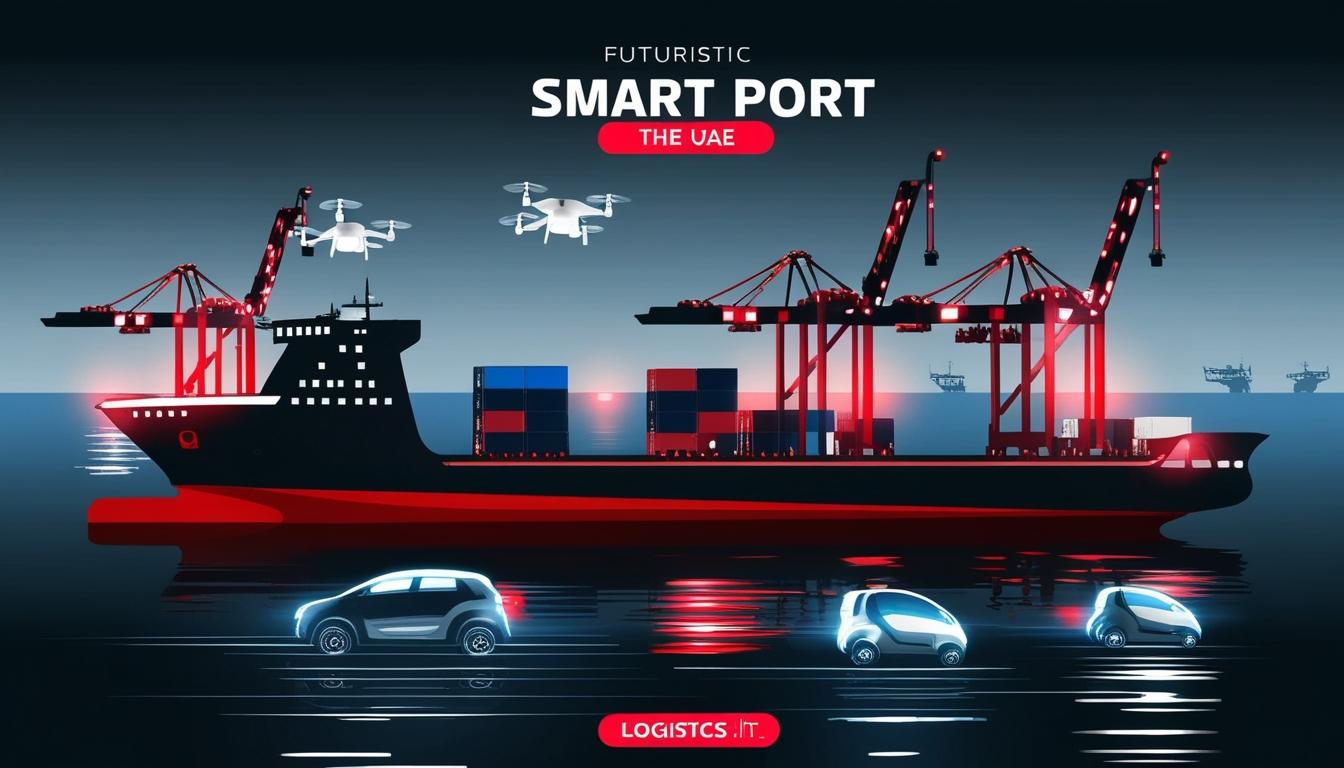
The United Arab Emirates (UAE) is actively reshaping supply chain logistics through its ambitious smart city initiatives, which integrate cutting-edge technology and infrastructure. This transformation is set against the backdrop of the UAE’s strategic position as a vital global trade hub, making it increasingly essential to innovate within logistics to address growing commercial demands.
Central to these initiatives is the incorporation of Internet of Things (IoT) technology and artificial intelligence (AI), which streamline processes and reduce costs while enhancing decision-making capabilities. By utilising real-time data tracking and blockchain technology for operational transparency, the UAE aims to modernise its logistics framework and set a benchmark for global supply chain enhancement.
The UAE’s advanced infrastructure includes smart ports and warehouses equipped with IoT systems that gather real-time data. These improvements significantly reduce operational delays and enhance inventory management and shipment tracking, resulting in quicker turnaround times. The trend towards IoT adoption in warehouse management supports the use of predictive analytics, allowing businesses to better anticipate demand and allocate resources efficiently.
As a key aspect of this transformation, real-time data is driving a fundamental shift in logistics decision-making within the UAE. Smart devices and sensors embedded across vehicles, containers, and warehouses continuously update stakeholders on the status of goods, significantly decreasing delays and operational costs. The use of predictive analytics further refines planning processes, ensuring effective resource allocation. This responsive logistics environment positions the UAE as a leader in adaptive supply chain management.
Blockchain technology is also being harnessed to bolster transparency and security in UAE’s supply chains. Immutable ledgers ensure the accuracy and integrity of transactions, with the application of blockchain at Dubai customs significantly improving documentation processes and reducing shipment processing times. This elimination of intermediaries accelerates international trade and enhances traceability, reinforcing the UAE’s role as an innovative leader in logistics.
In terms of sustainability, the UAE’s initiatives are focused on eco-friendly practices. The employment of green transportation options, such as electric and autonomous vehicles, is aimed at reducing carbon emissions during deliveries. Smart energy systems in warehouses are optimising power consumption, thereby curbing operational costs and environmental impact. The integration of technologies such as route optimization software is helping to drastically reduce fuel usage.
Collaborative logistics platforms are further enhancing supply chain operations by enabling efficient integration among various stakeholders including manufacturers, suppliers, and distributors. These platforms use advanced cloud-based systems to provide centralised access to real-time data, helping to streamline communication and reduce bottlenecks in logistics processes. As a result, coordination across cross-border operations is greatly improved.
The adoption of autonomous vehicles and drones is another significant development, transforming logistics by enhancing delivery efficiency. Self-driving trucks facilitate cost-effective freight transport, while drones provide solutions for swift last-mile deliveries, particularly in urban areas, circumventing traffic challenges and contributing to sustainability goals.
Artificial intelligence plays a crucial role in these logistics advancements, driving predictive and proactive solutions. AI analytics enable accurate demand forecasting that helps companies manage inventory and resources more effectively. Furthermore, machine learning allows for proactive maintenance of equipment, addressing potential disruptions before they occur. The automation of repetitive tasks, such as data analysis and scheduling, enhances operational productivity.
The UAE’s commitment to these technological innovations highlights its intention to set new standards in supply chain logistics, characterised by efficiency, cost savings, and environmental responsibility. As the country continues to pioneer such transformative technologies, it reaffirms its status as a global leader in trade logistics, prepared to meet the demands of tomorrow’s marketplace.
Source: Noah Wire Services