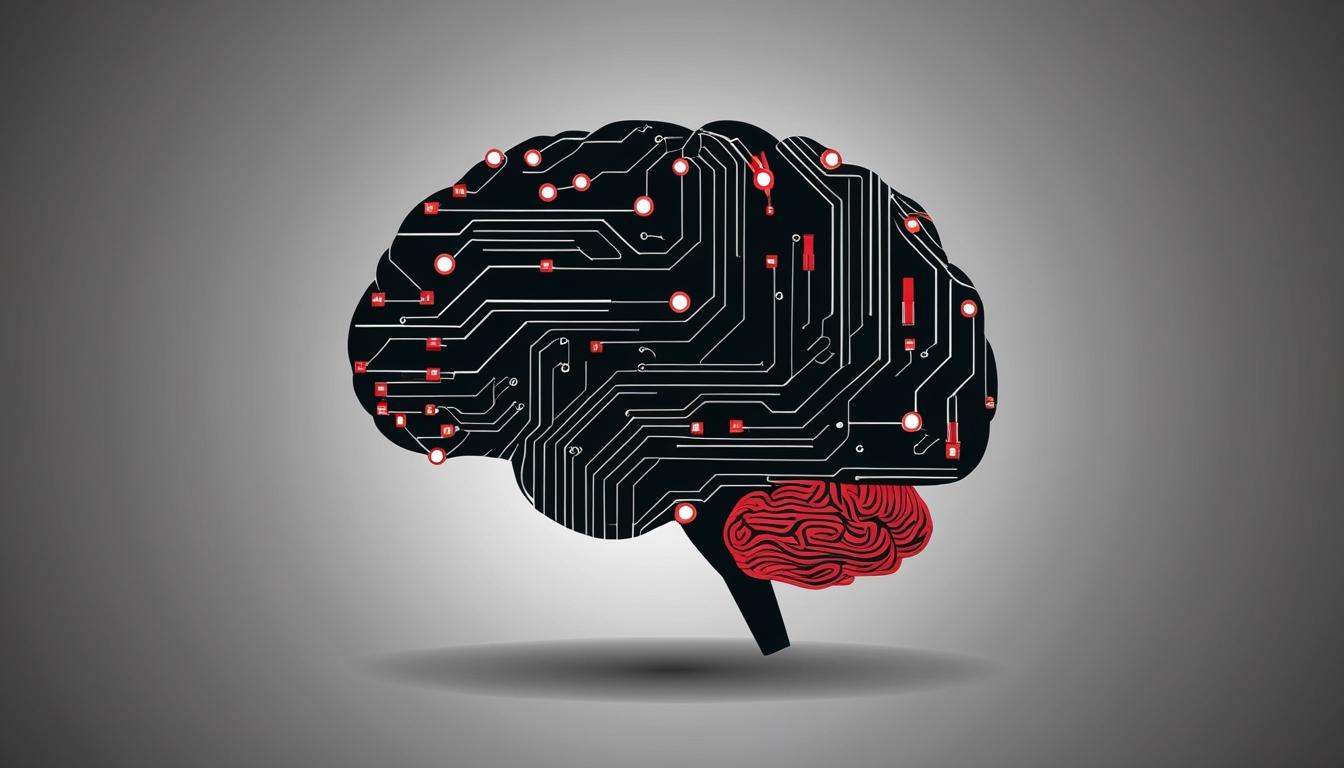
In a recent episode of the podcast Invisible Machines, hosted by Robb Wilson and Josh Tyson, the discussion centred on active inference, a groundbreaking approach that blends neuroscience with artificial intelligence (AI). The featured guest, Dr. Thomas Parr, a physician and researcher at the Nuffield Department of Clinical Neurosciences at the University of Oxford, articulated how this concept operates as an efficient mechanism where the brain continually reduces surprises by predicting future events based on prior experiences.
Dr. Parr elaborated on the free energy principle, which posits that our brains are constantly striving to bridge the divide between anticipated outcomes and actual experiences. This principle underlies the active inference model, which incorporates elements from various fields including physics, biology, and psychology. As the co-author of the book Active Inference: The Free Energy Principle in Mind, Brain, and Behavior, Dr. Parr has contributed significantly to the discourse surrounding how these interdisciplinary connections form the basis of behaviour and cognition.
During the podcast, Wilson expressed intrigue at the notion of the brain functioning as a “prediction machine,” suggesting a natural synergy between the workings of human cognition and the potential design of AI systems, particularly in the realm of conversational technologies. Dr. Parr's insights posited that harnessing the principles behind human predictive capabilities could pave the way for the development of advanced cognitive architectures in machines.
The dialogue ventured into the broader implications of utilising active inference in the AI field. This concept could influence not only machine learning algorithms but also how such systems engage with users, transforming the nature of interactions between humans and machines.
Listeners of this episode can expect a comprehensive exploration of how understanding human cognitive processes could drive the future evolution of AI technologies, inviting reflection on the intersection of neuroscience and technology. The discussion between Wilson and Dr. Parr illustrates a crucial point in ongoing research aimed at creating more sophisticated and human-like artificial intelligence systems.
Source: Noah Wire Services