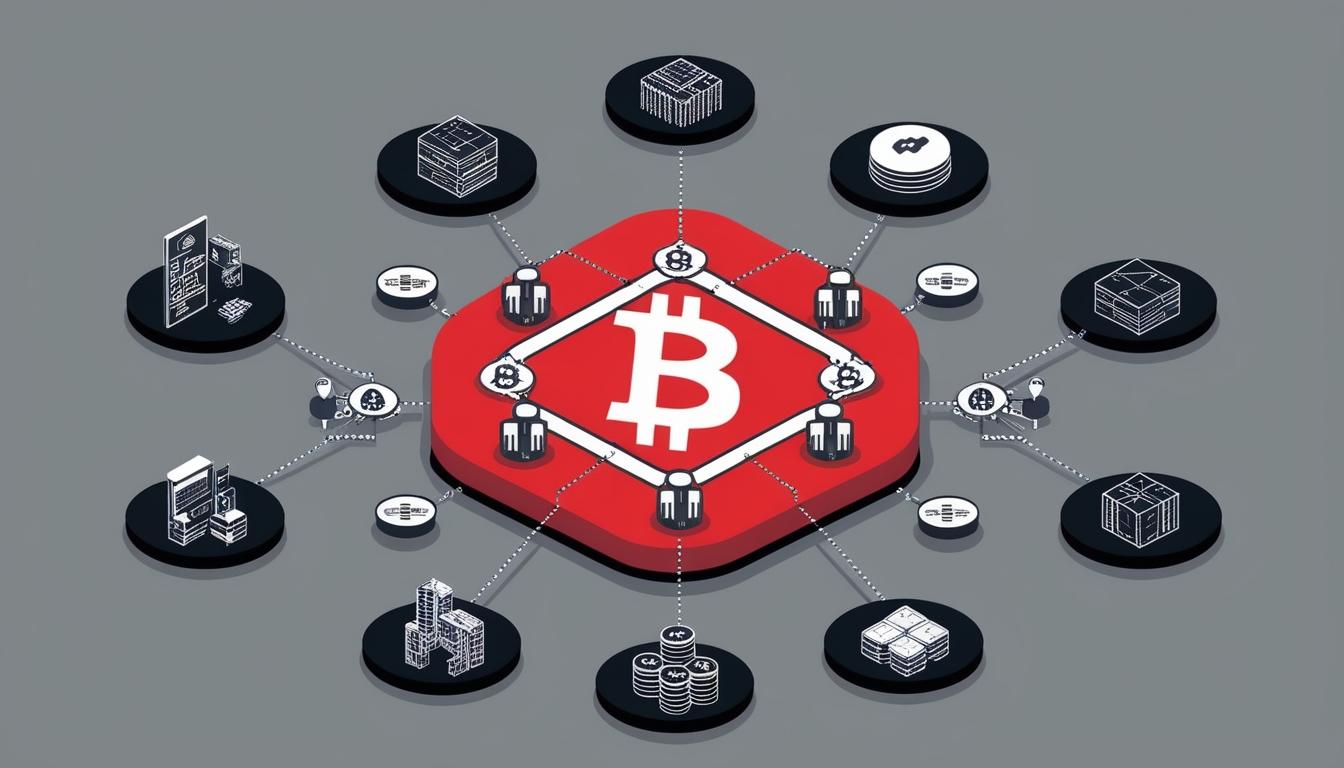
The ongoing evolution of blockchain technologies is significantly transforming various sectors of the economy, with profound implications for both businesses and consumers. As reported by TechBullion, different industries are harnessing blockchain's unique capabilities to improve systems ranging from finance to healthcare, and the timeline extends into future projections for 2025 and beyond.
In the finance sector, blockchain adoption has moved beyond the realm of cryptocurrencies. Decentralized finance (DeFi) platforms have matured, offering more accessible and secure financial services devoid of traditional intermediaries. Furthermore, conventional banks are increasingly integrating blockchain technologies to enhance the speed of cross-border transactions while simultaneously reducing fees and bolstering security measures. The report also highlights the rise of central bank digital currencies (CBDCs), with governments across the globe exploring ways to issue digital forms of their national currencies. This development signifies a dramatic shift in how financial transactions may be managed in the near future.
Blockchain also plays a crucial role in enhancing supply chain transparency. Various industries, notably agriculture, fashion, and electronics, are adopting this technology to ensure that the origins of products are traceable and visible. By utilising QR codes on packaging, consumers can now track the lifecycle of products from raw materials to finished forms. This transparency not only fosters ethical sourcing practices but also enhances consumer trust—especially in sectors that have historically battled counterfeiting issues.
In the healthcare domain, blockchain technology is addressing pressing concerns regarding data security. By 2025, the expectation is that blockchain-enabled health records will become common, granting patients unprecedented control over their personal data. The inherent immutability of blockchain ensures that medical records cannot be tampered with, while smart contracts improve the sharing of information among healthcare providers, thereby enhancing overall patient care. Additionally, the pharmaceutical industry is employing blockchain to counteract the distribution of counterfeit medications, thereby assuring medicine authenticity.
The real estate industry is also undergoing significant transformation through blockchain, which streamlines transactions and reduces potential fraud. As reported, by 2025, property transactions could be executed on blockchain platforms, effectively removing the necessity for intermediaries such as brokers and legal entities. Smart contracts further facilitate these transactions by automating the execution of agreements once set conditions are satisfied, resulting in faster and more secure property sales. Moreover, the concept of tokenization is emerging, allowing individuals to invest in fractional shares of properties, broadening access to real estate investments.
Additionally, the entertainment sector is utilising blockchain to protect intellectual property rights, helping creators ensure fair compensation. Artists and content creators are beginning to leverage blockchain platforms to publish their work, allowing direct monetisation of digital assets like art and music through non-fungible tokens (NFTs). By 2025, this trend is expected to strengthen, enabling creators to operate with less dependence on third-party intermediaries.
Lastly, blockchain is paving the way for decentralised energy grids, facilitating peer-to-peer energy trading where households can sell surplus renewable energy to their neighbours via blockchain-based systems. This paradigm encourages sustainable practices and optimises energy use. Furthermore, blockchain facilitates carbon credit trading, ensuring transparent transactions for businesses aiming to reduce their carbon impact.
Looking towards 2025 and beyond, the potential applications of blockchain are vast and varied. Analysts anticipate developments that could revolutionise voting systems and redefine educational credentials, although challenges such as regulatory compliance and scalability issues remain critical points of focus. The continuous advancements in blockchain could offer significant transformative effects across multiple sectors, fundamentally reshaping how businesses and consumers interact with technology.
As this landscape rapidly evolves, ongoing engagement with platforms such as Blockchain News will be essential for stakeholders aiming to remain informed and competitive in the changing market.
Source: Noah Wire Services