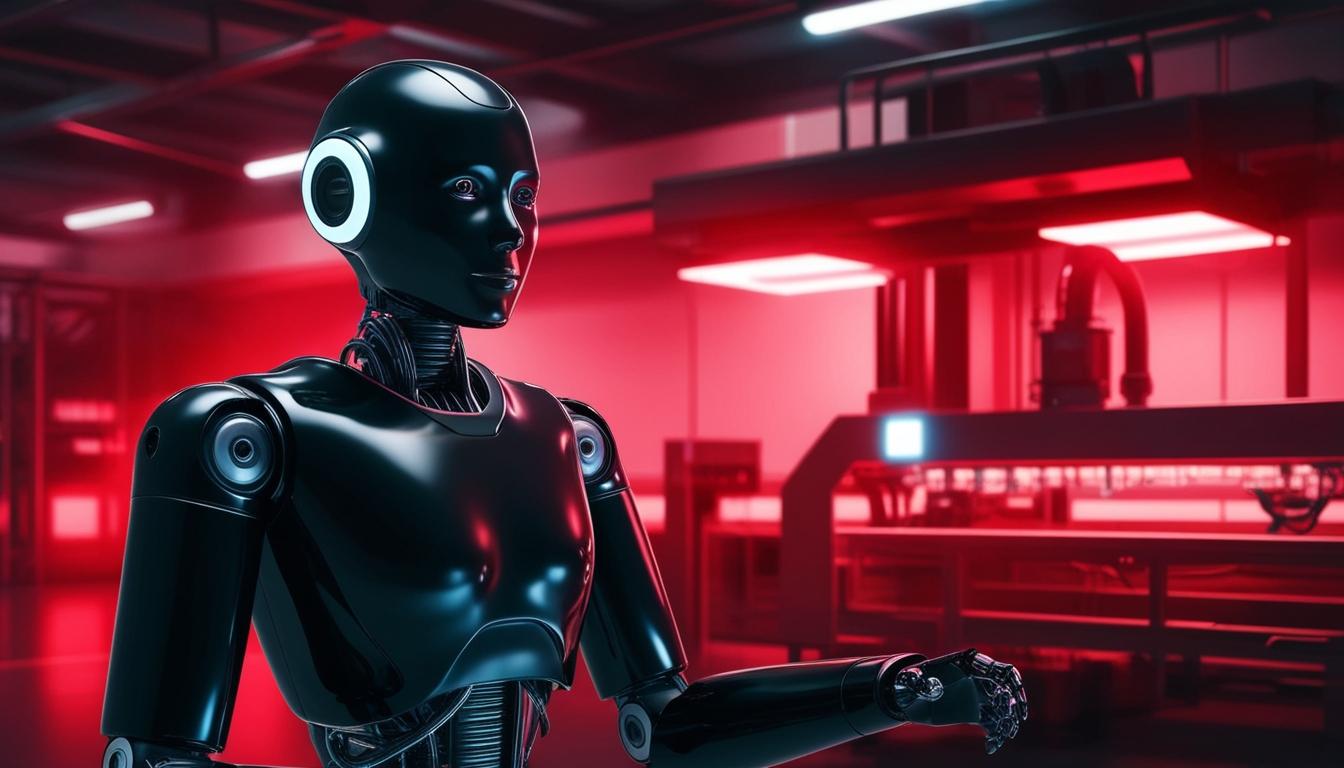
In 2024, the landscape of humanoid robots may undergo significant transformation, marking a newfound presence in everyday life and industrial settings. A combination of advancements in technology and an increasing interest from various companies has catalysed the proliferation of these robots, suggesting a paradigm shift in how industries might operate in the near future.
Historically, one of the significant limitations in developing humanoid robotics related to the lack of adequate computing power necessary for complex tasks such as walking and talking. However, as detailed by "Robotics & Automation News," these technical barriers have largely been dismantled thanks to considerable increases in processing capabilities. This surge in computing power allows humanoid robots to integrate sophisticated artificial intelligence algorithms and software gracefully, crucial for adapting to diverse operational needs.
Key developments, such as Nvidia's introduction of its specialised computing system for humanoid robots, Jetson Thor, underscore the emergence of a robust ecosystem for these machines. As processing power continues to advance, humanoids are increasingly capable of performing an array of tasks, including lifting and moving items in warehouses, as well as conducting automobile inspections.
The firm belief that humanoids are gradually moving from academic curiosities into practical applications is evidenced by several automotive giants, including BMW, which have begun trialing these robots in their manufacturing processes. The implications of this shift become particularly interesting considering the labour shortages currently affecting the manufacturing and logistics sectors. These robots are poised to plug gaps in the workforce, potentially displacing human roles while also addressing positions that remain unfilled.
Amidst these advancements, significant players in the humanoid robotics market are emerging. Tesla is working on the Optimus robot, designed for general-purpose tasks, with plans for limited production by 2025. Companies like Agility Robotics and Figure AI have also made strides, with the former deploying its Digit robot in logistics and fulfillment roles, while the latter’s Figure 02 is being tested in BMW facilities.
Hanson Robotics has garnered attention for its emotionally intelligent humanoids, including the notable Sophia, who even acquired citizenship in Saudi Arabia. In contrast, Chinese firms such as UBTech Robotics are producing the Walker S1 model, aimed at enhancing efficiency in manufacturing environments.
While international firms like Boston Dynamics are exploring advanced capabilities with robots like Atlas, designed for dynamic tasks, others like Apptronik and Unitree Robotics are developing their models intended for warehouse and domestic uses. This variety in applications illustrates the versatility and potential market for humanoid robots.
The financial implications of this growth cannot be overlooked, as estimates suggest that the global market for humanoid robots will leap from approximately $2 billion in 2024 to around $13.25 billion by 2029. Such projections highlight an accelerating interest in the field and suggest a fertile ground for businesses to explore automation further.
Furthermore, OpenAI, renowned for its chatbot technology, is also reconsidering its entry into the humanoid sector, drawn by the evolving landscape and burgeoning market opportunities. Similarly, major automotive players in China, including BYD and Li Auto, are signalling intentions to develop humanoid solutions.
As the industry continues to evolve, debates surrounding the implications of humanoid robots entering the workforce remain pertinent. Nonetheless, the trajectory of development indicates that these robots are likely to become an integral aspect of various sectors, transforming business practices and operations in the coming years.
Source: Noah Wire Services