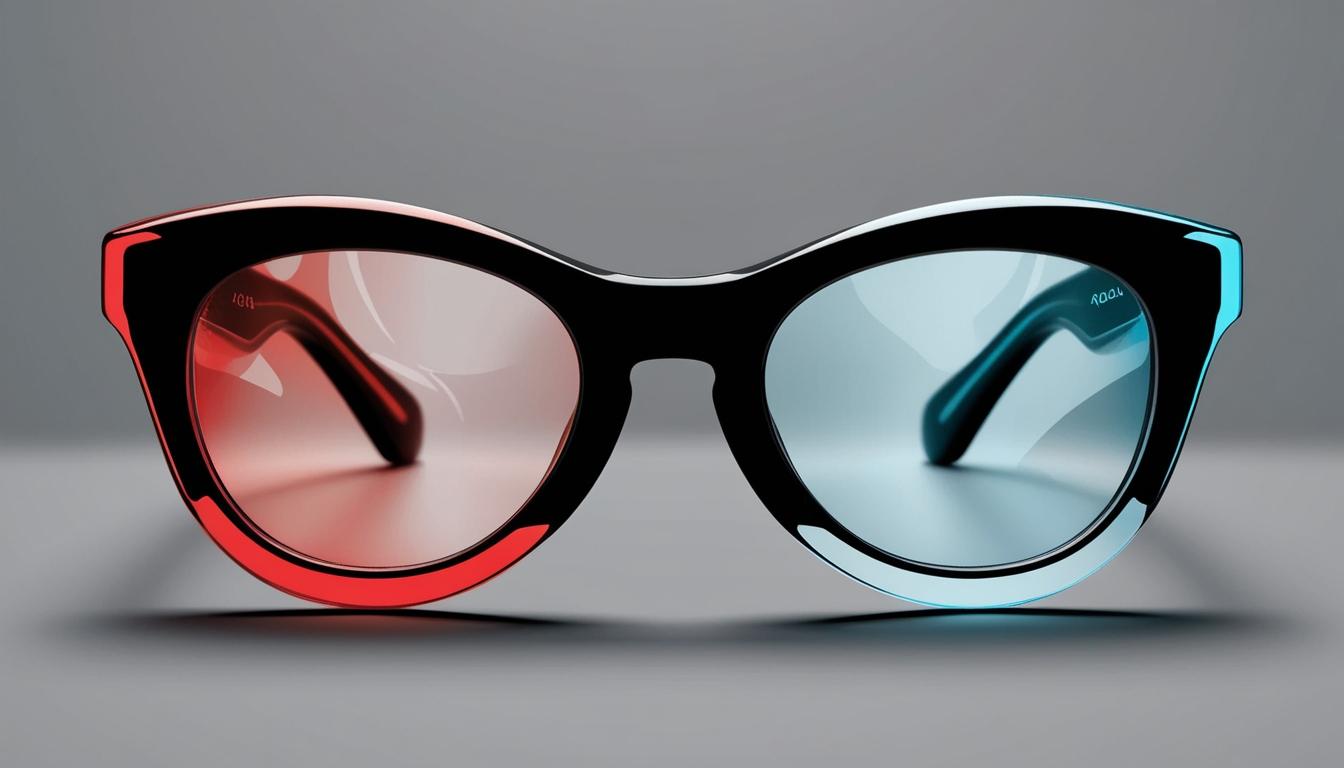
At the recent SILMO optical event held in Paris, Materialise unveiled its latest innovation in eyewear, the Aqua model, developed in collaboration with the Luxembourg-based company Impressio. The frames, which are characterised by a distinctive water-inspired silhouette and an opaque, acetate-like finish, were presented as a testament to the transformative potential of modern additive manufacturing (AM). This venture exemplifies what Materialise defines as a ‘movement of digital artisanship’.
Alireza Parandian, Head of Global Business Strategy for Wearables at Materialise, remarked on the dual nature of these frames. Speaking to TCT Magazine, he stated, “These are not only frames with special shapes and characteristics – they’re also just normal frames with better attributes for the economy and sustainability.” Over the past decade, the eyewear sector has increasingly integrated AM technologies, with Materialise partnering with brands like Hoet and Yuniku to enhance customisation possibilities and collaborating with luxury names such as Porsche and McLaren for exclusive collections. To date, the company has manufactured several hundred thousand frames for approximately 80 brands.
Materialise's approach to eyewear has evolved, focusing on developing processes and materials that yield products closely resembling traditional eyewear, while still benefiting from the advantages of digital supply chains and design capabilities inherent to AM. In discussing the collaborative process with Impressio, Parandian articulated the importance of mutual understanding: “It's about learning about each other's realities… we definitely come to the table with all kinds of limitations that it has and all kinds of opportunities that we can explore together.”
The Aqua model features a unique material that transitions from opaque to translucent, allowing for intricate reflections of light that highlight the frame’s curves and volumes. Guillaume Boisson, co-founder of the Impressio Collection, elaborated on the design inspiration, stating, “The volumetric design mimics the movement of water falling and bursting onto a surface.” This interplay of technology and creativity aims to set new design standards within the eyewear sector.
The design process involved significant experimentation, with the team evaluating around 50 different materials against benchmarks for mechanical stability, thermal performance, and compliance with medical regulations. Parandian commented on the engineering challenges associated with manufacturing such sculptural pieces, describing the importance of not merely accepting limitations but rather seeking solutions.
While AM technologies were employed to create a lightweight and seamless product, the utilisation of resin-based materials necessitated careful consideration of factors such as support removal and post-processing to achieve a retail-quality glossy finish. Parandian noted, “Software is the unsung hero of 3D printing… where personalisation and customisation is bringing so much added value that it can have transformational effect.”
With the Aqua frames taking centre stage at SILMO, Materialise is signalling its intent to further engage the industry and its commitment to innovation. Parandian articulated this vision, stating, “It's really important to give room and freedom to our partners to come up with ideas… we wanted to come and show what differentiating possibilities 3D printing can offer to the industry.” The collaboration underscores Materialise’s dedication to exploring the full potential of additive manufacturing technologies in reshaping business practices within the eyewear industry and beyond.
Source: Noah Wire Services