Pablo Larguia, the CEO of SenseiNode, has shared insights into the significant developments and future outlook for the blockchain and cryptocurrency landscape, particularly highlighting trends and expectations for 2024 and beyond. According to Larguia, the year 2024 has marked a pivotal moment for cryptocurrency adoption, particularly in Latin America, where Argentina has emerged as a notable driver in the sector. Residents have increasingly turned to stablecoins in response to local currency devaluation, underscoring the growing need for adequate infrastructure to support this uptick in blockchain usage.
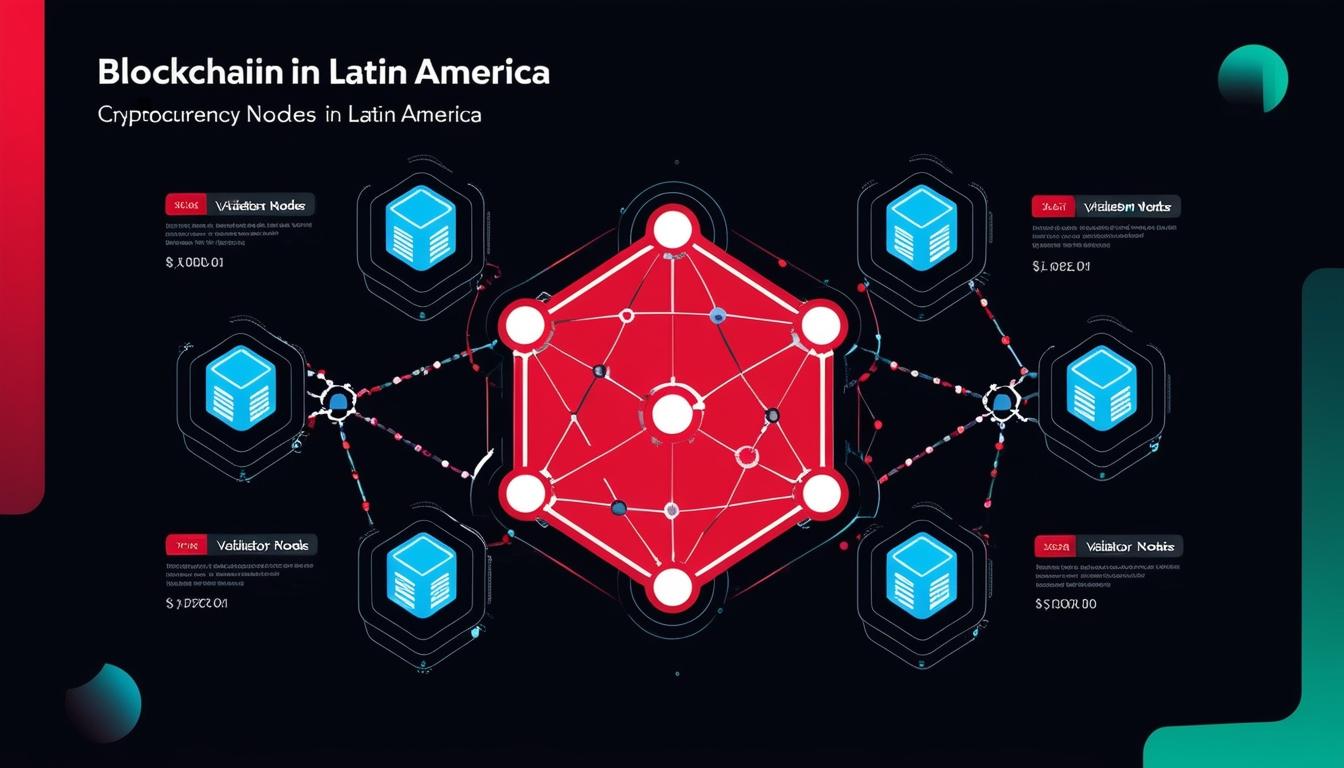
In response to this surging demand, Larguia outlined SenseiNode’s strategic focus on enhancing blockchain infrastructure. The company achieved a milestone by deploying over 9000 validator nodes across leading Proof-of-Stake protocols, including Ethereum, Polygon, and Solana. This deployment spans several countries in the region, including Argentina, Brazil, Chile, Colombia, and Mexico. Larguia emphasised that this expansion is crucial for improving the performance of the blockchain network across these historically under-served areas, thus supporting a thriving decentralized ecosystem.
As the industry evolves, Larguia pointed to several emerging trends that hold significant promise for the future. One key development is the accelerated rise of Bitcoin Layer 2 (L2) networks. These platforms are aimed at enhancing liquidity within the blockchain ecosystem, particularly by enabling Bitcoin holders to stake their assets. Additionally, L2s are creating opportunities for Ethereum smart contracts and decentralised applications (dApps), effectively integrating Bitcoin's security into a broader digital asset framework.
Furthermore, the need for increased cross-chain interoperability is becoming increasingly apparent, facilitating the movement of digital assets across various networks. Larguia cited platforms such as Espresso, Avail, and Wormhole as examples of this trend, which aims to prevent assets from being confined to individual chains and thereby promote greater decentralisation and resilience in the ecosystem.
Looking ahead to 2025, Larguia anticipates that the incoming pro-cryptocurrency stance of the Trump administration could significantly influence the blockchain landscape. He mentioned the potential authorisation of exchange-traded funds (ETFs) that would allow for staked tokens to be part of their underlying assets. If implemented, this development could potentially lead to a surge of staked tokens within established protocols, thereby enhancing staking adoption and furthering innovative investment opportunities.
In addition, Larguia is optimistic about the advancements in Bitcoin staking facilitated through various L2 networks, such as Botanix Labs's Spiderchain and SatLayer. These platforms may redefine Bitcoin's role within the blockchain ecosystem by enabling new operational use cases.
Moreover, he noted a rise in restaking practices on larger blockchain networks during 2024. This trend is projected to persist into the following year, necessitating that node networks adapt to support more intricate infrastructures and accommodate a continuously expanding blockchain ecosystem. Larguia's insights provide a glimpse into the dynamic shifts occurring within the cryptocurrency sector, as businesses navigate the intersections of emerging technologies, regulatory changes, and infrastructural demands.
Source: Noah Wire Services