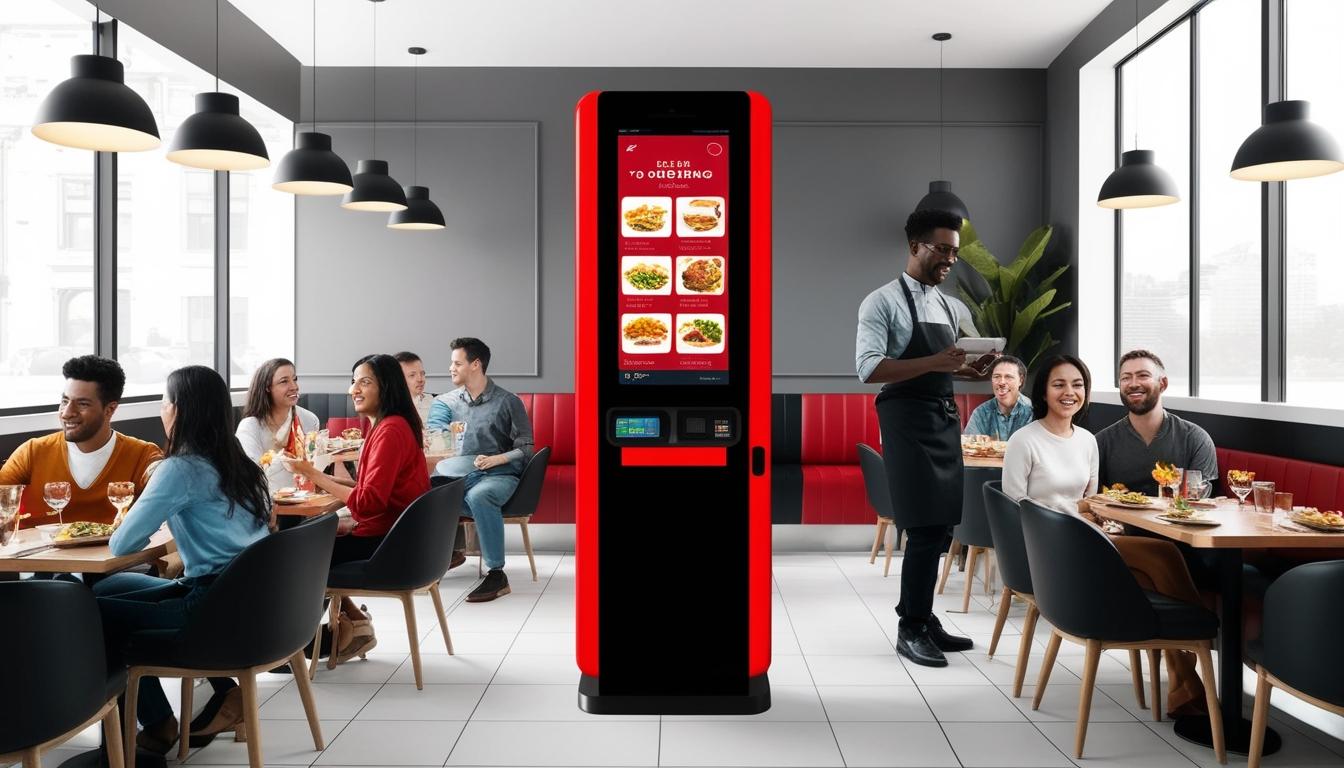
Self-ordering kiosks are increasingly being integrated into the operations of hotels and restaurants, marking a significant shift in how businesses interact with their customers. This trend, highlighted in a recent report by the London Daily News, underscores the dual benefits of improving customer experience and streamlining operational efficiency.
The kiosks enable customers to browse menus, customise their orders, and complete transactions through an intuitive touchscreen interface. This transformation facilitates faster service, reduces wait times, and minimises human error in the ordering process. The report notes that such technological advancements have become essential for modern dining establishments.
One of the most notable aspects of self-ordering kiosks is their capacity to enhance the average check size. Customers are encouraged to explore a wider range of menu options, aided by automated upsell suggestions and highlighted combo deals. The kiosks also enable easy access to additional add-ons, thereby increasing order value as patrons engage with the system.
In terms of efficiency, self-ordering kiosks eliminate delays associated with traditional order-taking methods. Orders are placed instantly via the kiosks, and multiple kiosks deployed throughout a restaurant significantly reduce queues. This means orders are processed quickly and sent directly to the kitchen, alleviating the delays often experienced during peak dining hours.
Furthermore, self-ordering kiosks contribute positively to order accuracy. Customers can confirm their selections directly on the kiosk, ensuring that any customisations are clearly communicated to the kitchen staff. This direct transmission of information reduces the potential for miscommunication and errors that can occur with staff taking orders manually.
The economic impact of integrating these kiosks is also noteworthy. With fewer staff needed for order-taking roles, businesses can considerably reduce labour costs. Staff can concentrate more on food preparation and customer service rather than handling orders, leading to improved operational focus and efficiency. The reduction in training requirements for new employees is another advantage highlighted in the coverage.
Moreover, the hygienic advantage of self-service ordering cannot be overlooked. Diminished physical interaction between staff and customers fosters a safer environment, particularly significant in today’s health-conscious climate. The ability for customers to order at their own pace adds an additional layer of comfort for patrons, while staff can attend to other aspects of their roles without the constant demand of taking orders.
The London Daily News report illustrates how self-ordering kiosks are more than just a passing trend; they are reshaping the landscape of dining and hospitality. By enhancing the customer experience through efficient, accurate, and hygienic ordering processes, these kiosks represent a forward-thinking approach for businesses looking to adapt to modern consumer expectations.
Source: Noah Wire Services