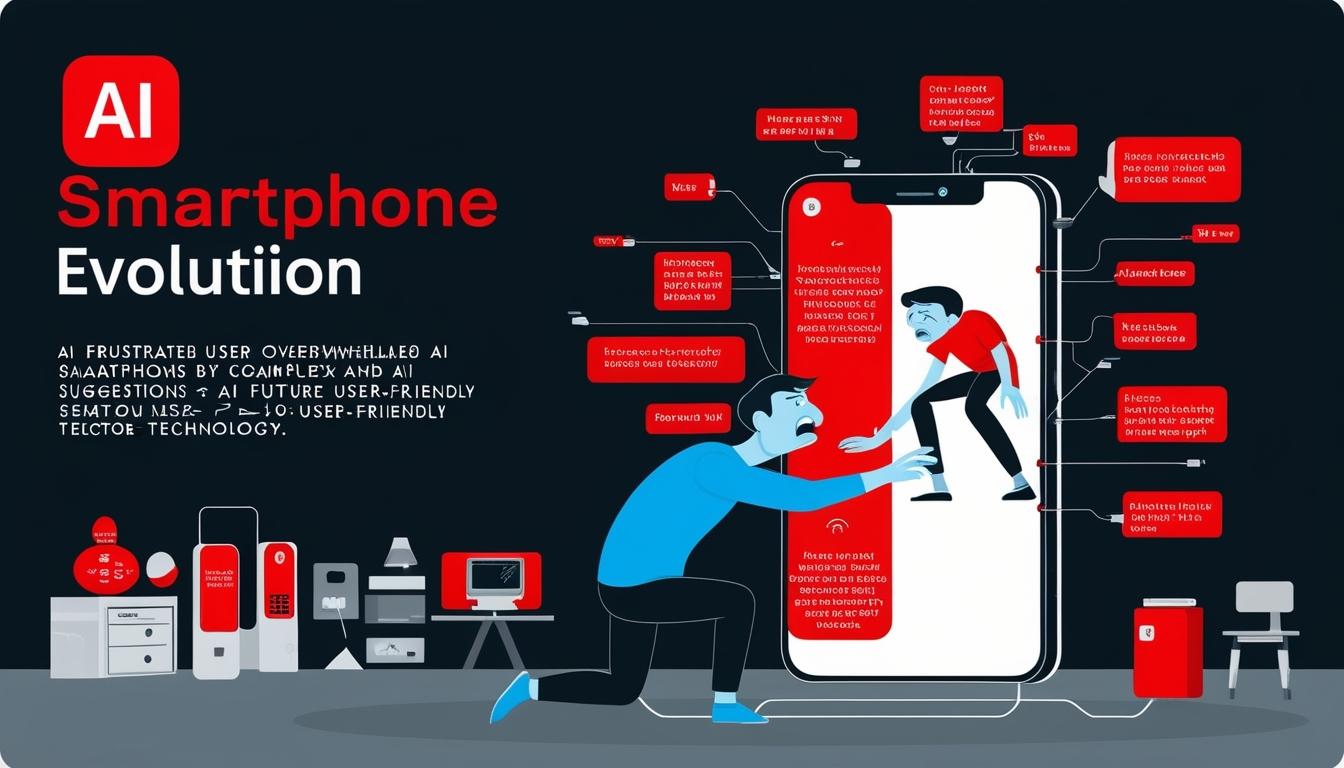
In recent discussions on artificial intelligence (AI) within the smartphone sector, there remains both optimism and criticism regarding the current capabilities and future potential of mobile AI technologies. As highlighted in a piece by Tech Radar, though AI continues to evolve behind the scenes, many users find the present offerings less beneficial and often problematic.
The article opens by noting a disconnect between advancements in AI technology and user experience. While AI computations enhance smartphone capabilities, particularly in areas like photography, many users feel overwhelmed by what they perceive as poorly integrated features. The author reflects on the current state of AI tools, describing them as “not finished products” but rather “tricks” that fail to solve significant problems for users.
The sentiment of frustration is palpable, with the article pointing out examples of AI functions that frustrate rather than assist. “I can’t write an email or text message without my AI assistant offering to help screw it up,” the author states, bringing attention to the unwelcome nature of certain AI suggestions. The piece goes further to suggest that existing tools, such as AI-backed image generators and search features, often yield disappointing results, generating images “rife with stereotypes” and returning “useless” results compared to the older, non-AI capabilities.
Looking toward the future, the author remains hopeful. They predict that smart glasses and other mobile technologies will heavily rely on AI and machine learning to improve user experience. This forward-looking view posits that as AI gradually resolves smartphone-related challenges, it may eventually become an indispensable feature of mobile devices. "When AI solves a smartphone problem, it will become valuable,” the article implies, suggesting that forthcoming developments could substantially enhance functionality.
A critical aspect discussed is the complexity of smartphone use. The article highlights the inherent difficulty in navigating the multitude of features available on modern smartphones, citing examples of common tasks that many users struggle to master. The anticipated shift towards AI agents—more capable and understanding than current virtual assistants like Siri or Bixby—could revolutionise the way users interact with their devices. Rather than needing to navigate settings or remember specific jargon related to various functions, users might simply voice their commands and allow AI to manage the complexities.
The author articulates a vision where future smartphones will transform user interaction fundamentally. Rather than utilising basic AI applications for occasional "parlor tricks," AI would serve as the primary interface, simplifying and enhancing the overall user experience. "Just tell the phone what you want, and don’t worry about the AI," they assert, indicating a significant shift in how users could engage with technology.
In conclusion, while the current landscape of AI in smartphones may not meet user expectations, the dialogue reflects a broader consensus that upcoming advancements hold the potential to integrate AI more seamlessly into daily mobile use. As companies like Qualcomm develop more efficient AI systems, the prospect of a user-friendly, AI-driven smartphone interface becomes increasingly tangible. This evolution could pave the way for smartphones that not only retain their advanced capabilities but also enhance convenience and ease of use for consumers in the near future.
Source: Noah Wire Services