In an era marked by rapid technological advancements and shifts in consumer expectations, businesses are navigating an evolving landscape shaped predominantly by artificial intelligence (AI), immersive technologies, sustainability practices, and emerging digital marketing strategies. As industries prepare for the future, projections suggest profound changes that could redefine operational practices, consumer interactions, and marketing approaches.
AI is becoming a significant driver in the realms of marketing and business automation. Experts predict that by 2025, artificial intelligence will not only serve as a tool for automation but will also play a critical role in personalisation and predictive analytics across marketing strategies. Current applications of AI include customer segmentation, content generation, and chatbot technologies, all of which enhance interactions between brands and their consumers. The article by Rosanlal Behera in Adgully points out that increases in AI capabilities would lead to hyper-personalised experiences, establishing stronger connections through more targeted messaging.
Furthermore, the integration of programmatic platforms allows advertisers to fine-tune their targeting efforts with precise audience segmentation. The shift towards AI-driven marketing solutions aims to create highly relevant messaging that resonates with individual consumer preferences, thus improving campaign effectiveness.
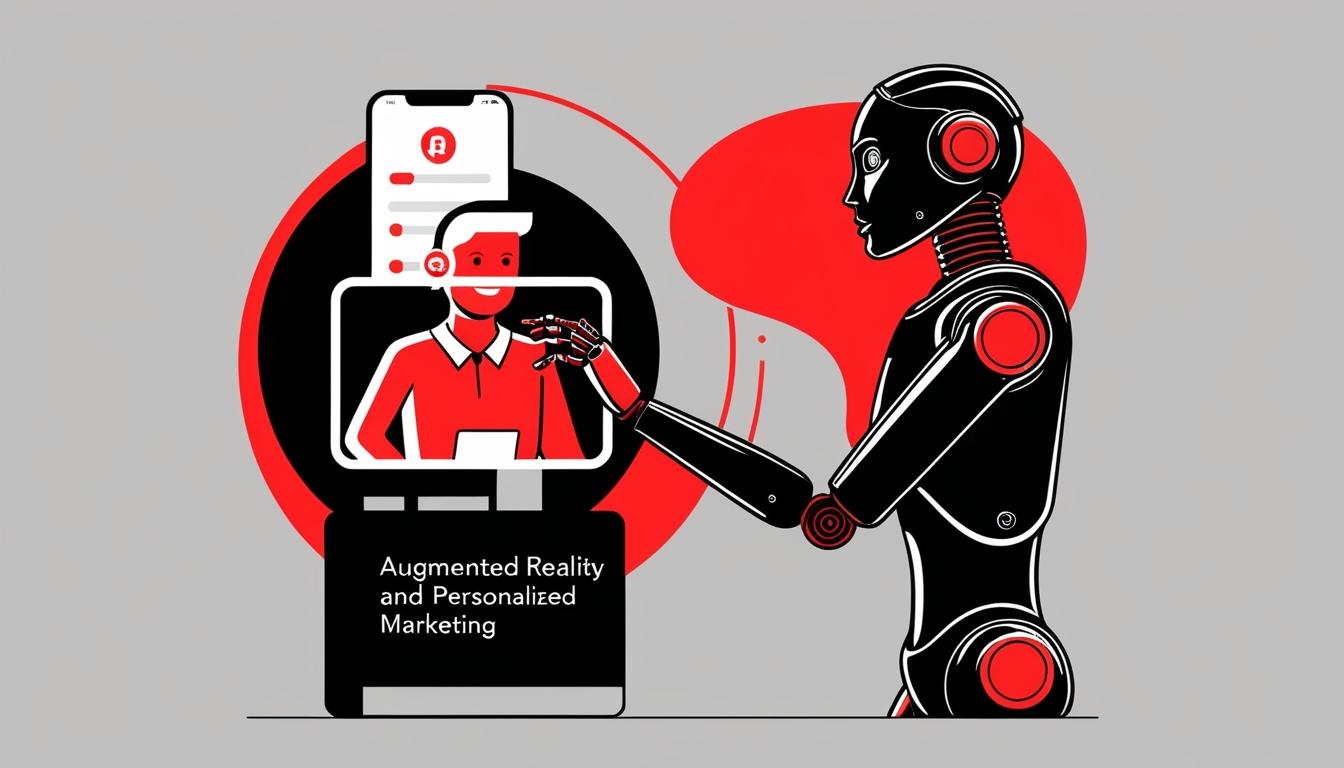
Emerging technologies like Augmented Reality (AR) and Virtual Reality (VR) are also set to revolutionize customer engagement. Retailers are presently utilising AR to provide consumers with immersive experiences, allowing them to visualise products within their own spaces prior to purchase. As these technologies further integrate into the consumer journey by 2025, interactive applications and product demonstrations are expected to flourish, leading to increased customer engagement and improved conversion rates.
Alongside these technological trends, sustainability remains a pivotal area of focus for both consumers and brands. Ethical marketing practices tied to sustainability are projected to form a cornerstone of marketing strategies moving forward. As consumers become increasingly environmentally conscious, brands that transparently articulate their sourcing and production practices are likely to gain a competitive edge.
The emphasis on data privacy and security is also evolving in the wake of stringent regulations like GDPR and CCPA. Marketers are urged to adopt transparent practices in data acquisition and usage, with a shift towards first-party data collection expected to become integral to fostering long-term consumer trust and relationships.
Another significant development on the horizon is the rise of Connected TV (CTV) and Over-the-Top (OTT) advertising, exposing brands to new avenues for targeted consumer engagement. With the migration from traditional television to streaming platforms, advertisers can now leverage data-driven advertising strategies to maximise their return on investment.
Meanwhile, the field of robotics is set for a significant overhaul, thanks to companies like Nvidia, which is venturing into humanoid robotics. Nvidia's familiarity with AI and graphics processing positions it to potentially reform industries, most notably in manufacturing and healthcare, by creating robots equipped to perform complex tasks with great efficiency.
The convergence of robotics and AI, alongside advancements in quantum computing and 6G networks, suggests a future characterised by enhanced efficiency and deeper integration of automated technologies into everyday life. As industries continue to strive for efficiency and profitability, the increasing capabilities of AI and robotics will undoubtedly facilitate this growth.
In addition to traditional marketing strategies, the rise of influencer culture on social media platforms signifies a shift in how brands communicate with consumers. With a growing number of influencers globally, brands are learning to harness the power of these content creators to connect with niche audiences. This influencer economy not only exemplifies the changing dynamics of consumer interaction but also highlights the need for brands to navigate the complexities of power distribution within social media ecosystems.
While the future of digital marketing and automation presents an array of opportunities, it simultaneously poses challenges regarding power imbalances, regulatory concerns, and the ethical implications of technology use. The landscape ahead promises a transformative period shaped by numerous interrelated trends, beckoning businesses that embrace these changes to adapt in pursuit of success in an increasingly digital world.
Source: Noah Wire Services